
A little light on the numbers: Medicare does cover the shingles vaccine most people mean, Shingrix. The tricky part is which part of Medicare pays, and where you get the shot. Those two details are what decide whether you pay nothing at the counter or get surprised by a bill later.
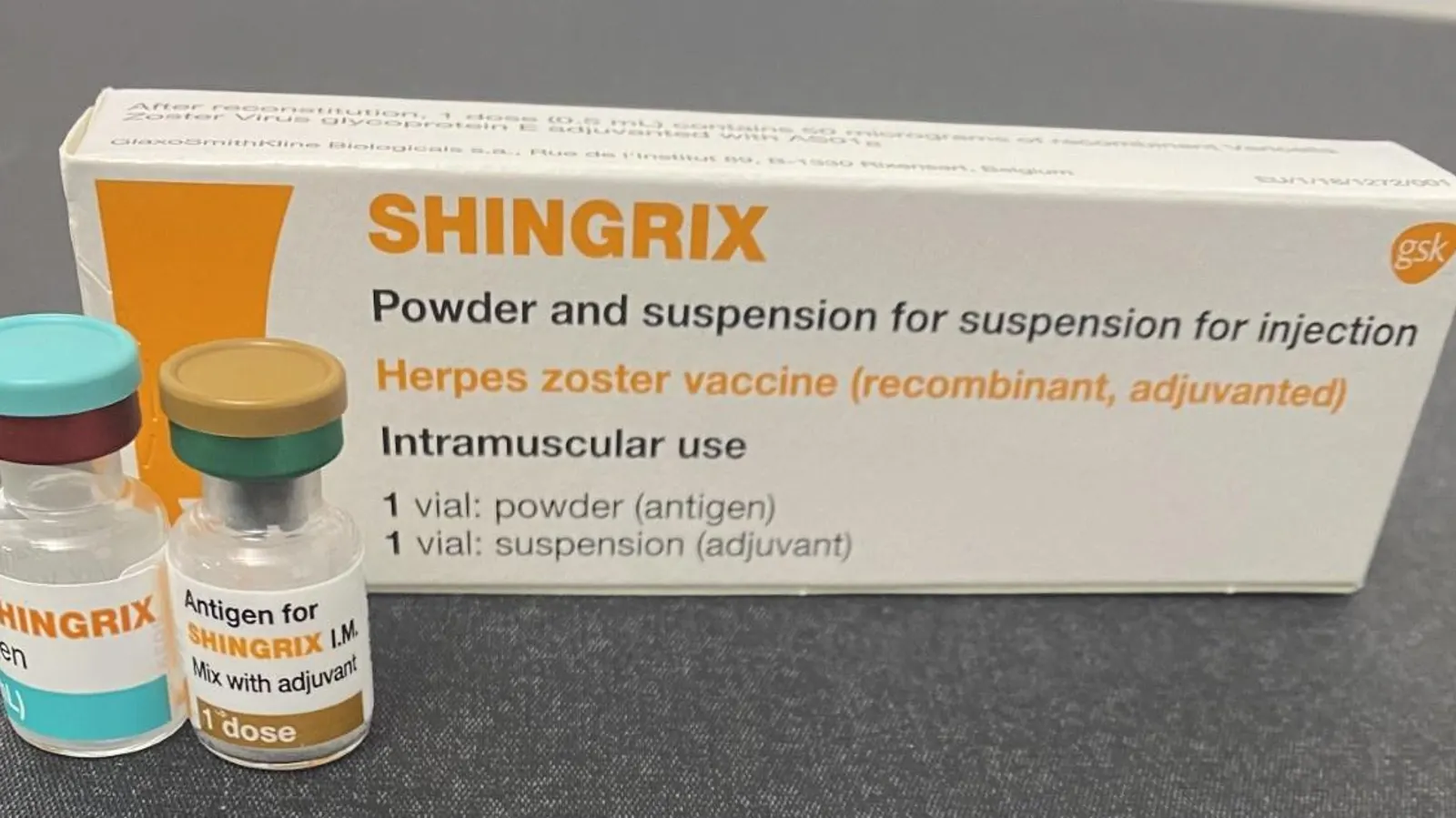
Shingrix is covered under Medicare Part D
If you have Medicare and you are trying to prevent shingles, the vaccine you will almost always hear about is Shingrix, the recombinant shingles vaccine.
Here is the key coverage point:
- Original Medicare Part B generally does not pay for Shingrix. Part B is focused on doctor services and certain preventive services and vaccines in specific situations.
- Medicare Part D covers Shingrix. Part D is the prescription drug benefit. That includes many vaccines you typically get at a pharmacy.
- Medicare Advantage (Part C) plans still follow the same idea. Even though you use one plan card, vaccines like Shingrix are usually handled through the plan’s Part D drug coverage rules.
So if you are asking “Is Shingrix covered by Medicare?”, the practical answer is: yes, through Part D, which means your coverage is tied to your drug plan or your Medicare Advantage plan with drug coverage.
If you have Original Medicare only and no Part D plan, you generally will not have coverage for Shingrix until you enroll in a Part D plan or a Medicare Advantage plan that includes drug coverage.
$0 cost-sharing: why the pharmacy is easiest
When Part D covers a vaccine like Shingrix, it is often easiest to get it at a pharmacy that bills your Part D plan directly. That is where $0 cost-sharing usually shows up clearly at checkout.
One important clarification: Part D plans must cover ACIP-recommended vaccines with no cost-sharing, which includes Shingrix. In real life, people still sometimes get quoted a price because the pharmacy is out of network or the claim is not processed correctly.
In plain English, the smooth path looks like this:
- You go to an in-network pharmacy.
- The pharmacy runs the claim through your Part D coverage.
- When it is processed properly, your out-of-pocket cost at the pharmacy counter should be $0.
That “at the counter” detail matters. When the pharmacy can process the vaccine as a Part D benefit in real time, you are much less likely to be stuck paying up front and chasing reimbursement.
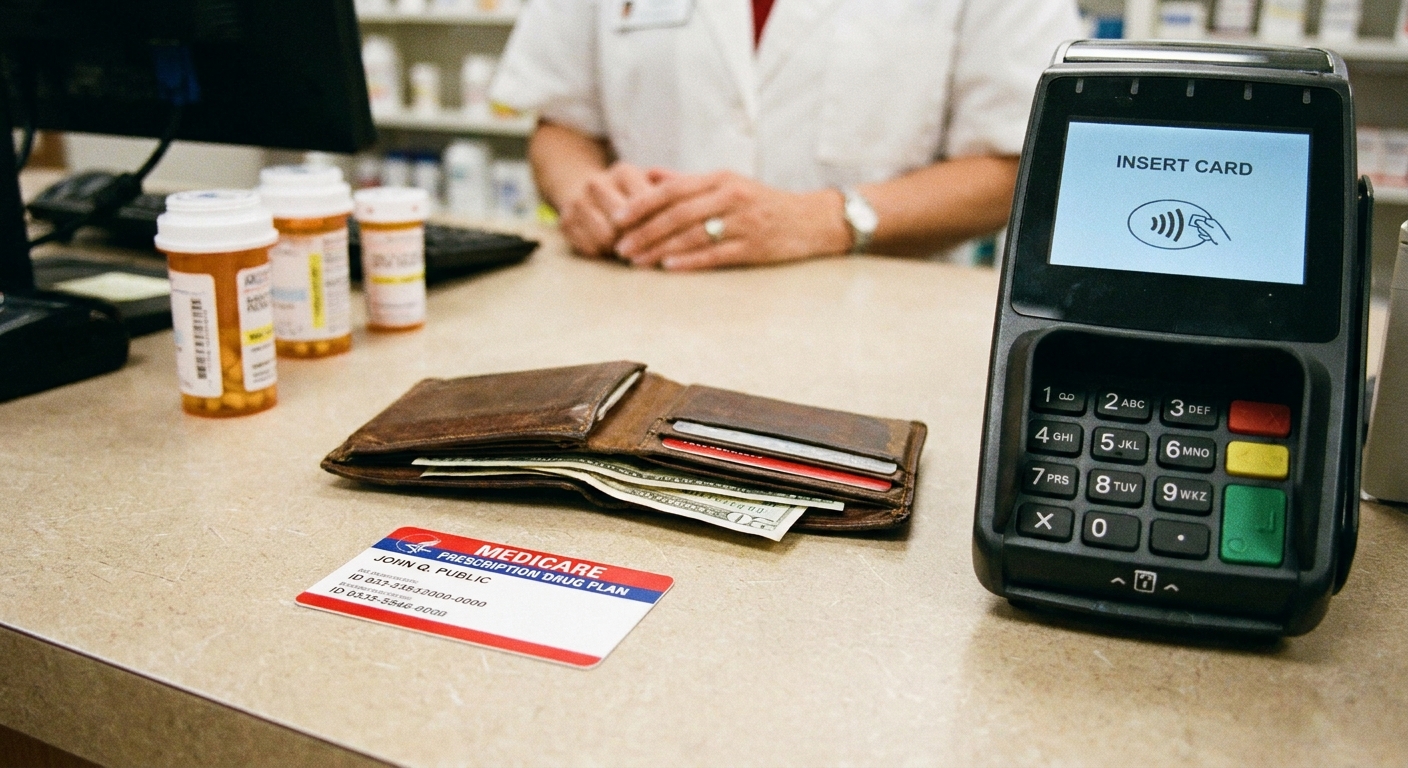
Two reasons you might see a price anyway
- The pharmacy is out of network. Out-of-network claims can price differently or require you to pay and submit paperwork.
- The claim is processed incorrectly. A system issue, missing information, or the vaccine getting run the wrong way can cause the transaction to price incorrectly.
If you get a price that does not look right, ask the pharmacist to confirm they are billing your Part D plan for a covered vaccine, and confirm the pharmacy is in network for your plan.
Doctor’s office: where billing gets messy
Many people assume “If my doctor gives me the shot, Medicare will cover it the same way.” With shingles vaccine coverage, that assumption can cause the biggest headaches.
Because Shingrix is a Part D vaccine, a doctor’s office has to handle it more like a drug benefit than a typical Part B office service. When an office cannot bill Part D cleanly, you may be asked to pay up front, or you may see a separate administration fee on a statement that makes it look like you owe money.
To be clear: when Shingrix is covered and billed correctly under Part D, cost-sharing should be $0. The problem is usually how it was billed, not whether it is covered.
What this can look like in real life:
- Your Part D plan covers the vaccine product.
- The office charges for administration (the “we gave the shot” charge).
- If the office is out of network for your drug plan or cannot submit the Part D claim properly, you might be asked to pay and then seek reimbursement.
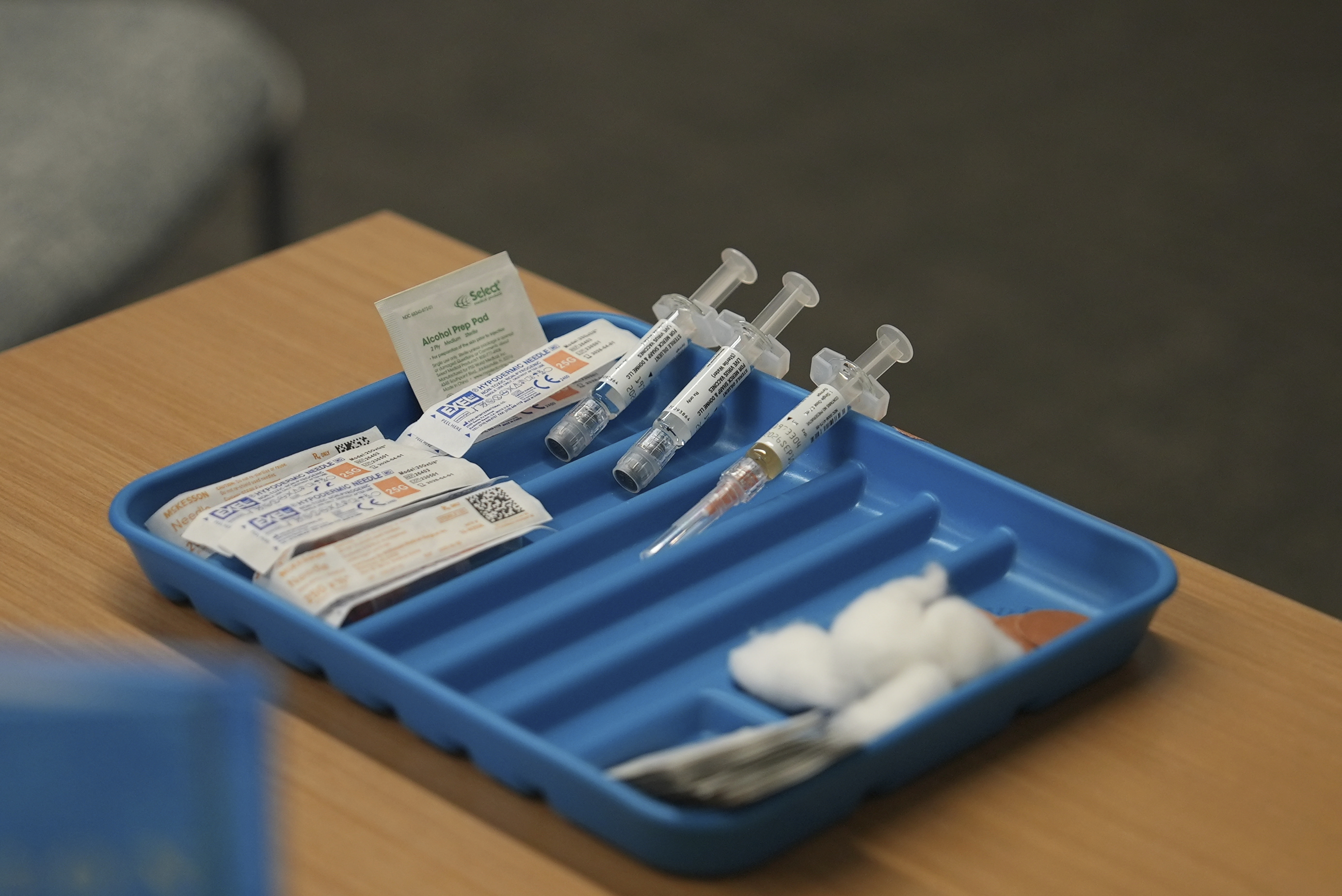
Why this happens
Part D is built around pharmacy-style billing. Pharmacies routinely submit both the vaccine and the act of administering it as part of one vaccine claim. Many medical offices are set up primarily for Part B style billing, so the mechanics can get messy. That is when you may see charges that are not priced the way you expected.
How to avoid surprise costs
If your goal is “Get vaccinated with the least hassle and the smallest bill,” these steps usually help.
- Start by calling your Part D plan (or your Medicare Advantage plan’s drug coverage line) and ask: “Is Shingrix covered at an in-network pharmacy, and will my cost be $0?”
- Confirm the pharmacy is in network for your drug plan before you go.
- Ask whether an appointment is needed and whether the pharmacy can administer Shingrix on site.
- If you prefer a doctor’s office, ask the office staff two separate questions: “Can you bill Shingrix through my Part D plan?” and “If I get billed up front, how do I submit it to my Part D plan for reimbursement?”
Also, remember Shingrix is given as a two-dose series. The typical timing is 2 to 6 months between doses. Some people with certain immune system issues may be told to get the second dose sooner (for example, 1 to 2 months), based on clinician guidance.
When you confirm coverage, ask about both doses so you are not redoing the homework later.

If you paid out of pocket
If you already paid for Shingrix because the pharmacy or doctor’s office could not bill your Part D plan, you may be able to submit a reimbursement request to your plan. Many plans handle this through a Direct Member Reimbursement (DMR) form or process. Call the number on your Part D card and ask exactly what they need (usually a receipt and details about the vaccine).
FAQ
Is the shingles vaccine free with Medicare?
It should be $0 out of pocket when it is covered through your Part D plan and billed correctly, most commonly at an in-network pharmacy. If you get quoted a price, it is often a network or claim-processing issue.
Why doesn’t Medicare Part B cover Shingrix?
Because Shingrix is generally handled as a prescription drug benefit vaccine, which falls under Part D rather than Part B’s medical benefit.
If I have Medicare Advantage, do I use my plan card at the pharmacy?
Often, yes. Medicare Advantage plans that include drug coverage typically process Shingrix through the plan’s Part D component, even though you may have one combined ID card. The pharmacy can tell you what information they need to run the claim correctly.
What if the pharmacy tries to charge me a lot for Shingrix?
First, confirm the pharmacy is in network for your plan and that they are billing it as a Part D vaccine. If it still prices high, call your plan while you are there and ask the representative to review the claim setup with the pharmacist.
The takeaway
Medicare coverage for the shingles vaccine is real, but it is routed through Part D. When Shingrix is given and billed at an in-network pharmacy, it is usually the cleanest path to $0 out of pocket. If you get the shot in a doctor’s office, ask ahead how they will bill it through Part D, because the biggest “surprise bill” stories come from billing and network friction, not from the vaccine being excluded.