
If you are planning a trip outside the U.S., the question is simple and a little stressful: if something happens, will Medicare pay?
In most cases, Original Medicare (Part A and Part B) does not cover routine medical care outside the United States. There are a few narrow exceptions, and then there are add-ons like a Medigap foreign travel emergency benefit or a Medicare Advantage plan feature that might help. The tricky part is that these three things are not the same, and people mix them up all the time.

The quick answer
Medicare usually does not cover care outside the United States. Original Medicare coverage abroad is limited to a few specific situations. If you want help paying for emergency care overseas, you typically look at:
- Medigap: some plans include a foreign travel emergency benefit with strict limits.
- Medicare Advantage (Part C): some plans include global emergency or urgent coverage as an extra plan benefit, and the details vary widely.
- Separate travel medical insurance: often the cleanest way to cover gaps, especially for longer trips, cruises, or higher-risk travel.
Even if you have Medigap or Medicare Advantage, you can still have big gaps (like evacuation or non-emergency care). So I treat “Do I need travel insurance?” as a real question, not a formality.
What “outside the U.S.” means
For Medicare, “outside the United States” generally means care received outside the 50 states, Washington, D.C., Puerto Rico, the U.S. Virgin Islands, Guam, the Northern Mariana Islands, and American Samoa.
If you are traveling in a foreign country, even a short hop across the border, assume Medicare will not pay unless you fit one of the narrow exceptions below.
One extra wrinkle: ships have their own rules. A ship can be physically near the U.S. and still create coverage confusion. I cover the practical rule of thumb in the cruise section below.
Original Medicare exceptions
Original Medicare is designed primarily for care provided in the U.S. That said, Medicare can cover certain services in a foreign hospital in limited situations. The most common exceptions fall into a few buckets.
1) An emergency in the U.S., but the foreign hospital is closer
If you are in the United States and have a medical emergency, Medicare may cover Medicare-covered services you get in a foreign hospital if that hospital is closer than the nearest U.S. hospital that can treat you.
Think: you are near the Canadian or Mexican border, and the closest appropriate emergency facility is across the border.
2) Traveling through Canada between Alaska and another U.S. state
Medicare may cover medically necessary hospital and doctor services in Canada if you are traveling without unreasonable delay by the most direct route between Alaska and another U.S. state and you have an emergency.
In real life, this is a very specific scenario. A leisure stopover can complicate things, so if this is your situation, it is worth calling Medicare ahead of time to understand how they view your route.
3) You live in the U.S. and a foreign hospital is closer
If you live in the U.S. and the closest hospital that can treat you is outside the country, Medicare may cover Medicare-covered services you receive at that foreign hospital.
Important: even when Medicare covers it, the usual rules apply
If an exception applies, Medicare generally treats the care similarly to covered care in the U.S. That means:
- Part A rules apply for inpatient hospital coverage.
- Part B rules apply for physician and outpatient services.
- You may still owe deductibles and coinsurance, plus any amounts Medicare does not reimburse.
- In practice, foreign providers often do not bill Medicare directly. You may need to pay up front and submit paperwork for reimbursement.
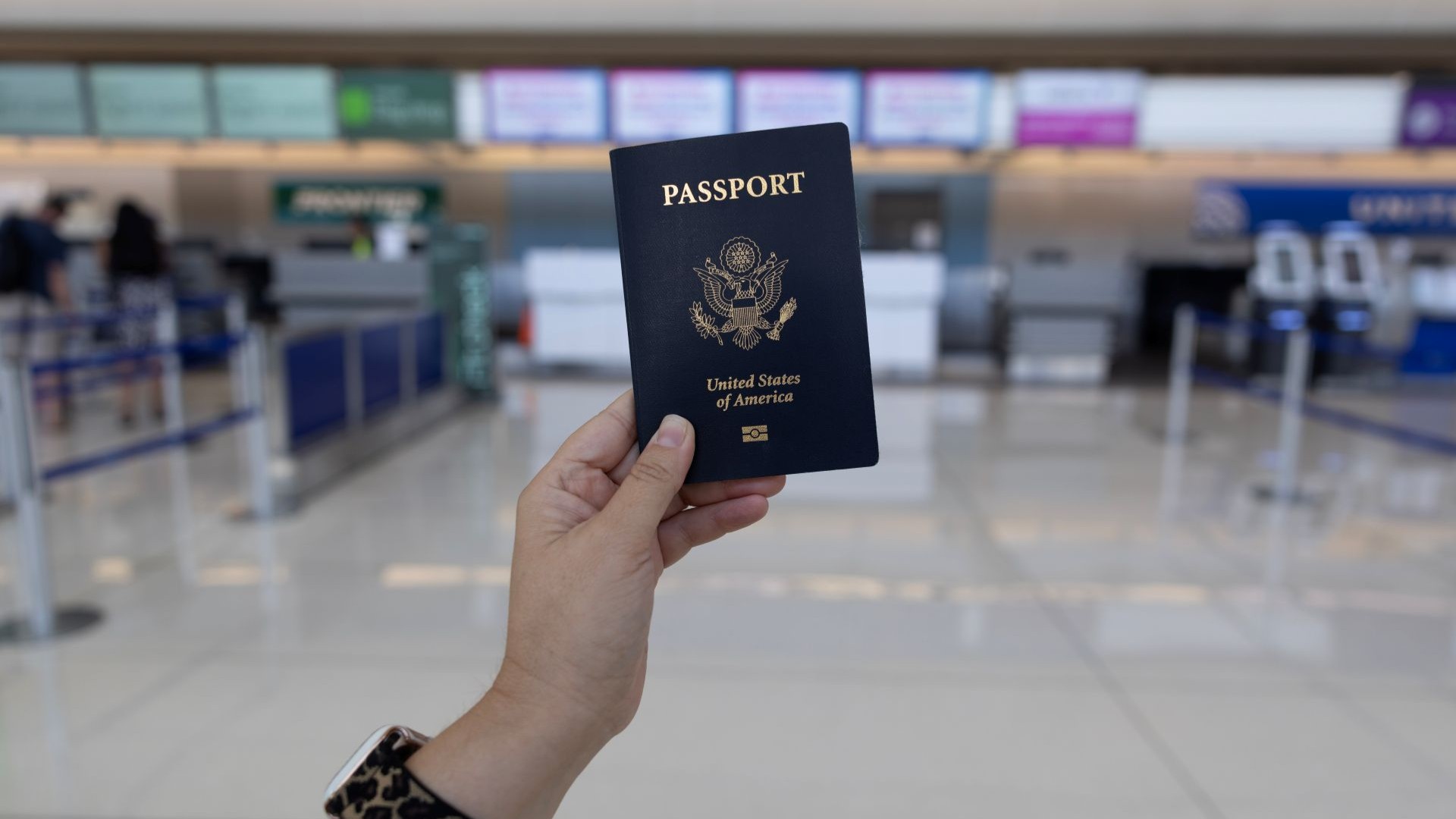
Bottom line: Original Medicare exceptions are real, but they are limited. They are not designed to cover a typical vacation in Europe, a cruise stop in the Caribbean, or a multi-week visit to family overseas.
Medigap travel emergency benefit
Many people hear “Medigap helps abroad” and assume it works like a global version of Medicare. It does not. When a Medigap plan includes a foreign travel emergency benefit, it is a small safety net with rules.
First, not every Medigap plan has it
This benefit is included in certain standardized Medigap letter plans (commonly Plans C, D, F, G, M, and N in most states). Other plans do not include it, so it is important to confirm your letter plan and read your policy language.
How it commonly works
For standardized Medigap plans that include foreign travel emergency coverage, the structure often looks like this (confirm your policy and state rules):
- It applies to medically necessary emergency care during the first 60 days of a trip outside the U.S.
- You pay a $250 deductible.
- After that, the plan typically pays 80 percent of eligible billed charges.
- There is usually a $50,000 lifetime maximum for this foreign travel emergency benefit.
What it often does not cover
This is the part that can surprise people. The foreign travel emergency benefit typically does not function like comprehensive travel insurance. Depending on the circumstances, you may not have coverage for:
- Routine care overseas (checkups, ongoing treatment, non-urgent visits).
- Care after the time window (often after 60 days abroad).
- Medical evacuation back to the U.S. or to a different hospital.
- Trip interruption costs, lodging for a companion, or flight changes.
- Prescriptions filled abroad (Medigap is tied to Original Medicare, and Part D rules are separate).
Why the paperwork can feel different overseas
Many foreign providers will expect payment at the time of service. That means you may have to pay out of pocket, then file a claim with your Medigap insurer later. Keeping clean documentation matters.

My practical takeaway: If you are relying on Medigap for overseas emergencies, treat it like a limited reimbursement benefit, not a full travel medical plan. Before you leave, call your Medigap company and ask exactly what documentation they require for a foreign claim and what the current deductible and lifetime maximum are under your policy.
Medicare Advantage travel benefits
Medicare Advantage (Part C) plans must cover emergency and urgent care in the U.S. (even when you are out of network). But outside the U.S., any international emergency coverage is generally a plan feature, not a standard Medicare guarantee.
What that means in plain English
- Two Medicare Advantage plans can both be “good plans” and have completely different coverage rules for international travel.
- The plan’s Evidence of Coverage will spell out what counts as emergency or urgently needed care abroad, how claims work, and whether there are dollar limits.
- You still have to follow the plan’s rules for notifying the plan, submitting claims, and documenting the emergency.
Why you should not assume you are covered
I have seen people assume Medicare Advantage works like employer insurance with broad travel protections. Sometimes it does offer helpful emergency coverage overseas, but sometimes the benefit is limited, has caps, or requires reimbursement paperwork that can be slow.
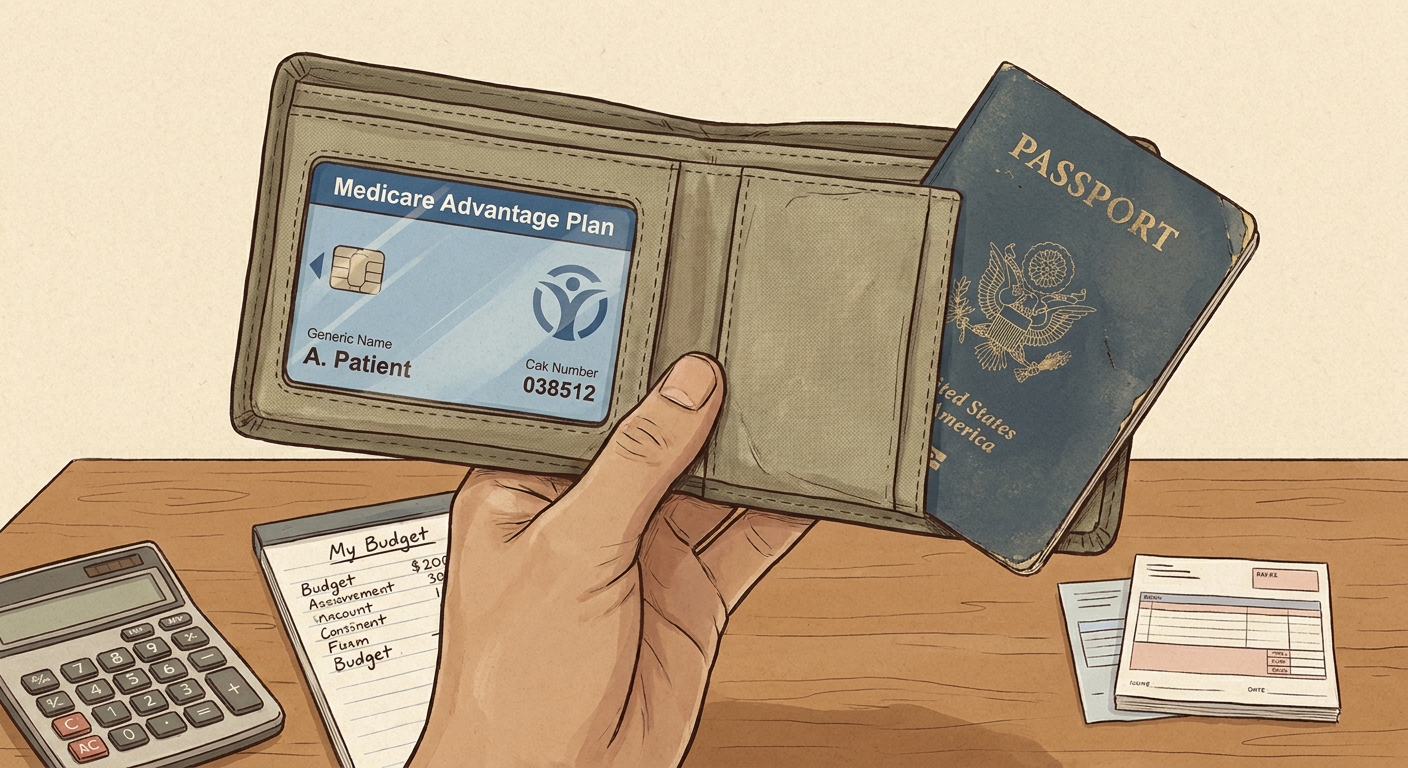
If you have Medicare Advantage: look up “outside the United States,” “foreign travel,” “emergency care,” and “urgently needed care” in your plan documents, then call the member services number on your card to confirm details for your destination.
Before you travel checklist
When I travel, I am a checklist person. Money anxiety taught me that a 10-minute prep session beats a 10-hour mess later. Here is the pre-trip version for Medicare and healthcare abroad.
- Confirm what you have: Original Medicare only, Original plus Medigap, or Medicare Advantage.
- Call the right company: Medicare at 1-800-MEDICARE for Original Medicare questions, your Medigap insurer for foreign travel emergency questions, or your Medicare Advantage plan for plan rules.
- Ask these exact questions:
- Does my coverage pay for emergency care outside the U.S. in my destination country?
- Is there a deductible, copay, coinsurance, cap, or lifetime maximum for foreign emergencies?
- Do I pay upfront and submit a claim? What documents are required?
- Is medical evacuation covered? If not, should I buy separate coverage?
- Pack documentation: insurance cards, a list of medications, and your plan’s claim submission instructions.
- Know what to save if something happens: itemized bill, diagnosis or visit notes, proof of payment, provider contact info, and your travel dates (boarding pass, itinerary, or entry stamp helps).
- Decide if you need travel medical insurance: especially for longer trips, cruises, adventure travel, or countries where you expect to pay up front.
Common scenarios
Vacation in Italy and you need urgent care
Original Medicare generally will not cover it. If you have a Medigap plan with a foreign travel emergency benefit, it might help if it qualifies as an emergency and you are within the trip-time window. Medicare Advantage might help if your plan includes international emergency coverage. Otherwise, you are likely paying out of pocket or using travel insurance.
Day trip to Canada and the closest ER is across the border
This is one of the clearer Original Medicare exception scenarios, if the foreign hospital is closer than the nearest U.S. hospital that can treat you. You may still need to pay up front and deal with documentation.
Cruise and you get sick on board or at a port
Cruise coverage depends on where the ship is, who treats you, and your coverage type. As a rule of thumb, most shipboard medical care is not covered by Original Medicare. Medicare may cover certain services in limited situations, such as when the ship is in U.S. territorial waters and other Medicare requirements are met, but that is not how most people experience cruise medicine.
If you cruise often, ask your plan how they treat shipboard medical care and foreign port visits, and whether you need separate travel medical coverage that includes evacuation.
FAQ
Does Medicare cover ambulance rides outside the U.S.?
Generally, no. Original Medicare ambulance coverage is typically for medically necessary transport within the U.S. If a narrow foreign hospital exception applies, coverage details can still be complicated. For international trips, medical evacuation is one of the biggest gaps people face.
Will Medicare reimburse me if I pay cash overseas?
Original Medicare usually will not, unless you fit one of the limited exceptions. If you do qualify under an exception, reimbursement may require detailed documentation, including itemized bills and medical records, and it can take time. Medigap foreign travel emergency benefits may reimburse you if the care qualifies and you submit the required paperwork. Medicare Advantage may reimburse based on your plan’s out-of-network and foreign emergency rules.
Does Part D cover prescriptions filled in another country?
Typically, no. Part D plans generally cover prescriptions filled at network pharmacies in the U.S. If you need meds abroad, plan ahead with your prescriber and ask your Part D plan about refill timing rules before you leave.
If I have Medigap, do I still need travel insurance?
Sometimes, yes. If your Medigap plan includes a foreign travel emergency benefit, it can help with unexpected emergencies, but it usually does not cover evacuation, trip interruption, or non-emergency care. Travel medical insurance can fill those gaps.
The bottom line
If you remember one thing, make it this: Original Medicare is not built for international travel. The exceptions exist, but they are narrow. Medigap foreign travel emergency benefits can help, but they are limited and often reimbursement-based. Medicare Advantage travel coverage, when it exists, is a plan-specific feature you have to verify.
Before you book, take one small action that saves a lot of stress later: call your insurer, ask how foreign emergencies are handled, and decide whether a separate travel medical policy makes sense for your trip.