
Ambulance rides are one of those services you usually do not think about until you truly need one. And then the bill shows up and the fine print suddenly matters. Medicare can cover ambulance transportation, but it is not automatic. The big requirement is medical necessity, plus some rules about where you are taken and what type of ambulance is used.
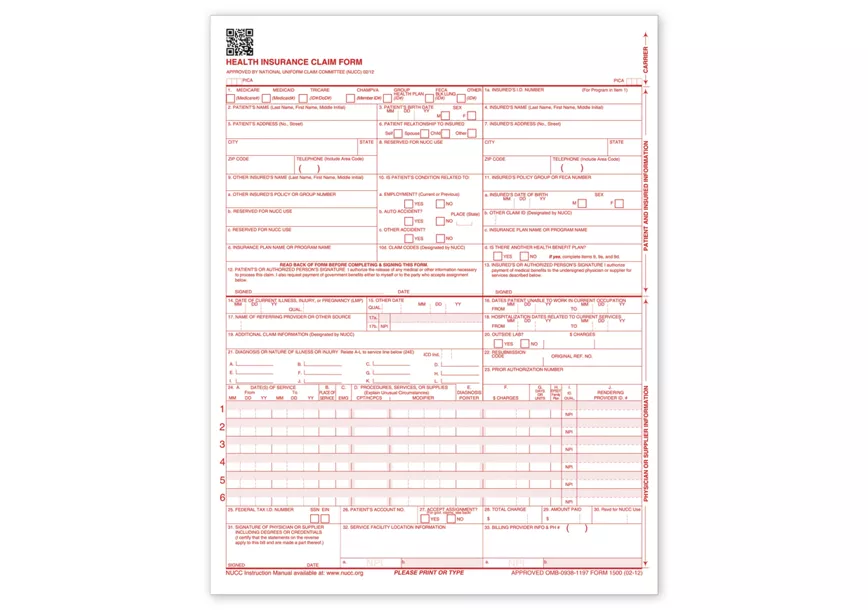
Quick answer: yes, with rules
Original Medicare (Parts A and B) generally treats ambulance transportation as a Part B service. Medicare Part B may cover:
- Emergency ambulance transportation (ground or air) when it is medically necessary
- Non-emergency ambulance transportation in limited situations, when it is medically necessary and other requirements are met
If Medicare covers the ride, you typically owe 20% coinsurance after you meet your Part B deductible, unless you have other coverage that pays some or all of that share (for example, Medicaid, retiree coverage, or a Medigap plan). If you want the exact deductible amount for the current year, check Medicare.gov or your annual plan materials.
What “medically necessary” means
For Medicare, an ambulance ride is usually considered medically necessary when your condition is such that other transportation could endanger your health.
In plain English, Medicare is looking for circumstances like:
- You need medical care while in transit (for example, oxygen, monitoring, IVs)
- You cannot safely get into a car or sit upright without serious risk
- You have symptoms that require rapid transport and trained medical responders
Medical necessity is based on your condition at the time of transport, not on whether the hospital later labels it a “true emergency.” Documentation from the ambulance supplier and the receiving facility matters.
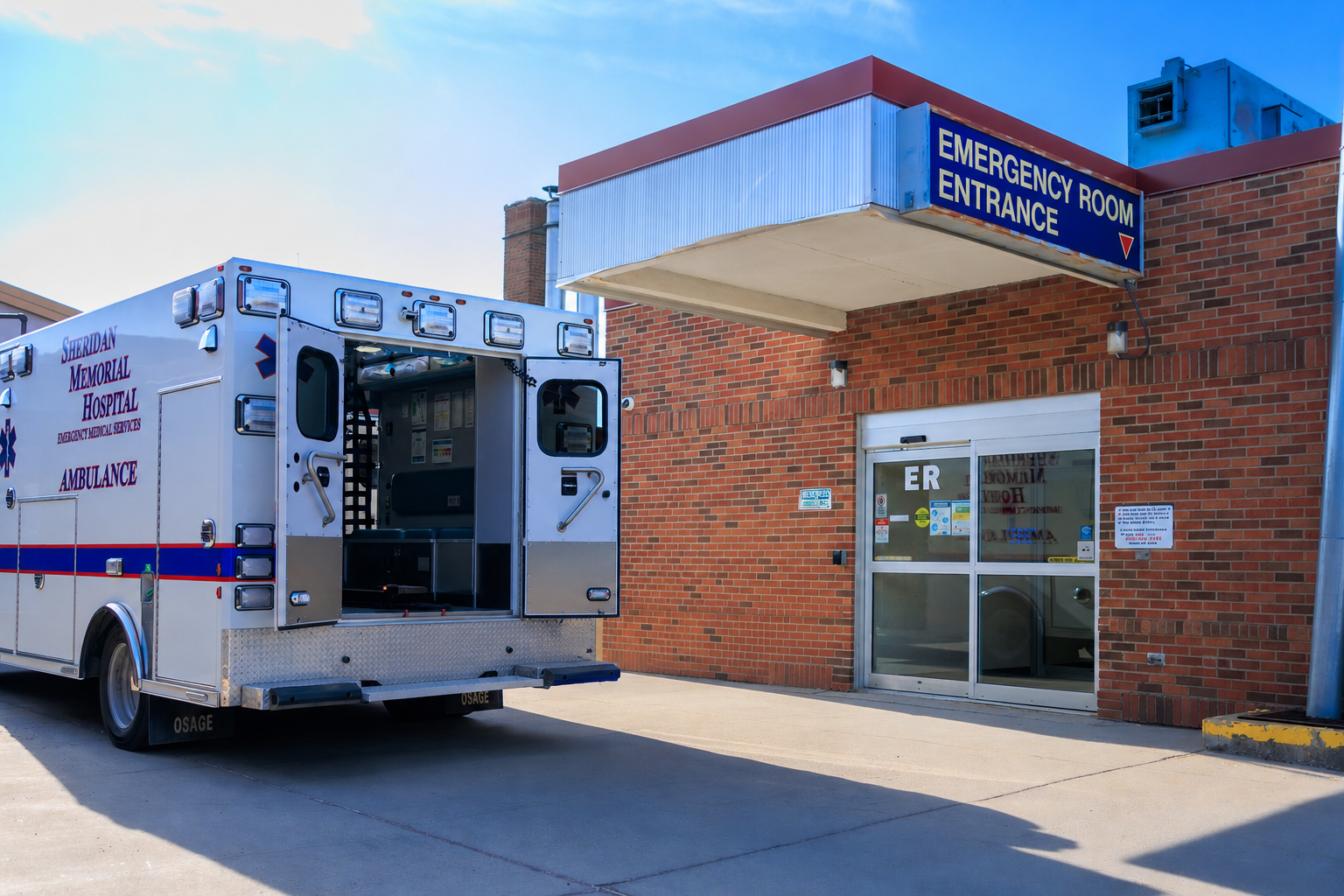
Emergency ground ambulance
Medicare Part B can cover emergency ground ambulance transportation when:
- An emergency exists, meaning your health is in serious danger without immediate care
- Other transportation is not safe given your medical condition
- You are taken to an appropriate medical facility, typically the nearest facility able to provide the care you need
That last bullet is easy to miss. Medicare is generally looking at whether the destination was the nearest facility that could furnish the required care for your condition. If you are taken farther away, documentation of why the closer option was not appropriate can make or break coverage.
Example: If the closest hospital cannot provide the specialty care you need (such as a stroke center or trauma center) but a farther facility can, the farther destination may still be considered appropriate.
Non-emergency ambulance
Non-emergency ambulance transportation is where Medicare gets stricter. Part B may cover it when you need an ambulance for medical reasons even though it is not an emergency.
Examples that can qualify (depending on your condition and documentation):
- Transport between facilities (for example, hospital to skilled nursing facility or skilled nursing facility to hospital) when other transportation could be unsafe
- Transport to a hospital or dialysis facility when you cannot be safely transported by car or wheelchair van
- Situations where you are bedridden or otherwise unable to sit in a vehicle safely, and the ride requires medical oversight
Physician Certification Statement (PCS)
For scheduled, repetitive non-emergency ambulance rides (dialysis is a common example), Medicare typically requires a Physician Certification Statement (PCS). The PCS must be signed and dated by an authorized practitioner and timing rules apply. A PCS is not a guarantee Medicare will pay. The medical record still has to support that an ambulance level of service was necessary, not just convenient.
If you are being transported for convenience, preference, or because you do not have a ride, that is generally not enough for Medicare coverage.
Air ambulance
Medicare Part B can cover an air ambulance (helicopter or airplane) when rapid transport is medically necessary and ground transport is not appropriate given your condition, distance, or obstacles (like location or terrain).
Examples where ground may not be appropriate include time-sensitive situations such as major trauma or suspected stroke in a rural area, or when distance and travel time by ground could seriously jeopardize your outcome.
Air ambulance bills can be high, so two details matter:
- Medical necessity documentation is critical.
- How the supplier bills Medicare can affect what you owe.

What you may owe
If Medicare Part B covers the ambulance ride, your out-of-pocket costs typically follow the standard Part B structure:
- You pay the Part B deductible (if you have not already met it for the year).
- Then you usually pay 20% of the Medicare-approved amount (coinsurance).
The Medicare-approved amount is, in plain English, the maximum amount Medicare will recognize for that service, not necessarily what the ambulance company billed.
Important nuance: the Medicare-approved amount is not always the same as the supplier’s billed charges. That gap is one of the most common reasons people feel blindsided by an ambulance bill.
Assignment and extra charges
Even when Medicare covers an ambulance ride, your final bill can depend on whether the ambulance supplier accepts Medicare assignment and how it is enrolled with Medicare.
Accepting assignment vs not
- If the supplier accepts assignment, they agree to take the Medicare-approved amount (based on Medicare’s ambulance fee schedule). You generally owe your deductible (if applicable) and 20% coinsurance.
- If the supplier does not accept assignment, what you owe can be higher and can vary by supplier type and local rules. This does not automatically mean unlimited billing in every case, but it can mean less price protection for you, especially with certain governmental or local ambulance providers.
In an emergency, you usually cannot choose the ambulance company dispatched. That is why it helps to know that ambulance coverage is not just “covered or not covered.” The supplier’s billing status can change the outcome.
How Medigap can help
Medigap (Medicare Supplement Insurance) works with Original Medicare by helping pay certain out-of-pocket costs, depending on the plan.
Because Medicare-covered ambulance transportation is typically a Part B service, the two Medigap features that most often matter are:
- Part B coinsurance coverage (the 20% you would otherwise owe on covered services)
- Part B deductible coverage (only some plans cover this, and many newer Medigap policies do not)
If your Medigap plan covers Part B coinsurance, it can significantly reduce what you pay for a covered ambulance ride. It may not eliminate every type of extra charge in every scenario, but it often lowers the standard Part B share of the bill.

How Medicare Advantage works
Medicare Advantage plans must cover at least what Original Medicare covers, including medically necessary ambulance services, but the costs and rules can be different.
With Medicare Advantage, pay attention to:
- Copays or coinsurance: You may have a set copay per trip or a percentage, depending on the plan. Even for emergency ambulance, cost-sharing can vary by plan.
- Network rules: Emergency care is generally covered even out of network, but cost-sharing and claims rules still apply.
- Prior authorization: Plans may require prior authorization for some non-emergency ambulance transportation. Some plans are especially strict about non-emergency rides and may deny them without the right approvals.
One more wrinkle: whether a trip counts as “emergency” can be reviewed after the fact. If the plan decides the medical record did not support an emergency, your cost-sharing or coverage could change.
If you are comparing Original Medicare plus Medigap versus Medicare Advantage, ambulance coverage is a good stress test benefit: it is unpredictable, and the billing details matter.
Part A vs Part B
Ambulance transportation is usually paid under Part B. However, there are situations where it can intersect with Part A coverage mechanics, such as certain transfers during a covered inpatient hospital stay. In practice, you will still see the ambulance claim processed under ambulance billing rules, but it is one reason your hospital status (inpatient vs outpatient) can matter for how Medicare services get organized on paper.
What Medicare usually does not cover
Common reasons Medicare may deny payment include:
- The ride was not medically necessary (other transportation would have been safe)
- You were taken to a facility that was not the nearest appropriate option without a medical reason
- The trip was primarily for convenience
- Documentation was missing or did not support the need for an ambulance
Also, it helps to separate ambulance services from other types of transportation. Under Original Medicare, routine rides in a car service, taxi, or wheelchair van are generally not covered as an ambulance benefit.
If Medicare denies a claim, you have appeal rights. It can also be worth requesting the ambulance supplier’s documentation and the reason code for the denial so you can see what Medicare says is missing.
ABN: what it is and why it matters
For some non-emergency ambulance transports, the supplier may believe Medicare is likely to deny the claim. In those cases, you may be asked to sign an Advance Beneficiary Notice of Noncoverage (ABN).
An ABN is essentially a warning: it means the supplier thinks Medicare may not pay, and by signing you may agree to be responsible for the bill if Medicare denies. If you are stable and able to ask questions, pause and make sure you understand what is being claimed as non-covered and what options you have.
Before a scheduled ride
If a non-emergency ambulance ride is planned ahead of time, a few quick questions can prevent a costly surprise:
- Is the ambulance supplier enrolled in Medicare?
- Do they accept Medicare assignment?
- Will they obtain and submit the PCS if one is required?
- What level of service are they billing (basic life support vs advanced), and why?
Steps to take with a big bill
- Check your Medicare Summary Notice (MSN) or your plan’s Explanation of Benefits to see what was billed, what was allowed, and why anything was denied.
- Ask about assignment. Confirm whether the ambulance supplier accepts Medicare assignment and how they bill Medicare.
- Request an itemized bill and confirm the pickup location, destination, and level of service billed.
- If the ride was non-emergency, confirm whether a PCS or other supporting documentation was completed and submitted.
- If it was denied, consider an appeal, especially if you have medical records that support why other transportation was unsafe.
FAQ
Does Medicare Part A cover ambulance rides?
Most ambulance claims are paid under Medicare Part B. That said, there are situations where ambulance transportation can occur in connection with a covered inpatient stay, and the way Medicare organizes payment can be more nuanced. If you are looking at a specific bill, your MSN or plan EOB will show how the claim was processed.
Will Medicare cover an ambulance to urgent care?
It depends. Medicare’s focus is whether the trip was medically necessary and whether you were transported to an appropriate facility for your condition. Emergency transport often goes to a hospital emergency department, but there are situations where another facility could be appropriate. Documentation is key.
If I refuse the ambulance, can I still get care covered?
Yes. Your decision about transportation does not determine whether your medical care is covered. The ambulance coverage question is separate: Medicare pays for an ambulance when it is medically necessary, not as a requirement for coverage of treatment.
Is an air ambulance always out of network?
Not always, but it can be difficult to control which provider responds. Under Original Medicare, whether the supplier accepts assignment can affect your costs. Under Medicare Advantage, network rules and retrospective review of “emergency” status can affect what you owe.
What if I wanted a specific hospital?
Medicare coverage is generally strongest when the ambulance takes you to the nearest appropriate facility, meaning the nearest facility able to provide the required care. If you go farther for preference alone, Medicare may not pay the full amount (or may deny), unless there is a medical reason supporting the destination choice.
The bottom line
Medicare can cover ambulance rides, including air ambulance, when the trip is medically necessary and meets Medicare’s rules about safety and destination. If it is covered under Part B, you typically owe the Part B deductible (if not met) and 20% coinsurance.
The biggest wild card is how the ambulance supplier bills Medicare, including whether they accept assignment. If you have Medigap, your share can shrink significantly. If you have Medicare Advantage, your plan’s copays, network rules, and prior authorization policies can change the bill. Either way, the best protection is knowing the words Medicare cares about: medical necessity and nearest appropriate facility.