
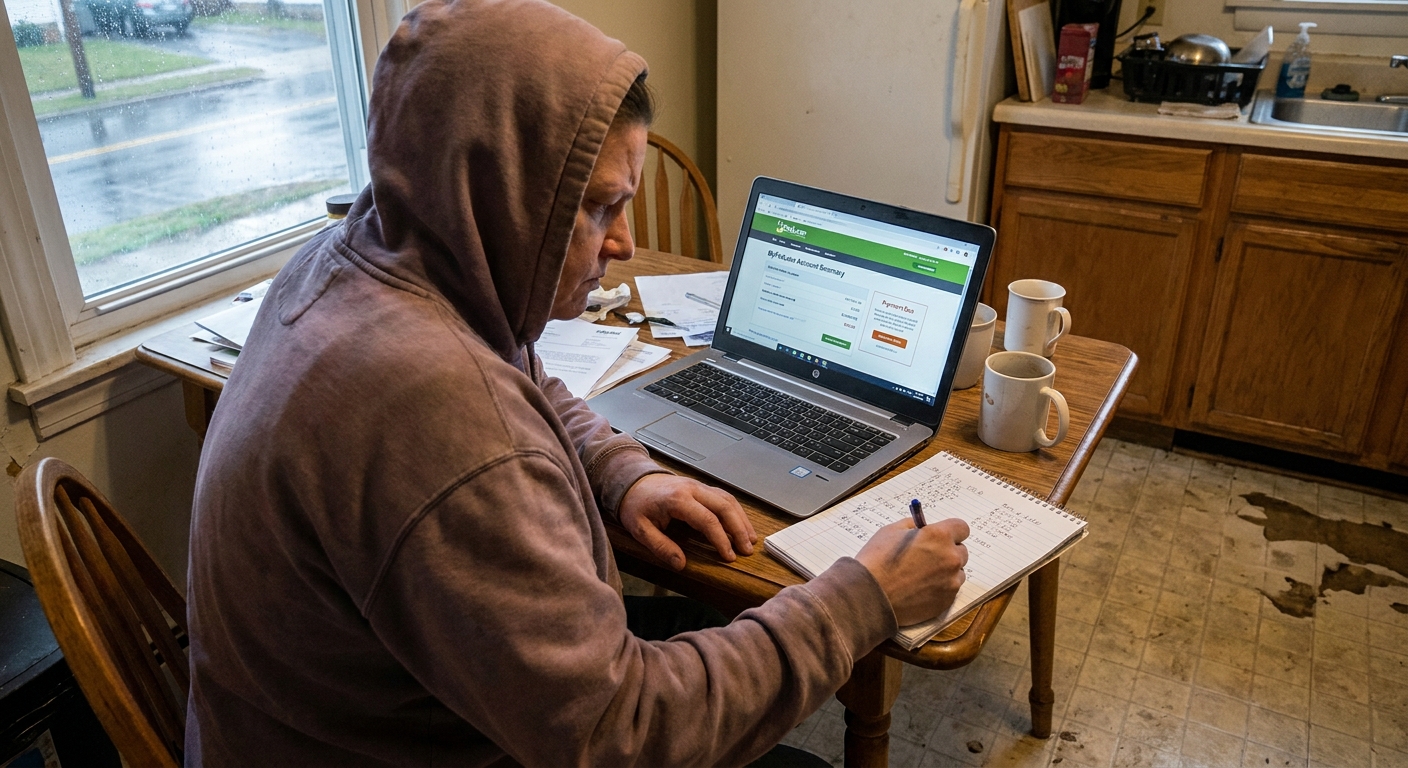
If you need a break from federal student loan payments, two words show up everywhere: deferment and forbearance. They both pause payments, but they do not cost the same, and they do not always play nicely with forgiveness programs like PSLF or income-driven repayment.
I have been the person refreshing my bank app and hoping a bill magically disappears. So let’s keep this simple: the best choice is usually the one that (1) keeps interest as low as possible and (2) does not derail your long-term plan.
Quick definitions
Deferment
Deferment is an approved period where your required payments are paused. Depending on the deferment type and your loan type, the government may pay some of your interest during the deferment.
Forbearance
Forbearance is also an approved payment pause, but in most cases, interest continues to accrue on all loan types the entire time. It is often easier to get than deferment, but it is usually more expensive.
Biggest difference
- Deferment can be cheaper if it covers interest on certain loans (especially subsidized loans).
- Forbearance is usually costlier because interest keeps stacking up.
A quick note before we start
Rules can vary by loan type (Direct vs older FFEL or Perkins), deferment or forbearance type, and the program you are pursuing (PSLF vs IDR forgiveness). If you are unsure what you have, check your StudentAid.gov account and your servicer portal, then ask your servicer to confirm details in writing.
Eligibility
Your servicer is going to look at why you need the pause. Here are the most common real-life situations.
Scenario: You lost your job
Often a fit for: Unemployment deferment , if you meet the requirements.
Also possible: Forbearance, if you do not qualify for deferment or you need a pause immediately while paperwork is processed.
Scenario: You are back in school at least half-time
Often a fit for: In-school deferment (and sometimes an automatic in-school status update if your school reports enrollment).
Watch out: Many borrowers are surprised that in-school deferment can pause payments but not stop interest on unsubsidized loans.
Scenario: Temporary hardship, medical issue, or you are just overwhelmed
Often a fit for: Forbearance, including general forbearance if you are experiencing financial difficulties.
Important: If your income dropped, an income-driven repayment plan might be a better first move than any pause, because it can reduce your payment and keep you on track for forgiveness.
Scenario: You are in a service program
Often a fit for: A specific deferment type tied to service, if eligible.
General vs mandatory forbearance
General forbearance is the common “I need a break” option and is usually discretionary.
Mandatory forbearance may be required in specific situations (depending on your loan type), like certain service, medical training, or when your student loan payment is a high share of your income. If you think you qualify, use the words “mandatory forbearance” when you ask, because it is processed differently.
Bottom line: If you qualify for a deferment that reduces interest costs, start there. If you need a short-term stopgap, forbearance can be the pressure relief valve, but it should usually be Plan B.
Interest costs
This is the part that quietly turns “I needed a breather” into “why did my balance jump?”
During deferment
- Subsidized loans: In certain deferments, the government pays the interest during the deferment period, so your balance does not grow from interest.
- Unsubsidized loans: Interest typically continues to accrue.
- PLUS loans: Interest typically continues to accrue.
During forbearance
- Most federal loans: Interest continues to accrue on both subsidized and unsubsidized portions.
- If you make no payments, that interest stacks up every day the forbearance is active.
A simple cost example
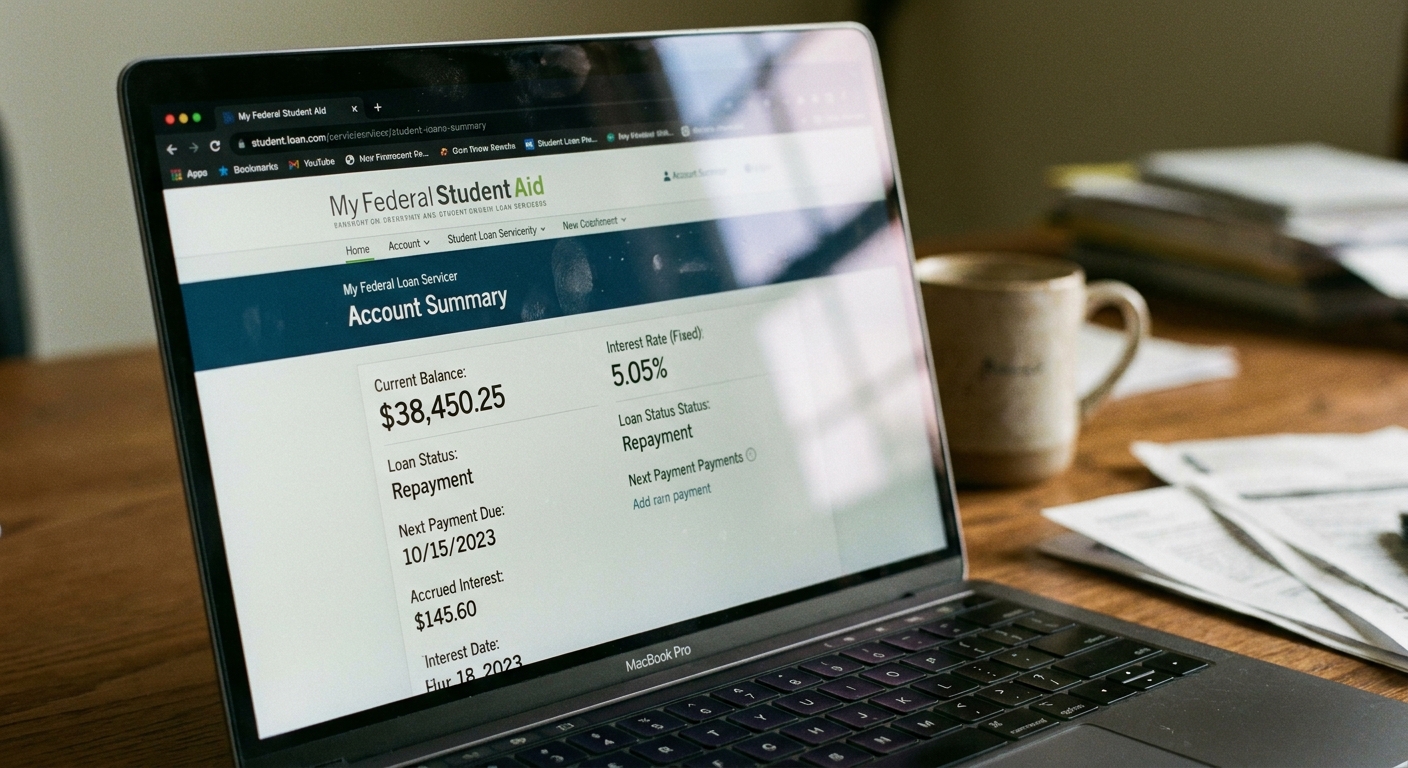
Say you owe $30,000 at 6% interest. That is about $150 per month in interest, or roughly $4.93 per day ($30,000 × 0.06 ÷ 365).
- A 6-month pause can add roughly $900 in interest if nothing is covered.
- If some interest is subsidized during deferment, the added cost can be much lower.
Capitalization
Accrued interest is interest that builds up while you are not paying it. Capitalization is when that unpaid interest gets added to your principal balance, so you start paying interest on a larger number.
When it can happen
Here is the key update a lot of people miss: under Department of Education rule changes that took effect July 1, 2023, capitalization is more limited for many borrowers. For example, for Direct Loans under current rules, unpaid interest generally does not capitalize just because a general forbearance ends.
That is a big deal, because it reduces how often “interest on interest” starts. But capitalization is not gone forever, and older loan programs (like FFEL or Perkins) and certain events can follow different triggers.
Capitalization can still happen in certain situations, including commonly:
- After certain deferments end and repayment resumes (depending on the loan and deferment type).
- When you change repayment plans or leave certain statuses (depends on program rules and timing).
- Historically, some IDR rules treated missed recertification or loss of eligibility as a capitalization trigger. Policies have shifted over time, so confirm what applies right now for your specific plan and loans.
How to limit the damage
- If you can, pay interest-only during the pause. Even small payments can keep a balance from snowballing.
- Keep copies of approvals and dates. Mistakes happen, and you want a paper trail.
- Use the pause for a plan. A pause without a next step often becomes another pause.
Timelines and limits
Deferments and forbearances are not one-size-fits-all. Your servicer will approve a pause for a specific timeframe based on the type.
Deferment timeframes
Some deferments are tied to an active status, like being enrolled at least half-time. Others have set periods and eligibility requirements. Expect your servicer to ask for documentation and to re-check eligibility if you need an extension.
Forbearance timeframes
General forbearance is often approved in chunks (for example, a few months at a time), up to program limits. If you keep needing extensions, that is a sign to explore a longer-term fix like an income-driven plan, or to address the root issue with your budget or income.
PSLF and forgiveness
This is where a lot of borrowers get accidentally burned: a payment pause does not automatically mean you are earning credit toward forgiveness.
PSLF basics
- To earn PSLF credit, you generally need to be in a qualifying repayment status while working full-time for a qualifying employer.
- Deferment and forbearance months usually do not count as PSLF qualifying payments.
What can still help you (without pausing)
If your income dropped, this is the plainest, most PSLF-friendly move: recalculate your IDR payment. A smaller payment, sometimes even $0, can keep you in repayment status so you keep earning qualifying months.
About “exceptions” and one-time credits
You might hear that certain deferments can count for forgiveness. In real life, that usually means one of two things:
- IDR forgiveness: Some deferment months may be credited under special policies or account reviews (for example, one-time adjustments), not because deferment is normally a “qualifying payment.”
- PSLF: Under the standard PSLF rules, deferment months are generally not qualifying. If you think you may be getting credit anyway, do not rely on vibes. Get the exact policy basis in writing.
The “don’t lose progress” approach
If your goal is PSLF or IDR forgiveness, consider these steps before you pause:
- Check your IDR payment first. If your income dropped, an updated IDR calculation can reduce your payment, sometimes to $0, while keeping you in repayment status.
- Confirm what will count. Ask your servicer specifically: “Will this status count toward PSLF or IDR credit, and under what rule or policy?” Then save the response.
- Document PSLF employment. Submit the employer certification form regularly so your counts stay accurate.
If you are pursuing forgiveness, a $0 IDR payment that counts is usually better than a paused payment that does not.
How to choose
Choose deferment when
- You clearly qualify for a deferment category (like returning to school or unemployment) and documentation is straightforward.
- You have subsidized loans and the deferment type covers interest on those loans.
- You want a pause, but you are trying to keep the balance from growing as fast as possible.
Choose forbearance when
- You need an immediate short-term pause and do not qualify for deferment.
- Your situation is temporary and you have a concrete restart plan within weeks or a few months.
- You are using it as a bridge while you apply for an IDR plan, update income, or fix a servicing issue.
If you are doing PSLF or aiming for forgiveness
- First ask: Can I lower my payment with IDR instead of pausing?
- If a pause is unavoidable, keep it as short as possible and consider paying the monthly interest if you can.
- If you are offered a deferment, ask which deferment type it is by name, and whether that specific status is expected to count toward PSLF or IDR credit.
Before you pause
- Turn off autopay if needed. Make sure you will not get hit with an accidental draft while paperwork is pending.
- Ask if payments are still due during processing. Some requests take time to apply.
- Check interest help inside your current plan. Some IDR plans can offer interest benefits that make “stay in repayment” cheaper than you think.
- If you have FFEL or Perkins loans: ask how your loan type affects pause options and forgiveness eligibility. If consolidation comes up, ask how it could affect your progress, and whether any current adjustment policies apply to you.
How to request a pause
Servicers can process requests faster when you are clear and specific. Here’s a clean, low-stress way to do it.
Step 1: Name your goal
- “I need to lower payments long-term” points toward IDR.
- “I need a temporary pause” points toward deferment or forbearance.
Step 2: Ask for the cheaper option first
Use this script on the phone or in a secure message:
“I’m requesting a deferment if I qualify. If I do not qualify, then I want the shortest forbearance available while I submit the required documents. Please tell me the exact deferment or forbearance type name you are applying. Please confirm in writing: (1) whether interest will accrue and on which loans, (2) whether unpaid interest is expected to capitalize and what event triggers it for my loan type, and (3) whether this period is expected to count toward PSLF or IDR credit, and under what rule or policy.”
Step 3: Submit documentation quickly
If it is unemployment-related, school-related, or hardship-related, your approval often depends on forms or proof. Upload documents through your servicer’s portal when possible.
Step 4: Confirm dates and details
- Start and end date of the pause
- Whether interest accrues and on which loans
- Whether unpaid interest is expected to capitalize and when
- Whether the pause is expected to count toward PSLF or IDR credit, and why

Three examples
Example 1: Job loss and cash is tight
Best first move: Check IDR payment recalculation with your new income. A very low or $0 payment can keep you in repayment status for forgiveness tracking.
If you still need a pause: Request unemployment deferment if eligible. If not, ask for a short forbearance and set a calendar reminder to revisit in 30 days.
Example 2: Returning to school next month
Likely fit: In-school deferment. Make sure your enrollment is correctly reported.
My extra step: If you have unsubsidized loans, consider paying the monthly interest while in school so the balance does not balloon.
Example 3: Temporary hardship, but you expect income to bounce back
Likely fit: Forbearance can work, but keep it short.
My extra step: Put the restart date on your calendar and do a quick budget reset so you are not forced into a second forbearance.
Mistakes to avoid
- Assuming interest stops. In most pauses, it does not.
- Staying paused too long. Long forbearances often turn into years of extra interest.
- Assuming forgiveness credit. If PSLF or IDR forgiveness is the goal, confirm what counts before you pause.
- Letting paperwork lag. Delays can lead to unexpected billing or missed deadlines.
- Not checking other options. IDR, payment recalculation, or changing plans can sometimes beat a pause.
FAQ
Is deferment always better than forbearance?
Not always, but deferment is often cheaper if it includes interest benefits on subsidized loans. Forbearance is usually easier to access, but it typically costs more in interest.
Will my credit be hurt if I use deferment or forbearance?
If your pause is officially approved and applied correctly, you generally are not considered delinquent during that period. The bigger risk is a servicing error or missing a required step, so confirm your status in writing. If you want to be extra safe, check your credit reports a month or two after the pause starts to make sure it is coded correctly.
Can I make payments during deferment or forbearance?
Yes. You can usually pay at any time, and paying interest during the pause can reduce or prevent a bigger balance later.
Do deferment and forbearance count toward PSLF?
In most cases, no. PSLF usually requires qualifying payments in a qualifying repayment status. If you are pursuing PSLF, see whether an IDR payment of $0 or a reduced payment is possible instead, and ask your servicer to confirm in writing what will count for your specific loans.
The simplest way to decide
If you need a payment break, ask yourself two questions:
- Can I get my payment down with IDR instead of pausing? If yes, that is often the forgiveness-friendly move.
- If I must pause, do I qualify for deferment? If yes, start there. If no, use a short forbearance and make a plan to exit it.
And if you want one very practical next step: log into your servicer account today and write down your interest rate, your daily interest amount (if shown), and whether your loans are subsidized or unsubsidized. That little snapshot makes every decision after this a lot clearer.