
If you have ever wondered why some people seem to earn extra money back on purchases they were going to make anyway, the answer is often one of two tools: a solid cash back credit card, or an online shopping portal. The good news is you do not have to pick just one. In many cases, you can stack both and turn regular spending into a surprisingly strong return, as long as the store and portal terms allow it and you pay your card off in full.
This is a Smart Cent Guide breakdown of what each option is, how the math works, when each one shines, and a simple routine you can use so you actually remember to earn the rewards.

What you are really choosing
At a high level, the difference is simple:
- Cash back cards reward you based on how you pay.
- Reward portals reward you based on where you start your shopping trip online.
That one distinction matters because it determines where you will see the biggest payoff.
Cash back cards: the everyday workhorse
How cash back cards work
A cash back credit card pays you a percentage of your purchase amount, usually as a statement credit, bank deposit, or points that can be redeemed for cash.
Most cards fall into one of these buckets:
- Flat-rate cards that earn the same percentage everywhere, like 1.5% to 2% on all purchases.
- Bonus-category cards that pay higher rates in specific categories such as groceries, gas, dining, or travel, often 3% to 6% in the right spots.
- Rotating-category cards that offer a high rate on categories that change each quarter, as long as you activate them.
Where cash back cards win
- In-person spending like groceries, gas, and pharmacy runs where portals usually do not apply.
- Bills and subscriptions like your phone plan or streaming services.
- Predictable budgets where you want the reward to happen automatically without changing how you shop.
Where cash back cards lose some ground
- Online shopping at specific retailers where portals can beat your card’s rate by a lot.
- Impulse spending if earning rewards becomes a reason to spend more.
Smart Cent rule: rewards are a coupon, not a permission slip. If you are carrying credit card debt, your interest charges will almost always wipe out your rewards. In that case, shift to a payoff plan first, and treat rewards as a later bonus.
Also, do not ignore the basics: annual fees and interest rates matter. A card with an annual fee can still be worth it, but only if the extra rewards you actually earn beat the fee.
Reward portals: the sneaky booster for online purchases
How reward portals work
A reward portal is a website or browser extension that sends you to an online retailer through a tracked link. If you buy something during that session, the portal earns a referral commission and shares part of it with you as cash back, points, or miles.
Portals are offered by:
- Cash back sites that pay you cash back.
- Airline and hotel portals that pay you miles or hotel points.
- Credit card issuer portals that pay extra points for shopping through their link.
Where portals win
- Big online retailers, especially during holidays and promo seasons.
- Large planned purchases like a laptop, appliance, or furniture where an extra 5% to 15% can be real money.
- Stacking opportunities with card rewards, coupons, and store sales, when allowed.
Where portals can disappoint
- Tracking fails if you block cookies, use ad blockers, switch devices mid-checkout, open too many tabs, or bounce between an app and a browser.
- Fast checkout buttons like PayPal, Apple Pay, Shop Pay, or other third-party checkout flows can sometimes break tracking, depending on the portal and retailer.
- Exclusions often include things like gift cards, subscriptions, taxes, shipping, and certain product lines. Always check the store’s portal terms.
- Delayed payouts since many portals only confirm rewards after the return window closes.
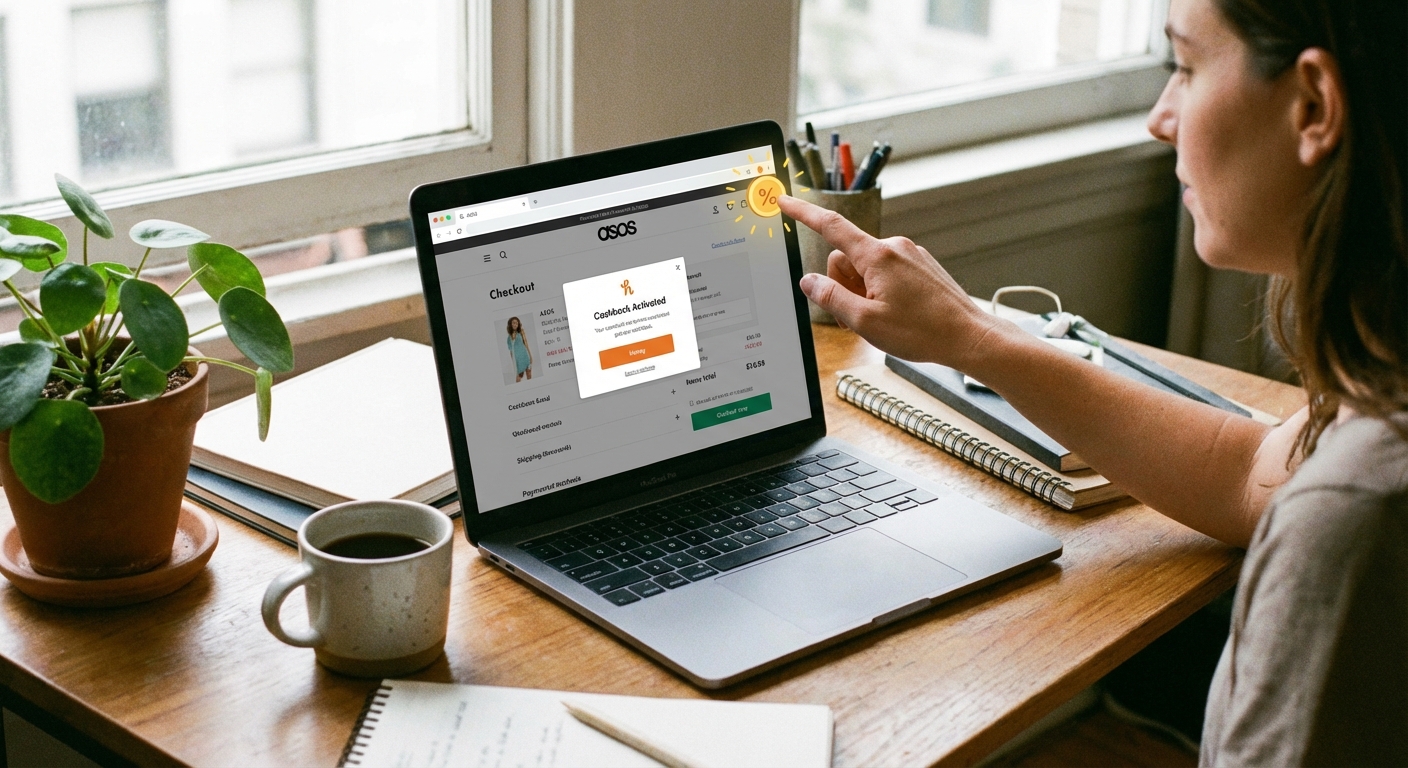
Cash back card vs. portal: which pays more?
Most of the time, a portal has a higher ceiling, but a card is more consistent.
A quick comparison
- Best for offline spending: Cash back cards
- Best for online retailer shopping: Reward portals
- Most automatic: Cash back cards
- Highest upside on a single purchase: Reward portals
- Most predictable payout timing: Cash back cards
- Most fine print: Reward portals
The simplest math example
Let’s say you buy $200 worth of household stuff online.
- If your card earns 2% cash back, you get $4.
- If you use a portal offering 8% cash back at that retailer, you get $16.
Now the fun part: if the portal and card both pay out on the same purchase, you could earn $20 total between the two. Often this works, but not always. Some retailers restrict stacking based on coupons, payment methods, or checkout paths.
The real secret: stack them (the right way)
In many cases you can stack:
- A store sale (automatic)
- A coupon code (sometimes allowed, depends on portal rules)
- A reward portal (the tracked click)
- Your cash back card (the payment method)
My no drama stacking checklist
- Decide what you are buying first. Portals are best for planned purchases, not browsing.
- Check portal rates at 2 or 3 places. Rates can vary a lot by day.
- Read the exclusions for that retailer. Especially gift cards, subscriptions, and specific brands.
- Turn off the troublemakers. Pause ad blockers and coupon extensions if you can, and avoid clicking other deal popups mid-checkout.
- Click through the portal and check out in one session. Avoid hopping between apps, tabs, and devices.
- Use the best card for the purchase. If it is online shopping with no special category, a 2% card is often the simplest win.
- Save your order confirmation. If cash back does not track, you will want the receipt.
Tip from my spreadsheet brain: keep a single note on your phone called “Where I shop” and list your top 10 retailers. Next to each one, jot down which portal usually has the best rates and which card you use. You only have to think hard once.
When not to stack
Sometimes the “max rewards” move is not the best move for real life. I have learned this the hard way.
One time I tried to stack a portal, a coupon code, and a fast checkout button because I was in a hurry. The discount worked, but the portal never tracked, and I spent more time chasing it than the cash back was worth.
Skip portals when:
- You are likely to return the item. Returns and even partial returns can reverse portal rewards.
- You need to use a specific discount that portals exclude.
- You are buying in a hurry and do not want tracking headaches.
- You are forced into an in-app checkout flow that the portal cannot reliably track.
Skip credit cards when:
- You are carrying a balance and would pay interest.
- A fee is added for using a card and it wipes out rewards.
- You tend to overspend when a card is involved.
If you only do one thing from this article, do this: use a flat-rate 2% cash back card for everything, and add portals only for online purchases you were already planning to make.
Everyday spending: best tool by category
Groceries
Most grocery spending is in-person, so a grocery bonus category card or a strong flat-rate card usually wins. Portals can help for online grocery orders, meal kits, and big-box stores with delivery, but read exclusions carefully.
Gas and EV charging
Cash back cards are usually the move here. There are also fuel rewards apps and occasional card-linked merchant offers, but traditional shopping portals rarely help at the pump.
Dining and takeout
A dining-category cash back card tends to beat everything for everyday meals. Portals can help if you are ordering through a retailer gift card site or a delivery partner, but it is less consistent.
Amazon and big online retailers
This can be portal territory when the retailer is available and rates are strong. Some big retailers have limited portal availability or go in and out, so treat this as a quick check, not a guarantee. Start your shopping trip through a portal when it is offered, then pay with your best card.
Travel purchases
Airfare and hotels can go either way. Travel cards often have built-in protections and extra earnings. Portals sometimes run high promotions for booking sites, but third-party bookings can make changes, cancellations, or customer service more complicated.
If you are booking a trip, it is worth a two-minute check before you click “pay.” Just make sure you understand who you are actually booking with, and note that some card protections or bonus categories may require paying directly with the card and, in some cases, booking directly with the airline or hotel.

Cash back vs. points: pick what you will actually use
Portals might offer cash back, airline miles, hotel points, or credit card points. The “best” choice depends on your life.
- Choose cash back if you want flexibility, simple value, and easy budgeting. Cash is my favorite because it can go straight to savings or debt payoff.
- Choose points or miles if you already travel and you will redeem them. Points are only a deal if they get used.
If you are on the fence, start with cash back. You can always graduate to points later once your financial basics are solid.
A simple routine to maximize rewards
Weekly
- Use your main cash back card for normal spending.
- Pay it off in full on a schedule that matches your payday.
Before any online purchase over $50
- Check a portal rate.
- Confirm exclusions and eligible checkout methods.
- Click through and buy in one session.
Monthly
- Redeem cash back and send it to a purpose: debt, savings, or a sinking fund.
- Review your top categories and see if your card setup still matches your spending.
Bottom line
If you want the highest return on everyday spending, use a good cash back card as your foundation, then add reward portals for online purchases where the rates are strong and the terms make stacking realistic. It is not about chasing every last percentage point. It is about building a repeatable habit that pays you back month after month.
If you want, tell me what you spend most on each month (groceries, gas, Amazon, dining, travel), and I will help you decide where a cash back card alone is enough and where portals are worth the extra step.
Note: Rewards are generally treated like rebates on purchases, but tax rules can vary in edge cases (like certain bank bonuses). When in doubt, check the terms and your tax situation.