
I used to think “new” automatically meant “smart.” Then I watched a brand-new car lose thousands of dollars in value while I was still paying credit card interest. That was a turning point for me. If you're trying to build breathing room in your budget, your car decision matters a lot because it's one of the biggest purchases most of us make.
Here's the deal: there's no one-size-fits-all winner. The smartest move depends on how long you keep cars, how you finance, what incentives you qualify for, and how much repair uncertainty you can tolerate. Let's walk through depreciation, interest rates, and maintenance in plain English, then I'll give you a simple checklist.
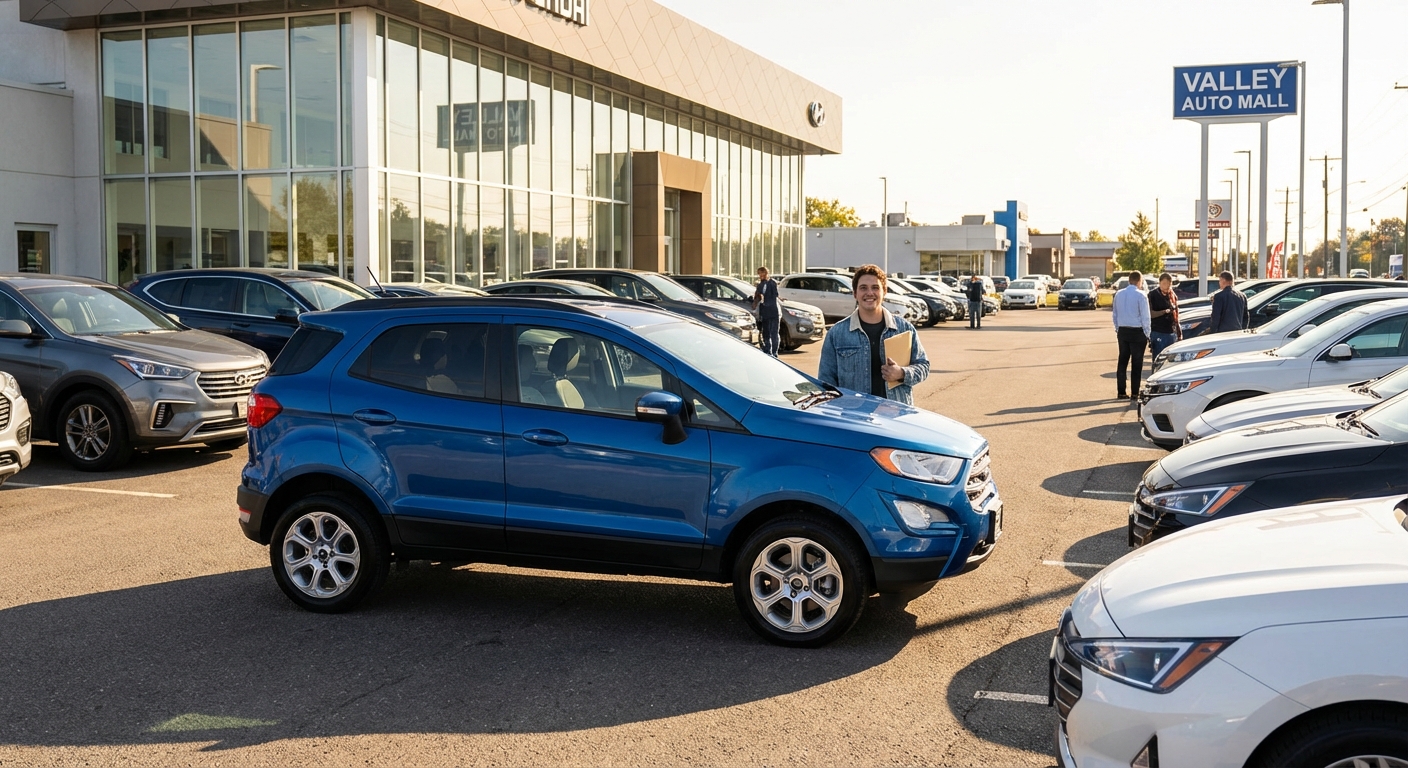
The three costs that decide this
When you buy a car, the monthly payment is only one piece. The true cost usually comes down to three buckets:
- Depreciation: how much value the car loses while you own it.
- Financing: the interest you pay if you use an auto loan.
- Maintenance and repairs: what it takes to keep it on the road.
Insurance, taxes, and fuel matter too, but depreciation and financing can swing the math the most, especially in the first few years.
Depreciation hits new cars first
Depreciation is why a lot of personal finance folks push used cars so hard. In a normal market, new cars typically lose value fastest in the first 1 to 3 years. That's not a universal rule (some trucks, hybrids, and high-demand models can hold value unusually well, and weird market cycles happen), but it's a common pattern worth respecting.
What it looks like
Numbers vary by model, brand, mileage, and timing, but this is a typical shape:
- Year 1: the steepest drop. You can lose thousands just by driving it off the lot.
- Years 2 to 3: still dropping quickly, but usually less brutal than year 1.
- Years 4+: value loss often slows down. This is where many used-car buyers win.
If you buy new and keep the car a long time, depreciation matters less on a per-year basis. If you trade in every few years, depreciation matters a lot.
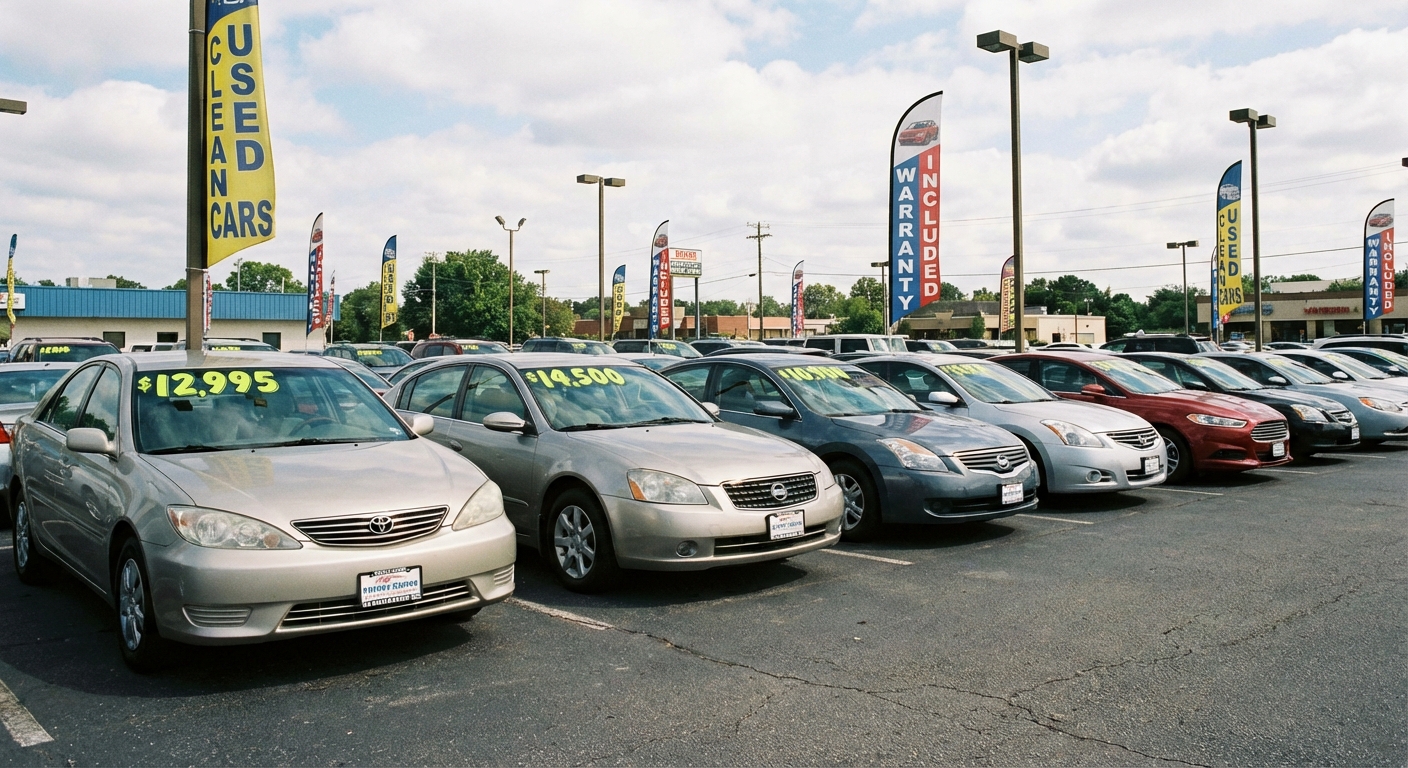
Quick rule I use
If you switch cars every 3 to 5 years, used often protects you from the biggest depreciation hit. If you keep cars 8 to 12 years, buying new can make more sense because you're spreading that early drop across a longer ownership period.
Loan rates can flip the math
Used-car loans often come with higher interest rates than new-car loans, especially if the new car has promotional financing from the manufacturer. That said, it's not universal. Rates depend on your credit tier, the vehicle's age, the lender, and the loan term.
Why the rate gap matters
A higher APR does two things:
- Raises your monthly payment at the same loan amount.
- Increases the total cost of ownership over the life of the loan.
Even if a used car is cheaper, a meaningfully higher APR can eat into the savings. This is especially true if you stretch the loan term out.
My financing reality check
- Shop rates before you shop cars. Get preapproved with a credit union or bank so you know what “good” looks like.
- Keep the term as short as you can. Longer terms lower the payment but usually increase total interest and keep you upside down longer.
- Watch the loan-to-value trap. Rolling in negative equity, add-ons, or big fees can put you underwater fast.
Maintenance: peace of mind vs. variability
This is where the conversation gets emotional, and I get it. A reliable car feels like peace of mind.
New cars
- Pros: warranty coverage, fewer wear-and-tear issues early on, latest safety tech.
- Cons: higher insurance is common, and some repairs can be pricey once you're out of warranty because parts and labor can be more specialized on newer designs. It varies a lot by make and model.
Used cars
- Pros: lower purchase price, slower depreciation, and you can often get more car for the money.
- Cons: condition varies, and big-ticket items (tires, brakes, battery, suspension) may be closer to due, especially in that 2 to 5-year “sweet spot.”
The best used-car strategy isn't “buy the cheapest car.” It's buy the most reliable car you can afford with a clean history and solid maintenance records.
EV and hybrid credits change everything
If you're considering an EV or a plug-in hybrid, the new vs. used math can shift fast because of incentives. A federal tax credit (and sometimes state or utility rebates) can effectively reduce the net cost of a new vehicle, while a used EV may qualify for a different credit depending on price and eligibility rules.
Two quick notes: credits have income limits and vehicle requirements, and not everyone qualifies. Also, EVs have different long-term cost dynamics (less routine maintenance in some areas, but battery and charging considerations matter). If an EV is on your list, run the numbers both ways with your real incentives.
A 15-minute comparison
If you want a quick apples-to-apples test, compare the 5-year cost of a new and used option you'd actually buy. You're not trying to predict the future perfectly. You're trying to avoid an obviously expensive decision.
Step-by-step
- Pick two real vehicles: the new car you want and a used version (or close alternative) that's 2 to 4 years old.
- Estimate purchase price: use out-the-door pricing if you can (price + taxes + fees). Remember sales tax is usually based on purchase price, so new can mean higher tax.
- Estimate interest cost: use your preapproval APR and term for each (and any promotional APR on new).
- Estimate depreciation: check typical resale values for the model at 5 years older with reasonable mileage.
- Estimate maintenance and repairs: be conservative. New cars might be lower early, used cars may need “catch-up” maintenance in year one.
- Add insurance difference: get quotes for both VINs if possible.
A simple template
Even a back-of-the-napkin version works. Create a quick list with: out-the-door price, down payment, APR, term, expected resale value in 5 years, insurance per year, and an annual maintenance number. If you'd rather not build it yourself, use a total cost of ownership calculator (Edmunds and KBB both publish versions) and sanity-check the assumptions.
What to look for
If the used option saves you a lot upfront but costs only slightly more in repairs, used usually wins. If the used option has a much higher APR, a shaky history, and only a small price discount, new can be surprisingly competitive.
When new makes sense
I'm not anti-new. I'm anti-paying extra without getting real value back. Buying new can be smart when:
- You can get a strong promotional APR and you're not inflating the price with unnecessary add-ons.
- You plan to keep the car a long time (think 8+ years) and want long-term reliability from day one.
- The used market is overpriced for the models you're considering and the discount isn't worth the risk.
- You need specific safety or accessibility features that are hard to find used.
- You qualify for EV or plug-in hybrid incentives that materially reduce the net price.
- You have a solid down payment that keeps you from starting the loan underwater.
When used makes sense
Used is often the best money move when:
- You want the lowest total cost and you're willing to shop carefully.
- You can pay cash or use a short term, limiting the effect of a higher APR.
- You target the sweet spot (often 2 to 5 years old) where depreciation has cooled but the car is still modern.
- You can verify condition through service records and a pre-purchase inspection.
- You want flexibility and a lower payment so you can fund goals like an emergency fund.
CPO and new-ish used
If you're torn, a certified pre-owned (CPO) vehicle can be a good middle ground. You often get:
- Newer model years with lower depreciation than brand-new.
- Inspected vehicles with some warranty coverage.
- Sometimes better financing than non-certified used cars.
Just be sure to read what the certification actually covers. Not all CPO programs are equal. Some extend powertrain coverage but not bumper-to-bumper. Some have deductibles. Also, a CPO badge doesn't replace an independent inspection when you can swing it.
How to shop used safely
- Check the exact model year. Reliability can change year to year. Look up common issues, recalls, and owner-reported trouble spots.
- Pull a history report. Look for accidents, title issues, and mileage inconsistencies.
- Ask for maintenance records. A boring stack of oil-change receipts is a green flag.
- Get a pre-purchase inspection. It's one of the best small expenses you can pay to avoid a big one.
- Look at wear items. Tires, brakes, and the battery can turn a “good deal” into a surprise bill.
My don't-regret-it checklist
- Know your all-in monthly number (payment + insurance + fuel + parking + average maintenance).
- Avoid stretching the term just to make the payment work. If it only works at 84 months, it's probably too expensive.
- Don't do payment-only negotiations. Focus on the out-the-door price, APR, and term.
- Keep a starter repair buffer. If you buy used, set aside at least $1,000 to $3,000 depending on mileage, tires, and your risk tolerance. Some vehicles and regions will need more.
- Run the insurance quote before you sign. Premium jumps can wreck an otherwise good deal.
Bottom line
If your goal is the most cost-effective choice in most situations, a reliable used car that's a few years old is still hard to beat because it sidesteps the steepest depreciation.
But if you can lock in a meaningfully lower APR on a new car, qualify for incentives (especially on EVs and plug-in hybrids), plan to keep it a long time, and you're buying within your budget (not your ego), new can absolutely be the smarter financial move.
If you want a simple decision: choose the option that lets you comfortably do these three things at the same time: keep transportation costs reasonable, build your emergency fund, and still enjoy your life. That's value-spending. That's the win.