
Buy Now, Pay Later (BNPL) is everywhere now, from checkout screens to your favorite apps. And I get the appeal. Splitting a $200 purchase into four payments feels way less scary than throwing it on a card and hoping you remember to pay it off.
But BNPL and credit cards operate differently. That shows up in three places that matter when real life happens: fees, disputes and refunds, and your credit score.
Quick note: This article is written with U.S. rules in mind. Protections and timelines can vary in other countries, and even within the U.S. they can vary by provider and state.
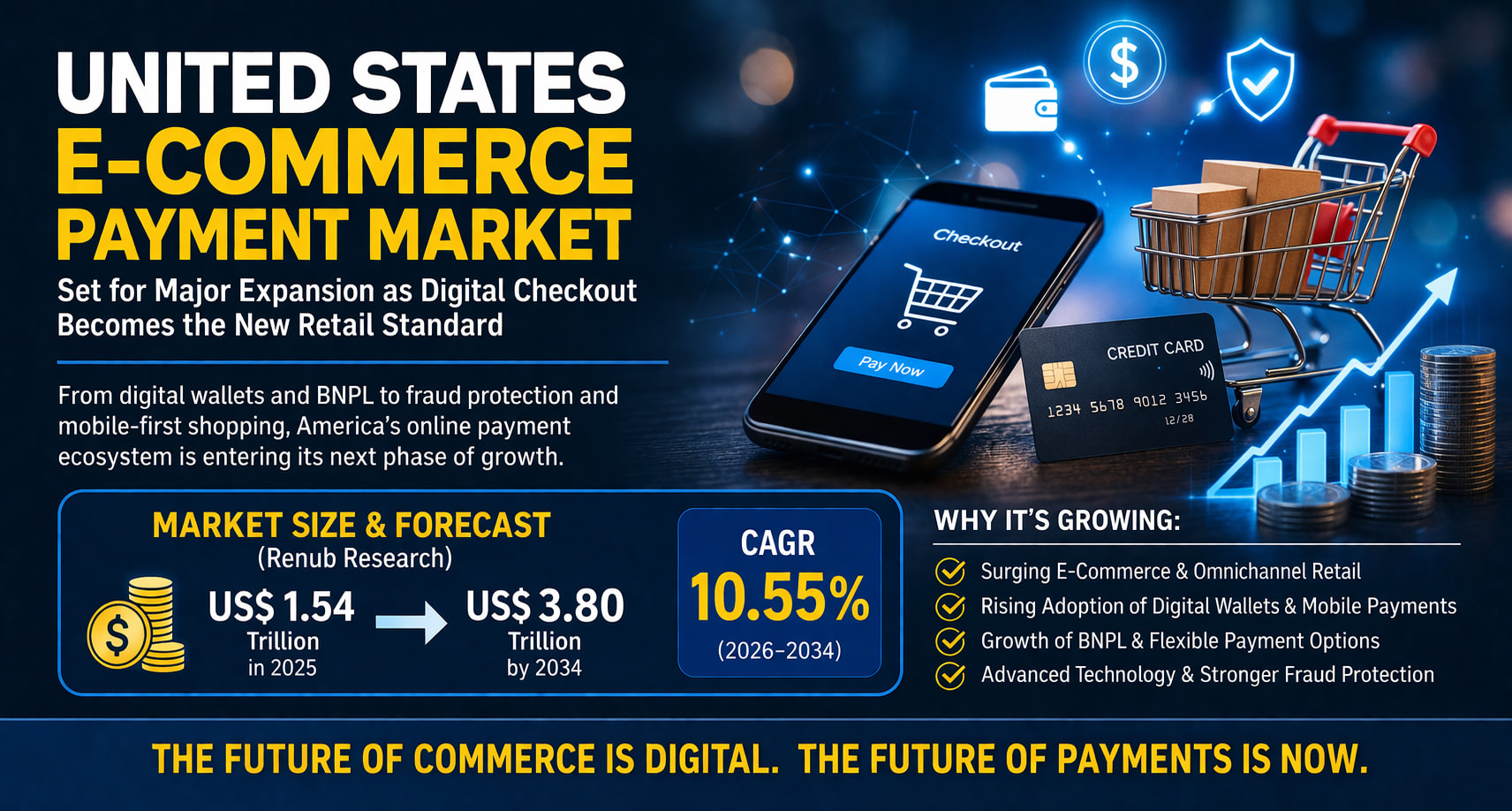
The core difference
BNPL is a loan tied to one purchase
Most BNPL plans are installment loans attached to a specific order. Common setups are “pay in 4” (every two weeks) or longer monthly plans for bigger purchases.
Credit cards are revolving credit
A credit card is an ongoing line of credit. You can carry a balance (and pay interest), or you can pay it in full and treat it like a payment tool with rewards and protections.
That structural difference is why the fine print feels so different when something goes wrong.
Key takeaways
- Lowest cost: A credit card you pay in full, or true 0% BNPL you never miss.
- Biggest risk: Credit card interest if you carry a balance, or BNPL auto-drafts stacking up across multiple plans.
- Best protection (U.S.): Credit cards have long-established dispute rights under federal rules, and BNPL is moving in that direction too.
- Credit impact: Credit card effects are predictable; BNPL reporting is increasing and still inconsistent, so assume it can affect you.
Fees and interest
BNPL: often no interest, but late fees and overlapping schedules
Many BNPL “pay in 4” plans advertise 0% interest. That can be true. The risk is usually not APR, it is missed payments and too many plans at once.
- Late fees: Some BNPL providers charge a flat late fee per missed payment, and others cap total late fees. Policies vary a lot by provider and state, and the rules are evolving.
- Auto-draft surprises: BNPL often defaults you into autopay, even if manual payment is available. If your linked account is tight, an auto-draft can trigger overdraft fees that cost more than the BNPL late fee.
- Multiple plans snowballing: Four payments here, six payments there, and suddenly your next two paychecks are already spoken for.
- Longer plans may have APR: For larger purchases, some BNPL monthly plans charge interest that can look a lot like a personal loan.
Credit cards: interest is the big landmine
Credit cards can be cheap or brutally expensive depending on one habit: do you pay the statement balance in full?
- APR interest: If you carry a balance, interest can stack fast, especially with today’s typical card APRs (often high teens to 20%+).
- Penalty APR: Some cards can raise your APR after certain delinquencies. Check your card terms.
- Late fees: Late fees exist, but they are usually not the main cost compared to ongoing interest.
My quick rule: If you are not sure you can pay a credit card statement in full, BNPL might look safer. But if BNPL will pull from a thin bank balance and cause overdrafts, the “safer” choice can backfire.
Disputes and protection
This is the section most people skip until the moment they need it. It matters because checkout is easy. Fixing a problem later is not.
Credit cards: strong, standardized rights (U.S.)
In the U.S., credit card disputes are backed by a well-established legal and issuer process. Key protections include the Fair Credit Billing Act (FCBA) for billing errors, plus related “claims and defenses” rights in certain situations (for example, if goods are not delivered or are seriously defective and you meet specific conditions).
- You dispute with the card issuer, not just the merchant.
- Your cash may stay in your bank account while the issue is investigated because the charge is on your credit line, not immediately pulled from your deposit account.
- Time limits apply: Disputes generally need to be raised within a set window. Do not wait until your last receipt fades into dust.
- Extra protections may apply: Many cards add purchase protection, extended warranty, or return protection benefits. These are card-specific and not guaranteed, but they can be valuable on electronics, travel, and gifts.
One reality check: Chargebacks are not automatic wins. Investigations are case-by-case, and a temporary credit can be reversed if the issuer decides the charge is valid.
BNPL: protections are improving, but it can still feel messy
Historically, BNPL disputes could be more complicated because you were dealing with two relationships: the merchant and the BNPL provider. That practical friction still shows up, but the legal landscape is shifting.
New (U.S.) context: In May 2024, the Consumer Financial Protection Bureau (CFPB) issued an interpretive rule stating that many BNPL lenders are effectively credit card providers under the Truth in Lending Act. The big idea is that BNPL users should receive credit card-like protections, including investigating disputes, pausing payment obligations during an investigation, and handling refunds for returns under similar rules.
Even with that protection on the books, the day-to-day experience can still be bumpy because timing and workflows vary by provider and merchant.
- Refund timing can be confusing: A merchant may approve a refund, but the BNPL provider may take time to process it and adjust your schedule.
- Partial refunds and returns: These can get confusing fast if you returned one item from a multi-item order.
- Funding source matters: BNPL payments can auto-debit a bank account or charge a linked card depending on the provider. That affects whether your actual cash balance moves while you are sorting things out.
- Dispute process varies: Some BNPL providers offer dispute tools in-app, but timelines and outcomes can still differ from the credit card experience.

Refunds
With a credit card
If you return an item, the merchant processes a refund back to your card. If you already paid your statement, you may end up with a credit on the account, or you may request it be sent to you depending on the issuer’s rules.
With BNPL
Refunds typically flow from the merchant to the BNPL provider, and then your installment plan updates. If you have already made payments, you may receive money back, but the timing can vary.
Watch for this: If your return is in progress, keep an eye on autopay. Even with stronger dispute and refund expectations now, you do not want to assume the system will pause drafts automatically. If something looks off, contact the provider and keep receipts and tracking info.
Credit score effects
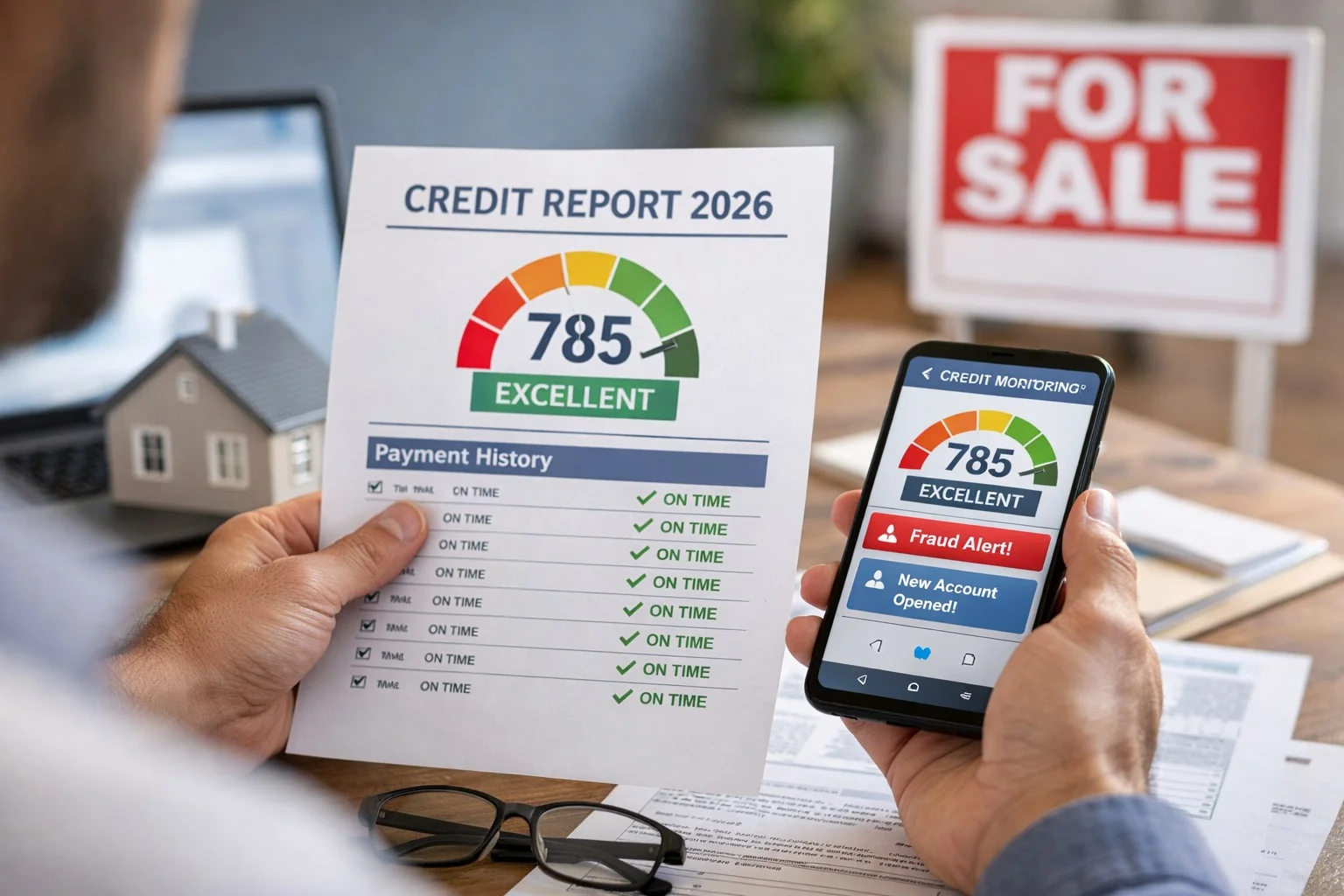
BNPL used to feel “invisible” to credit reports. That is no longer a safe assumption. Reporting is increasing and still inconsistent, so it is smart to assume it can show up or affect you indirectly.
Credit cards: predictable scoring impact
Credit cards typically affect your score through:
- Payment history: Late payments can seriously hurt.
- Utilization: High balances compared to your credit limit can drag your score down even if you pay on time.
- Age and mix: Older accounts and responsible use can help over time.
BNPL: may show up as a loan, and it may include credit checks
Depending on the provider and plan type, BNPL may involve:
- No hard credit check: Many “pay in 4” plans use a soft check or internal risk model. But policies vary.
- Hard inquiry for longer plans: Some monthly installment plans may use a hard credit pull, which can temporarily ding your score.
- Reporting to credit bureaus: Some BNPL providers report certain plans to one or more bureaus (or to alternative bureaus). Others do not. It can help if you pay on time, or hurt if you do not.
Important reality check: Even when on-time BNPL payments are not reported, missed payments can still lead to late fees, account closure, or collections. If the debt goes to collections, that collection account can appear on your credit report.
Which is safer?
BNPL can be a good fit when
- You have the cash flow to cover the installments and want predictable payments.
- You are buying from a reputable merchant with a clear return policy.
- You are using it for a planned purchase, not to patch a budget hole.
- You are not already juggling multiple installment plans.
A credit card can be a good fit when
- You will pay the statement balance in full.
- You want stronger, more standardized dispute rights.
- You are buying something that often goes wrong (travel, event tickets, electronics).
- You want rewards without paying interest.
Neither is great when
- You are already behind on bills.
- You are using borrowed money for essentials like groceries, gas, or utility bills.
- You are relying on “future you” to figure it out.
Quick checklist
Use this like a two-minute pre-purchase audit. It has saved me from more than one “why did I do that?” moment.
BNPL checklist
- Do I have enough in my linked payment method (bank account or card) to cover every autopay date without creating another problem?
- What are the late fee rules and maximums?
- If I return this, do payments pause automatically or do I need to contact support?
- Is this plan reported to credit bureaus, and is there a hard credit check?
- How many other BNPL payments hit my next two paychecks?
- Did I write down the payment dates somewhere I will actually see them?
Credit card checklist
- Can I pay the statement balance in full by the due date?
- Is the purchase big enough that utilization could spike my score this month?
- What purchase protections does this card include (if any)?
- If something goes wrong, do I know how to start a dispute in the app, and do I know the basic time window?
My practical rule
If I want maximum protection and flexibility, I reach for a credit card and pay it off in full.
If the merchant is solid, the amount is manageable, and the payment schedule genuinely helps my cash flow without making my bank balance fragile, BNPL can be fine.
The goal is not to avoid credit tools. It is to use the one that keeps you in control after the purchase, not just during checkout.
If you are deciding between BNPL and a credit card because money is already tight, pause and ask a different question: “What would I cut or delay so I can buy this with cash?” Even a small delay can be cheaper than digging out later.
Small disclaimer: This is general information, not financial advice. Terms vary by provider, card issuer, and state.
Frequently asked questions
Is BNPL better than a credit card?
Not automatically. BNPL can be cheaper than a credit card if it is truly 0% and you never miss a payment. Credit cards can be cheaper if you pay in full and avoid interest, plus they often come with stronger protections.
Can BNPL hurt my credit score?
It can. Some BNPL plans may appear on your credit reports, and missed payments can lead to negative marks or collections depending on the provider and the account type.
Do credit card disputes work the same as BNPL disputes?
Not usually. Credit card chargebacks follow established issuer processes and (in the U.S.) long-standing legal rules. BNPL disputes vary by provider, although U.S. regulators have recently pushed BNPL toward credit card-like dispute handling.
Does BNPL build credit?
Sometimes, depending on whether the provider reports your payments to credit bureaus. Many BNPL plans still do not report positive payment history consistently, so do not assume it will help your score.