
If you are buying a home, the terms appraisal and home inspection can sound like the same thing. They are not. One is about value for the loan. The other is about condition for your peace of mind.
Understanding the difference matters because a “bad” inspection can change whether you want the house at all, while a “low” appraisal can change whether you can finance the house at the agreed price.
Quick definitions (in plain English)
Home inspection
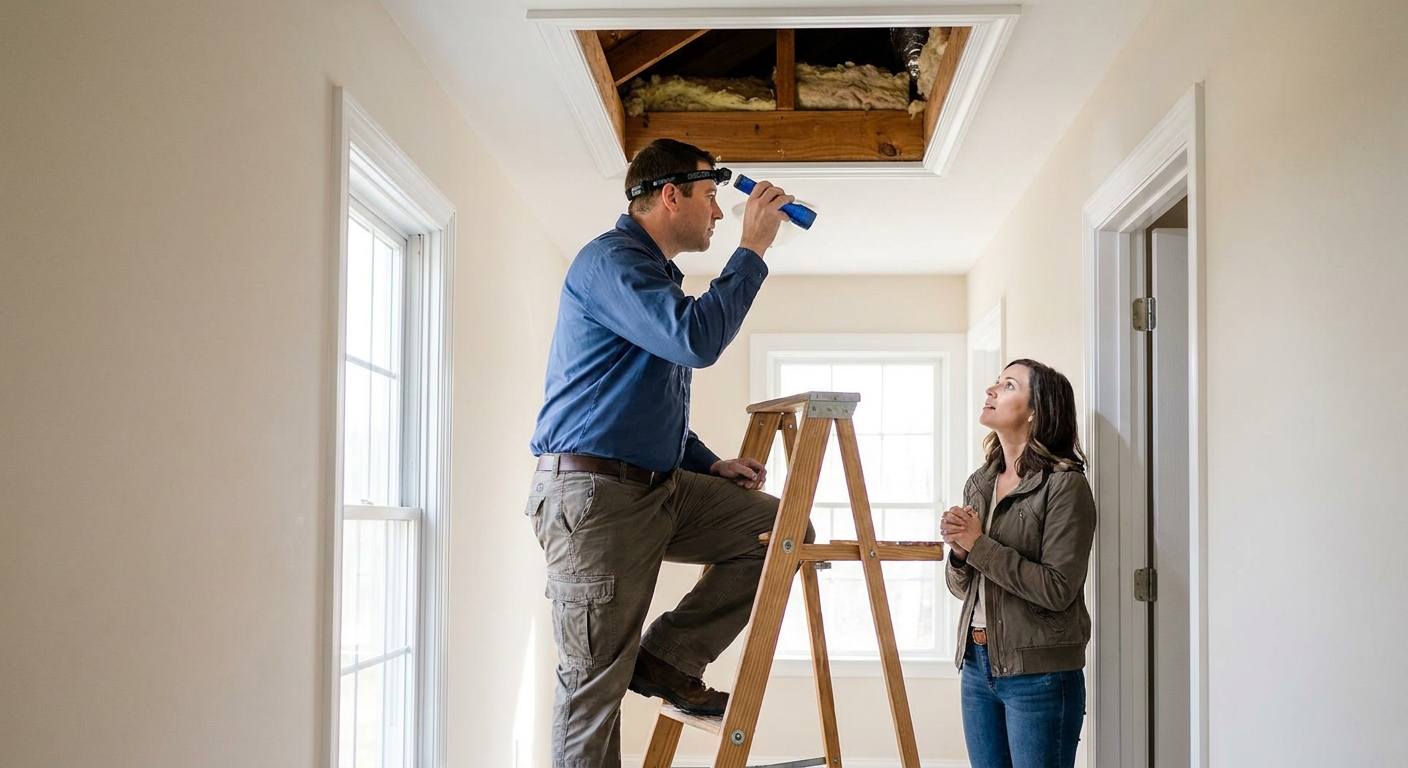
A home inspection is a deep condition check you order (and pay for) to understand what is working, what is worn out, and what could become an expensive surprise after you move in.
Home appraisal
An appraisal is a value opinion typically ordered by your lender to confirm the home is worth what they are lending against. It helps the lender avoid loaning more than the property is likely worth.
- Inspection answers: “What problems does this house have?”
- Appraisal answers: “Is this house worth the contract price (or close to it)?”
What a home inspection covers (and what it does not)
A standard home inspection is a visual evaluation of the home’s major systems and accessible areas. The inspector is looking for safety issues, functional issues, and signs of water damage or neglect.
Typically included
- Roof and attic: visible roof condition, flashing, ventilation, signs of leaks
- Foundation and structure: cracks, settling signs, drainage issues
- Plumbing: visible leaks, water pressure, water heater age and condition
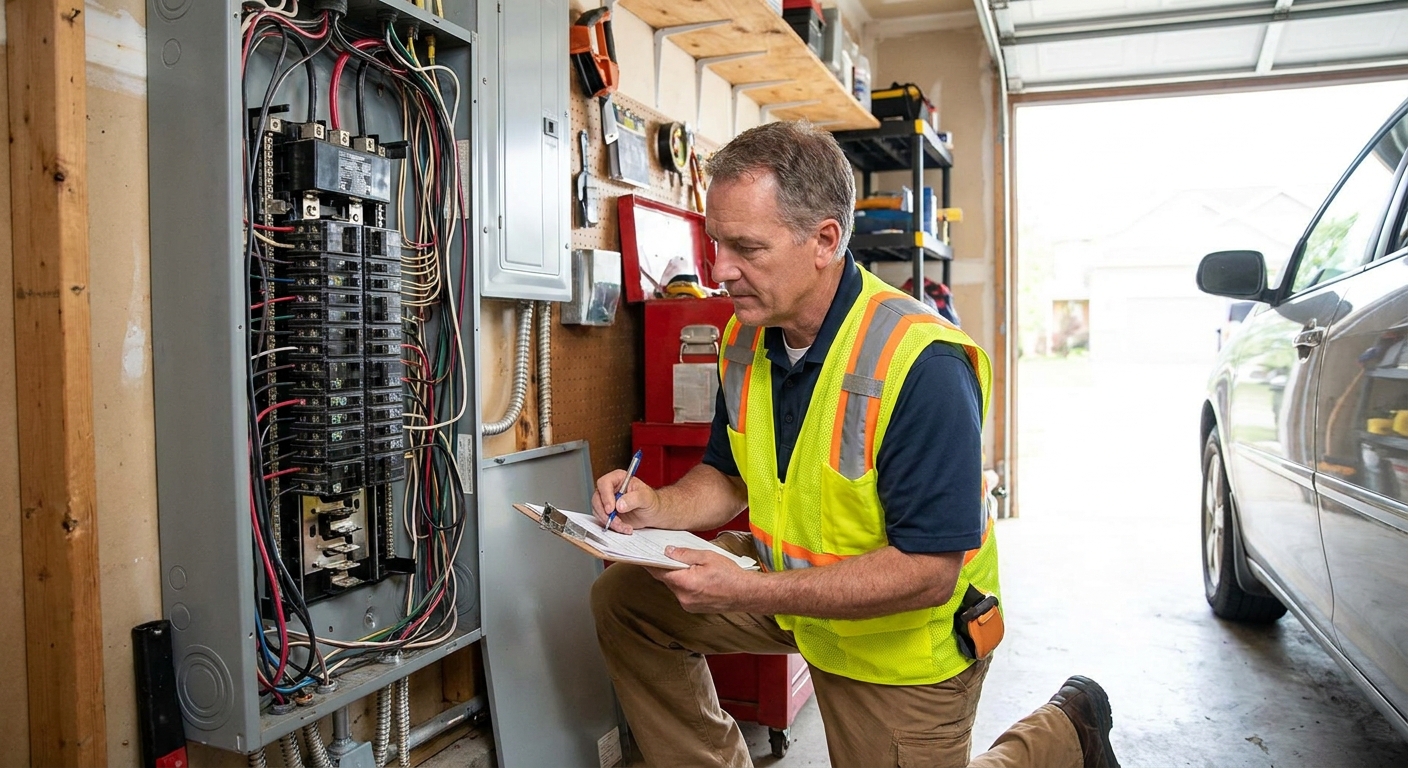
- Electrical: panel condition, outlets, grounding, exposed wiring concerns
- HVAC: basic operation, estimated age, maintenance red flags
- Windows, doors, and interiors: operation, moisture staining, basic safety items
- Exterior: grading, siding condition, gutters, handrails, decks
Common add-ons (often worth it)
- Radon test (common in many Midwest areas)
- Termite and wood-destroying insect inspection (may be required for some loan types or in some regions)
- Sewer scope (great for older homes or homes with big trees)
- Mold or air quality testing (only when there are risk signs)
- Septic, well, chimney, or pool inspections (depends on the property)
What an inspection usually does not cover
- Cosmetic issues unless they point to a bigger problem
- What is inside walls (inspectors are not opening drywall)
- Pest damage unless you order a pest inspection
- Guarantees that something will not break later
- Code compliance in a strict pass or fail way (they can flag safety issues, but they are not the code police)
Think of your inspection report as a negotiation tool and a planning tool. It helps you decide what you want fixed, what you can live with, and what you need to budget for in the first few years.
What an appraisal covers (and what it does not)
An appraisal is not a home inspection. The appraiser is not there to diagnose every defect. They are there to estimate market value based on the home’s characteristics and recent comparable sales.
What the appraiser looks at
- Comparable sales: recent nearby sales similar in size, condition, and features
- Living area and layout: square footage, bedroom and bath count
- Lot and location: neighborhood, lot size, traffic, proximity to amenities
- Condition level: overall maintenance and obvious issues
- Upgrades: kitchen, baths, flooring, finished basement, etc.
What the appraisal does not do
- Protect you from hidden defects
- Guarantee future resale value
- Confirm “deal quality” based on how much you personally love the home
Important: Because the appraisal is for the lender, communication often runs through your loan officer or the appraisal management company, not directly with the appraiser. You will also typically receive a copy of the appraisal from your lender (or a notice of your right to a copy), usually promptly after it is completed.
Inspection vs appraisal costs (typical ranges)
Costs vary by location and home size, but these ballparks help you plan:
- Home inspection: often $350 to $700, plus add-ons like radon, sewer scope, or pest inspections
- Appraisal: often $500 to $900 (higher for complex, rural, or jumbo properties)
Your lender will quote the appraisal fee upfront. Your agent or inspector can help you estimate inspection and add-on costs in your area.
What can “fail” with an inspection vs an appraisal
This is where buyers get tripped up: an inspection is not a pass or fail test unless you treat it that way in your contract. An appraisal can effectively “fail” your financing if value comes in low.
Inspection: what a bad report means
A home inspection can reveal issues ranging from minor to deal-breaker. The report itself is not a failure. Your reaction is what matters.
- Minor: loose handrail, slow drain, missing GFCI outlet
- Medium: old water heater, aging roof with limited life left, HVAC near end-of-life
- Major: active roof leaks, foundation movement, significant electrical hazards, widespread moisture or mold indicators
If your purchase agreement includes an inspection contingency, you typically have options to renegotiate, request repairs, request credits, or walk away within the contingency window.
Appraisal: what a low appraisal means
A low appraisal happens when the appraised value comes in below the purchase price. The lender generally bases the loan on the lower of the purchase price or appraised value. That can create a financing gap.
- Example: You agree to buy at $350,000. Appraisal comes back at $330,000. If your loan is 80 percent loan-to-value, the bank may lend 80 percent of $330,000, not $350,000.
That gap often triggers renegotiation, extra cash needed from the buyer, or a change in loan terms.
Timeline: when each happens
Every market and lender is different, but here is the common flow once you are under contract.
- Offer accepted: you are officially under contract.
- Inspection scheduled: often within the first 7 to 10 days, depending on your contract deadlines.
- Inspection negotiations: repairs, credits, or price changes get worked out before the contingency expires.
- Appraisal ordered by lender: usually after you apply for the mortgage and submit documents. Timing varies, and some lenders order it early while others wait until key deal terms are settled.
- Appraisal report delivered: commonly within 1 to 2 weeks, but delays happen during busy seasons.
- Final underwriting and closing: the lender verifies conditions are met and issues the clear to close.
If you are early in the process, this is also when it helps to understand your numbers upfront. If you have not yet, you can read our guide on mortgage preapproval basics to see what lenders typically verify before they commit.
Who attends and what to expect
Inspection
Inspections usually take a few hours, and buyers often attend. Walking the house with the inspector gives you context you cannot get from a PDF.
Appraisal
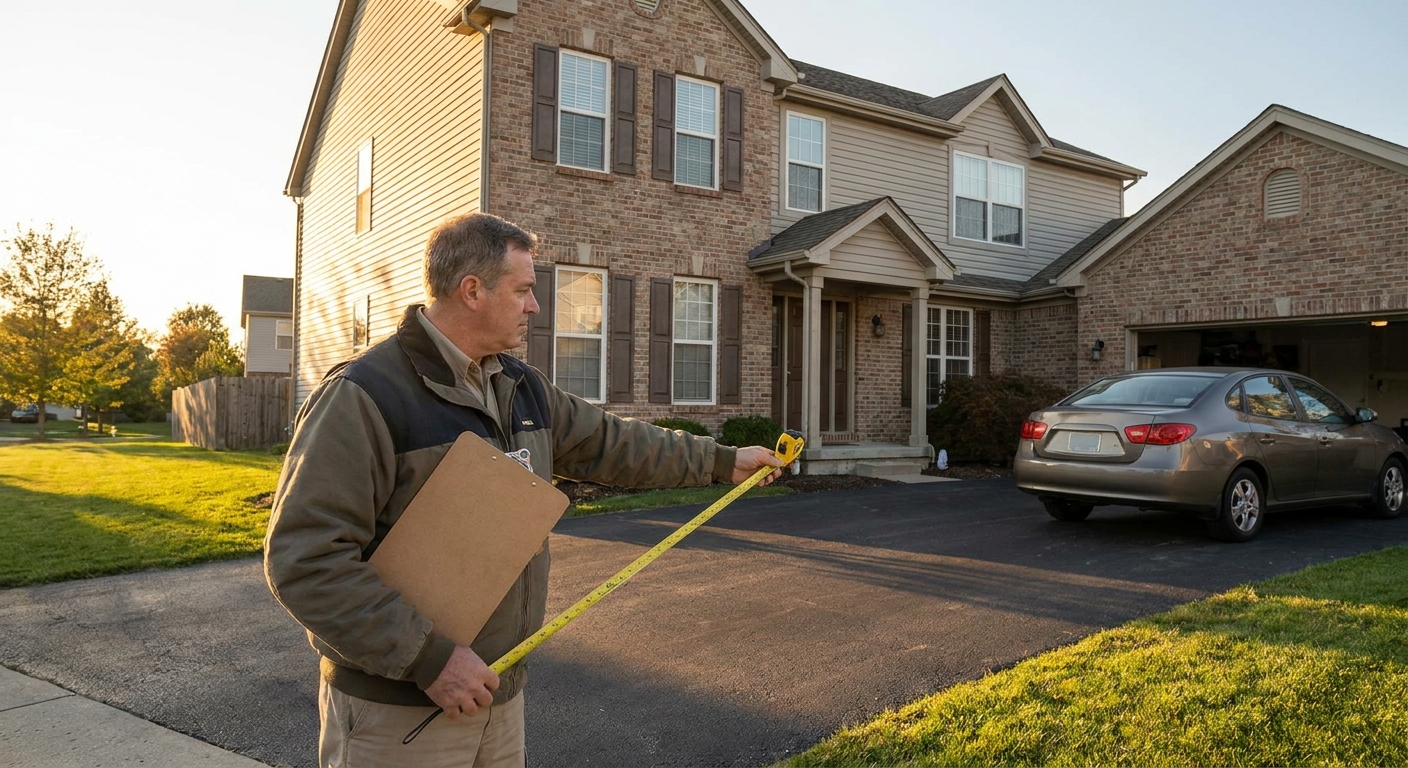
Appraisal visits are usually shorter and more businesslike. Buyer attendance is uncommon. The appraiser may take photos, measurements, and notes, then finish the analysis off-site using comparable sales.
Appraisal waivers (sometimes)
In some conventional loans, an appraisal can be waived (for example, a property inspection waiver or automated valuation). This depends on the lender, the loan file, and the property. Even if a waiver is available, it is not guaranteed, and you can still choose to get an inspection for your own protection.
How each one affects your loan
Inspection impact on a loan
Most conventional loans do not “require” a clean home inspection because the inspection is primarily for the buyer. That said, condition can still impact the loan indirectly:
- You may renegotiate the deal and change the purchase price, which changes the loan amount.
- If major defects are discovered, you might back out, which ends the loan process for that property.
- Even on conventional loans, the lender or appraiser can require repairs for certain safety, structural, or habitability concerns. Some loan types can be stricter about property condition.
Appraisal impact on a loan
The appraisal is directly tied to the lender’s risk. It can:
- Limit the maximum loan amount if value is low
- Change your down payment requirement if you want to keep the same loan type
- Trigger additional underwriting conditions if the appraiser notes repair items needed for safety or habitability
Translation: you can love the house, have perfect credit, and still hit a wall if the appraisal does not support the price.
What to do when the inspection is bad
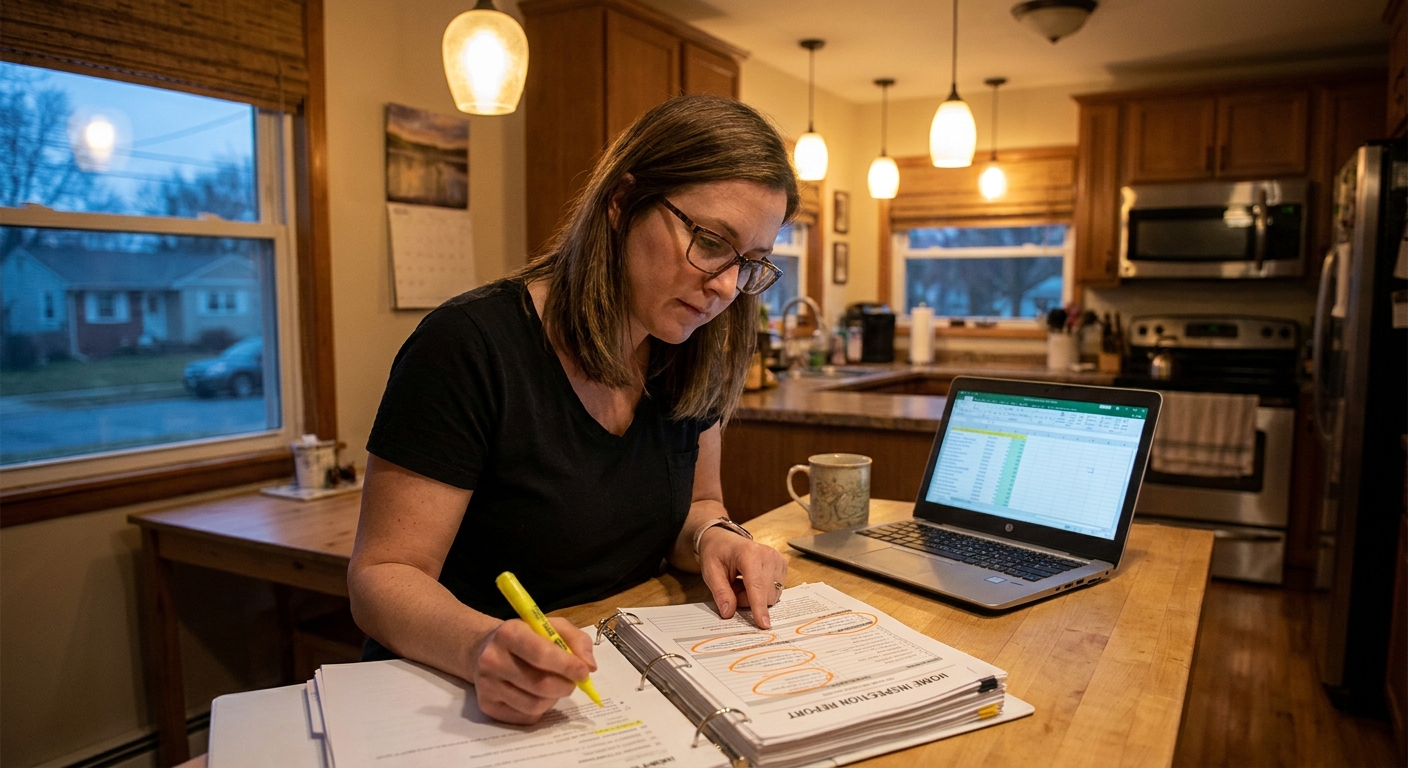
A “bad” inspection is really just information. Your goal is to convert that information into a smart decision, not a panic spiral.
Step 1: Separate scary from expensive
- Scary but cheap: missing smoke detectors, a loose toilet, a broken outlet
- Expensive but manageable: aging HVAC, roof near end-of-life, old windows
- Deal-breakers (sometimes): structural movement, chronic water intrusion, major sewer line issues
Step 2: Ask for the right kind of fix
Depending on your market and contract, common requests include:
- Repairs before closing by licensed pros (best for safety issues)
- Seller credit toward closing costs (often easier than managing contractors on a deadline)
- Price reduction (helps long-term, but may not solve your short-term cash needs)
Step 3: Get estimates when it matters
If the inspector flags something big, ask for time to get a specialist. A roofer, electrician, plumber, or structural engineer can turn “might be an issue” into real numbers.
My rule of thumb: if a repair could run into the thousands and you cannot confidently price it, get a pro quote before you sign away your leverage. For many buyers, that threshold is around $2,000, but use your comfort level.
What to do when the appraisal comes in low
A low appraisal does not automatically kill the deal. It just forces a decision.
Option 1: Renegotiate the purchase price
Often the cleanest solution. If the market supports the appraisal, many sellers would rather adjust than relist.
Option 2: Bring extra cash to closing
You can pay the difference between the appraised value and the purchase price, but make sure you still have a healthy emergency fund after closing. Owning a home is a surprise-expense hobby.
Option 3: Challenge the appraisal (reconsideration of value)
If there are errors (wrong square footage, missed upgrades, poor comps), your lender may allow a formal reconsideration. This is not a “please change it” letter. It needs evidence.
Option 4: Switch loan programs or adjust terms
Sometimes you can change your down payment amount or loan structure. Your lender can walk through what is possible.
Option 5: Walk away if your contract allows
If you have an appraisal contingency and cannot reach a solution, walking away may be the least expensive option.
What to focus on before closing
Between inspections, appraisals, and underwriting, closing can feel like a moving target. Here is where I would focus your attention.
1) Attend the inspection if you can
Reading the report is good. Walking the house with the inspector is better. You get real-time context like “this is normal wear” versus “this needs a contractor.”
2) Keep repair requests realistic and safety-focused
Sellers tend to respond better to:
- health and safety items
- water intrusion and active leaks
- electrical hazards
- major mechanical issues
3) Avoid big financial moves
Until you close, your lender is watching for changes that could impact approval. Avoid opening new credit cards, financing furniture, or switching jobs if you can help it.
4) Budget for cash-to-close and surprises
Even with a smooth transaction, you will have out-of-pocket costs like inspection fees and upfront homeowner expenses. If you want a full list of common line items, check our overview of closing costs (and how to estimate them early).
5) Do a final walkthrough with a checklist
Your final walkthrough is your last chance to confirm:
- agreed repairs were completed (and you have receipts if promised)
- the home is in the same or better condition than when you offered
- appliances and included items are still there
- no new damage happened during move-out

Inspection vs appraisal: the simple takeaway
- Inspection helps you understand the home’s condition and negotiate repairs or credits.
- Appraisal helps the lender confirm the home’s value and determine the maximum loan amount.
- Either one can change the deal, but they do it in different ways: inspection changes your willingness to buy, appraisal changes your ability to finance at the price.
If you treat these as two separate checkpoints, you will feel way less blindsided as you get closer to closing.