
When I was digging out of debt, I learned a painful lesson: a checking account can quietly leak money. For example, a $12 monthly maintenance fee here, a couple of $3 ATM charges there, and suddenly you are paying real cash just to access your own cash.
The tricky part is that plenty of banks advertise “free checking” while hiding strings in the fine print. So here is the checklist I use now as a value-spender (I spend intentionally, but I am picky about fees): the features that make a free checking account actually feel free in real life.
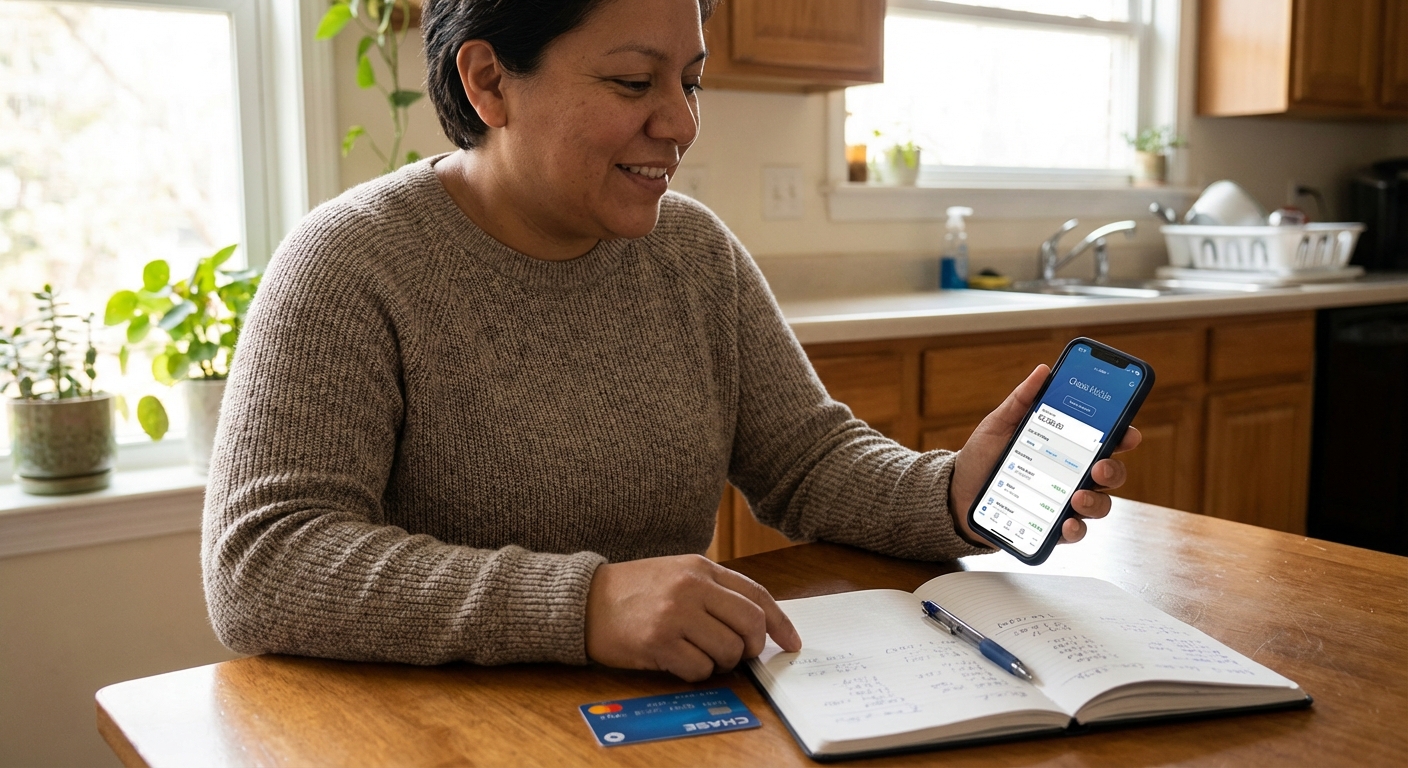
Quick checklist: the 7 non-negotiables
- No monthly maintenance fee with no hoops
- No minimum balance requirement
- No (or low) overdraft fees plus strong controls
- Free, easy ATM access and ideally reimbursements
- Early direct deposit (optional but valuable)
- Strong mobile app with real day-to-day tools
- Free bill pay and free ACH transfers
Now let’s break down what each one means, what to watch for, and how to verify it before you switch.
1) No monthly maintenance fee, period
This sounds obvious, but it is the number one “gotcha” with free accounts. Some banks call it free, then require you to do something every month to avoid a fee.
What to look for
- $0 monthly fee that does not depend on direct deposit, debit card swipes, or a minimum balance
- Fee schedule that clearly lists the monthly fee as $0
Red flags
- “Free if you meet requirements”
- “Monthly service fee waived with…”
- Small print that references “relationship pricing” or “preferred status”
My rule: if you have to remember to do something to keep it free, it is not truly free.
2) No minimum balance requirement
Minimum balance rules can be expensive in a sneaky way. Even if you avoid a fee by keeping, say, $500 in checking, that money is basically trapped in a low-interest account instead of earning more in a high-yield savings account.
What to look for
- $0 minimum daily balance
- $0 minimum opening deposit or something small you can handle comfortably
Why it matters
Checking is for spending and bills. Savings is for earning. A good setup lets you keep your checking lean without punishment.
3) Overdraft policy that protects you
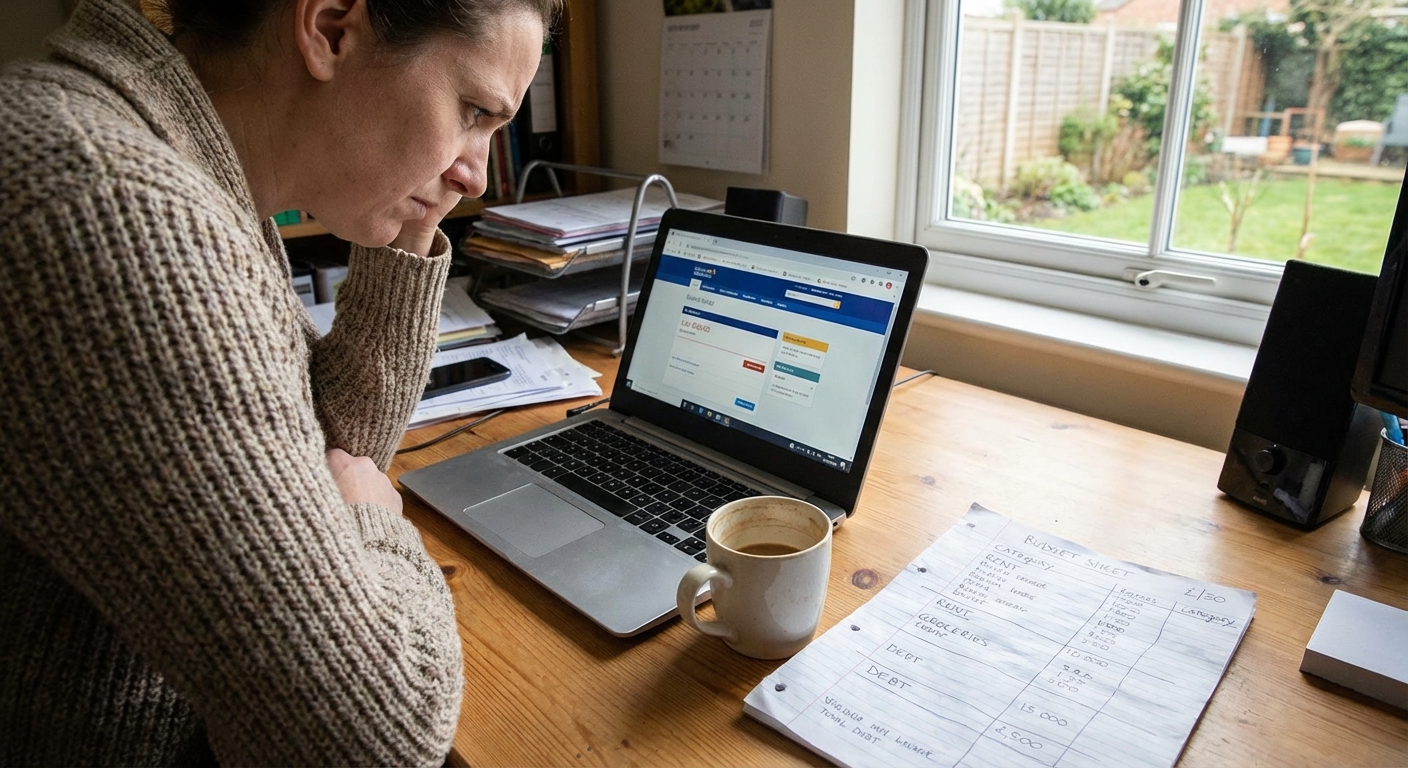
Overdraft fees are one of the fastest ways a checking account goes from free to frustrating. The best accounts either charge no overdraft fees or give you tools that prevent overdrafts from happening in the first place.
What to look for
- No overdraft fees, or a clearly stated low fee with a reasonable cap
- Fee-free grace period (for example, you have time to bring your balance positive)
- Overdraft alerts via push notification, text, or email
- Ability to lock/unlock your debit card in the app
- Optional overdraft transfer from savings (ideally free)
Red flags
- High per-item fees that can stack multiple times in one day
- Confusing language like “we may authorize and pay” without clear controls
Pro tip: In the disclosures, look for both “overdraft fee” and “non-sufficient funds (NSF) fee.” Some banks may charge for declined transactions too, and the rules can vary by transaction type.
4) ATM access you can actually use
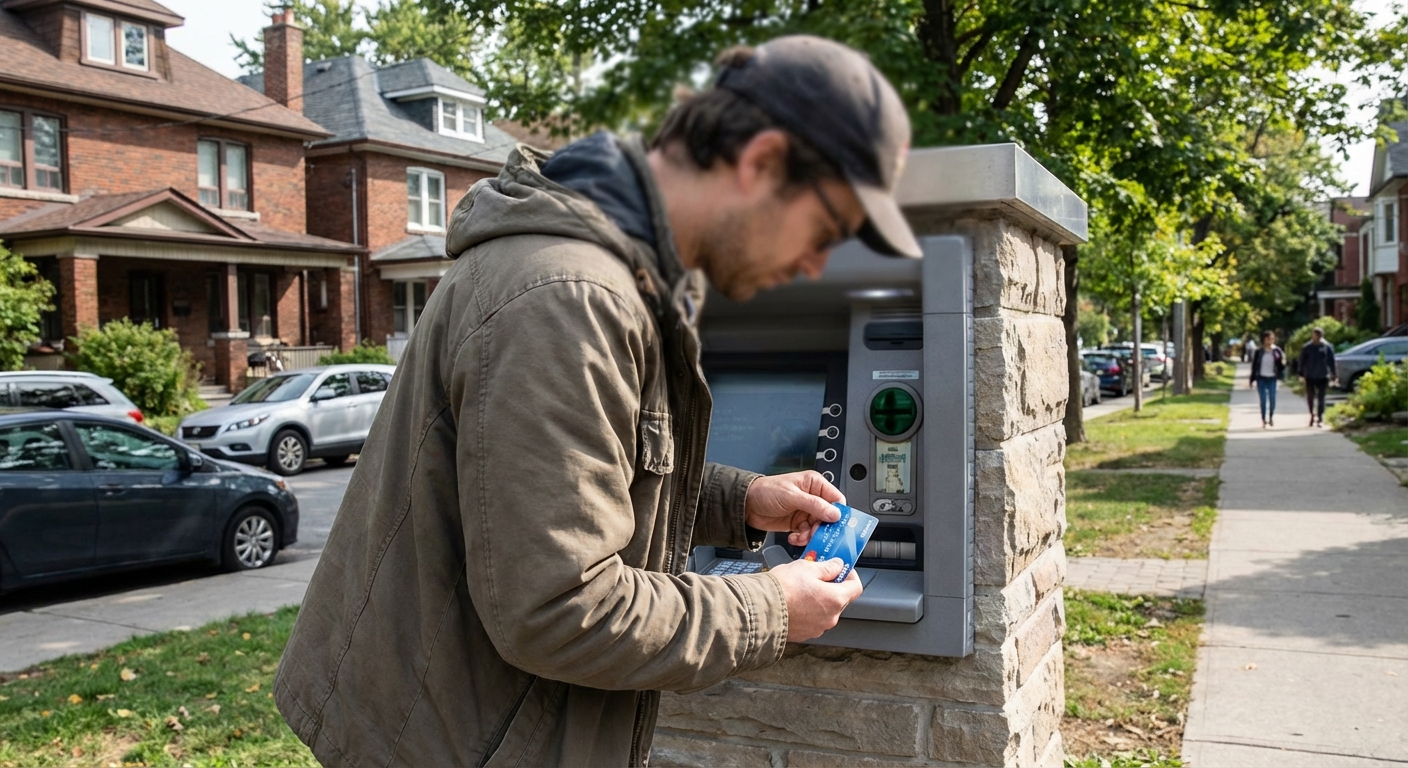
ATM fees can hit twice: the fee your bank charges and the fee the ATM owner charges. Not every bank charges an out-of-network fee, but the ATM operator often still does. A strong free checking account helps you avoid both.
What to look for
- No fees at in-network ATMs with a network that is easy to find where you live and travel
- Out-of-network ATM fee reimbursements (monthly allowances vary)
- Clear limits, like “reimburses up to $X per month” and whether it covers both bank and operator fees
Questions to ask before opening
- How big is the ATM network near me?
- Do reimbursements apply domestically only, or internationally too?
- Is there a minimum balance required to get reimbursements?
- Does the debit card charge foreign transaction fees?
5) Early direct deposit (nice-to-have)
Early direct deposit can help if payday timing makes your budget tight. Some banks post your paycheck up to 2 days early once your employer sends the payroll file.
What to look for
- Early pay that is automatic, not something you must request every pay period
- Clear explanation that timing depends on when payroll is submitted
Important reality check
Early direct deposit does not create extra money. It just shifts timing. But if it helps you avoid late fees or overdrafts, it can be genuinely valuable.
6) A mobile app with real tools
I love a good spreadsheet, but I still want my checking account app to do the basics flawlessly. A weak app can cost you time, missed payments, and stress.
What to look for
- Mobile check deposit with reasonable limits
- Real-time transaction notifications
- Fast transfers (instant internal transfers, and clear external ACH timelines)
- Card controls (lock/unlock, transaction controls)
- Zelle or strong peer-to-peer options if you use them day-to-day
- Easy dispute process for suspicious charges
How to vet it in 3 minutes
- Check recent app store reviews for complaints about logins, deposits, and outages
- Look for frequent updates (a good sign the app is maintained)
- Make sure support options are visible inside the app
7) Free bill pay and free ACH transfers
A checking account should make it easy to move money and pay bills without added fees.
What to look for
- Online bill pay with no monthly fee
- Free ACH transfers in and out (not just internal transfers)
- Clear transfer timing expectations, including cutoff times
Red flags
- Fees for “expedited” payments with no normal free option
- Transfer limits that are unusually low for everyday life
Budget-friendly setup: Use checking for bills and spending, and schedule an automatic transfer to savings each payday. Your checking account should support that without charging you for the privilege.
Before you apply: 7 fine-print checks
If you only do one thing after reading this article, do this: open the bank’s fee schedule and scan it like you are hunting for hidden charges. Because you are.
- Deposit insurance: confirm the bank is FDIC insured, or the credit union is NCUA insured. If it is a fintech app, verify where the money is actually held and who provides the insurance.
- Monthly fees: confirm $0 and note any waiver requirements
- Overdraft and NSF fees: note amounts and whether they can stack
- ATM fees: in-network, out-of-network, international, and reimbursement rules
- Cash deposits: how to add cash, any limits, and whether there is a fee (many online accounts charge or require a third-party network)
- Paper statement fees: easy to avoid, but good to know
- Outgoing wire fees: you may not use wires often, but it is worth seeing the cost

How I compare accounts fast
When I am deciding between two “free” options, I make a quick one-page comparison and force the fine print to compete side by side:
- Monthly fee and waiver rules (if any)
- Minimum balance requirements
- Overdraft fee, NSF fee, and any grace period
- ATM network, reimbursements, and foreign fees
- Cash deposit method and cost
- Bill pay and external ACH timelines
- Support access (phone, chat, hours) and branch access if you care
It takes 10 minutes, and it has saved me months of annoying fees.
Bottom line
A good free checking account should remove friction from your money life, not add it. If an account checks these seven boxes and passes the fine-print checks, you are in a strong position to avoid the classic fee traps while still getting the everyday conveniences you actually need.
If you are shopping right now, prioritize the two or three features that will hit your life every week (ATM access, overdraft controls, cash deposits, support). That is where “free” most often turns into expensive.