
If your bank account feels like a leaky bucket, a 30-day no-spend challenge can be one of the quickest ways to find the holes. It isn't a punishment, and it isn't about becoming a monk. Think of it as a reset button: you pause the “extras,” get honest about your triggers, and redirect cash toward what actually matters.
I’m a value-spender, not a penny-pincher, and I still do no-spend stretches when my spending starts drifting. A month is long enough to shift patterns for a lot of people, and short enough to feel doable.

What it is (and isn't)
A no-spend challenge is a set period, usually 30 days, where you only spend money on essentials and pre-planned obligations. Everything else gets paused.
It is
- A way to break impulse spending loops
- A short-term strategy to jumpstart savings or debt payoff
- A “spending audit” that reveals what you actually use and value
It isn't
- A long-term lifestyle where you never do anything fun
- A test of willpower with vague rules
- A reason to ignore real needs like medical care or safe transportation
Core rules
You can tweak the challenge to fit your life, but these rules keep it effective.
Rule 1: Pay bills as normal
Rent or mortgage, utilities, insurance, minimum debt payments, childcare, transit, and anything contractual stays on autopilot.
If you already have automated savings or investing transfers set up, keep those on autopilot too. Paying yourself first is the point.
Rule 2: Buy only essentials
Essentials usually include groceries, necessary prescriptions, and required work expenses. The key word is “necessary.”
Rule 3: No discretionary spending
This is the heart of the challenge. For 30 days, you pause common budget leaks like:
- Restaurants and takeout
- Coffee runs and convenience store snacks
- Clothes, shoes, accessories
- Home decor and “little Amazon things”
- Entertainment purchases and app add-ons
- Non-urgent upgrades (new headphones because yours are slightly annoying)
Rule 4: No new subscriptions
Also consider pausing or canceling subscriptions you don't use regularly. A no-spend month is the perfect time to test what you don't miss.
Rule 5: Track every dollar daily
You don't need a fancy system. A notes app works. A spreadsheet works. The point is awareness.
What counts as “essential”
This is where people get tripped up. Your essentials list will look different than mine, so decide it in advance.
Usually essential
- Groceries and basic household staples (toilet paper, soap, trash bags)
- Medications, co-pays, and medically necessary items
- Gas or transit for commuting and required errands
- Work and school requirements (not upgrades)
- Pet food and necessary vet meds
Common gray areas
- Toiletries and makeup: Replacing shampoo is essential. Buying three new serums “because skincare” probably isn't.
- Gifts: If you already committed, plan it. Otherwise, consider a card, a call, or a delayed gift.
- Home and car maintenance: Safety fixes are essential. A “fun” home project can wait.
- Travel: Pre-booked and required is one thing. Spontaneous weekend getaways usually break the spirit of the challenge.
Pick exceptions before day 1
Most no-spend challenges fail because the rules are fuzzy. Decide your exceptions up front, write them down, and don't renegotiate them mid-month when you're tired and hungry.
Common exception categories
- Groceries: A weekly cap (example: $80 per person per week, but adjust for your area, diet, and medical needs) and a rule like “one store trip per week.”
- Gas or transit: Only commuting and required errands, no random drives.
- Health: Prescriptions, co-pays, medically necessary items.
- Kid needs: School requirements, diapers, formula. Not spontaneous toy runs.
- Pre-planned commitments: Tickets already purchased, a wedding gift you already committed to, etc.
A clean way to do it: the three-exception rule
If you struggle with boundaries, limit yourself to three exception categories beyond bills. Example: groceries, gas, and prescriptions. Everything else waits.

Set up your 30 days
Step 1: Choose your why and target
Give your challenge a job. Otherwise it becomes suffering with no payoff.
- Build a $500 starter emergency fund
- Make an extra credit card payment
- Get one month ahead on bills
- Save for a specific goal like travel or car repairs
Then pick a number: “I want to save $600 this month.” Specific targets make it easier to stay focused.
Step 2: Do a 15-minute spending audit
Open your last month of transactions and highlight discretionary categories. Most people find the biggest wins in these areas:
- Food outside the house
- Grocery overbuying and waste
- Online shopping and “free shipping” add-ons
- Subscriptions and recurring charges
Step 3: Make a replacement plan
You're not just removing spending, you're replacing the habit.
- Instead of a lunch run: pack lunch the night before
- Instead of browsing shopping apps: go for a 10-minute walk
- Instead of a weekend outing: plan a free local activity
Step 4: Make a no-spend calendar
Circle the high-risk days: paydays, weekends, stressful workdays, social events. Decide in advance what you'll do instead.
Free fun ideas
The fastest way to quit is to make the month joyless. You need free-fun options ready to go.
- Library books, movies, and digital rentals
- Neighborhood walks, park days, hiking
- Game night at home
- Potluck dinner with friends (use what you already have)
- Free museum days and community events
- Decluttering a room and selling items you no longer use
If you're thinking, “But I need a treat,” I get it. My rule: create treats at home. Fancy coffee at home, homemade dessert, a movie night with pantry snacks. Same vibe, way less money.
Grocery rules that help
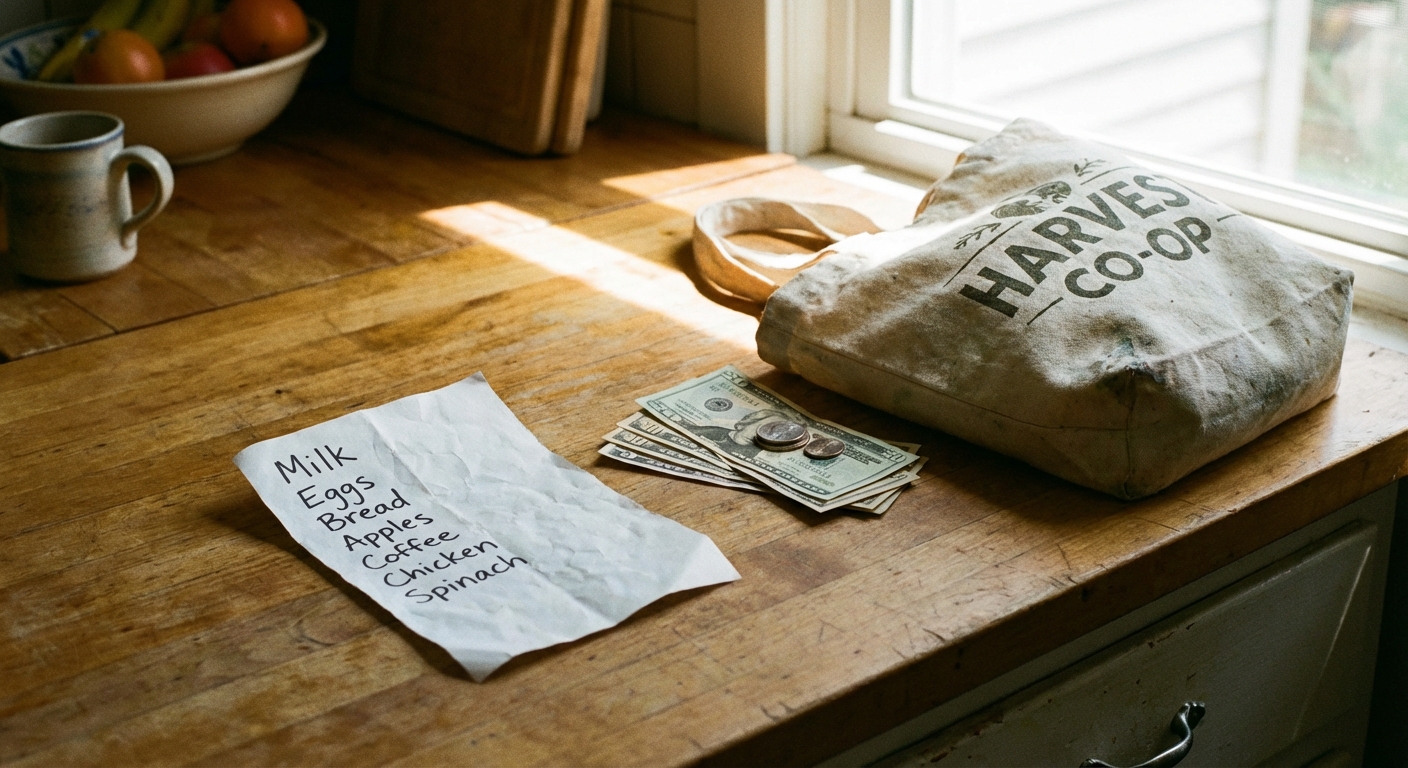
Groceries are where a no-spend challenge can quietly fall apart. Here are a few guardrails that work in real life.
Use inventory-first meals
Before you shop, build meals around what you already have: pasta, rice, canned beans, frozen veggies, eggs, oats.
Shop once a week (or less)
Fewer trips means fewer impulse buys. If you can, do one planned trip plus one quick produce refill.
Keep a list of default cheap meals
- Eggs and toast with fruit
- Rice bowls with whatever protein and veggies you have
- Tacos with beans or ground turkey
- Sheet-pan chicken and frozen vegetables
- Pasta with a simple sauce and a bagged salad
Social pressure
The hardest part for a lot of us isn't the spending. It's explaining it.
Use a simple script
- “I'm doing a no-spend month to hit a savings goal. Can we do a walk or hang at my place instead?”
- “I'm on a spending reset right now. I'll pass on dinner, but I can meet for coffee at home or a park.”
- “I'm not buying anything extra this month. Next month I'm back for happy hour.”
Plan one free hosting option
Invite friends over for a movie, cards, or a bring-your-own snack night. Most people appreciate the low-key plan.
Common problems
“I forgot I needed something.”
Create a list called After Day 30. If it still feels essential in two weeks, revisit it. A lot of “needs” shrink once the moment passes.
“My car broke” or “my kid got sick.”
That is life. Pay for true emergencies. The challenge is about discretionary spending, not ignoring reality. If you have to spend, log it, adjust, and keep going.
“I'm bored and I keep scrolling shopping sites.”
Delete saved cards from your browser and remove shopping apps for the month. Add friction. Also, give your hands something to do: clean a closet, meal prep, read, walk the dog, anything.
“My partner isn't into this.”
Pick a shared goal and keep rules fair. If your household is mixed, you can still run a personal challenge by freezing your discretionary category only.
Track it simply
Here's an easy way to track your progress without turning your life into homework.
Daily check-in (2 minutes)
- Did I spend today? If yes, was it an approved essential?
- What triggered any temptation?
- One win from today
Weekly check-in (10 minutes)
- Total spent on essentials vs. your caps
- Total “not spent” wins (skipped takeout, skipped impulse buys)
- Money moved to savings or debt
Pro tip: Move saved money at least weekly into a separate savings bucket. If you leave it in checking, it tends to “find a purpose.”
Where the saved money should go
A no-spend month feels powerful when the money actually goes somewhere intentional. A few high-impact options:
- Starter emergency fund: Aim for $500 to $1,000 if you don't have one yet.
- High-interest debt: Credit cards especially. Extra principal payments can be a reliable, risk-free return equal to your interest rate (and they simplify your life fast).
- Upcoming true expenses: Car registration, holidays, school fees, annual premiums.
- Sinking funds: Travel, home repairs, vet fund, etc.
If you're in credit card debt and you don't have an emergency fund, I like a split approach: build $500 first, then attack the debt.
Avoid the day-31 binge
The no-spend challenge works best when it leads to a healthier baseline, not a rebound.
Create a re-entry plan
Before the month ends, decide what spending comes back and what stays gone.
- Pick 1 to 2 discretionary categories to bring back with a cap (example: $60 per week for eating out)
- Keep any subscription you truly used, cancel the rest
- Schedule one intentional splurge that you planned from day 1
Write lessons learned
- What didn't I miss at all?
- What did I miss and why?
- What spending was tied to stress, boredom, or convenience?
- What one habit will I keep next month?
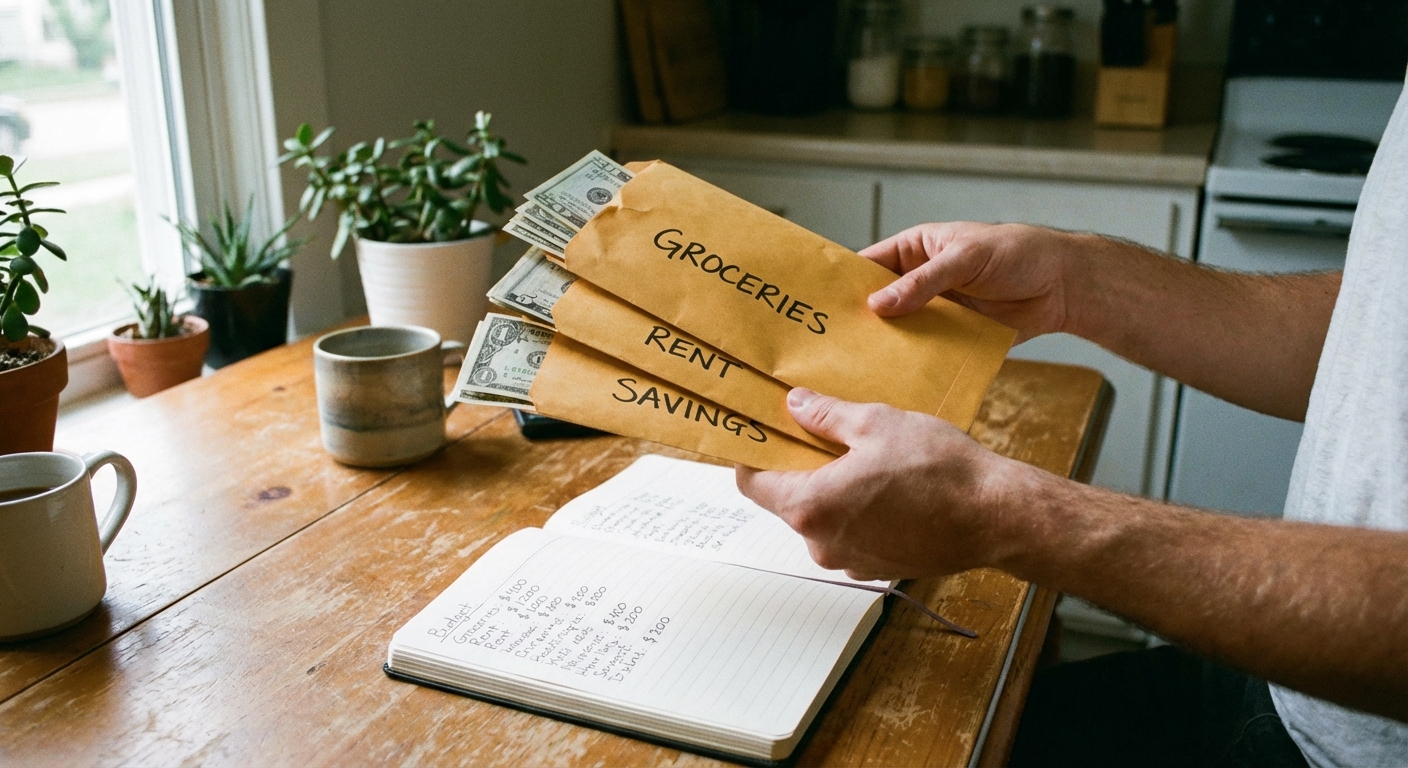
Card vs. cash
Pick the method that makes it easiest to stick to your rules.
- Cash envelopes: Great if you need a hard stop. When the envelope is empty, you're done.
- One dedicated debit card: Great if you want simplicity. Use it only for approved essentials.
- One “no-spend notes” list: If your temptation is online shopping, a running list of “After Day 30” wants can be more powerful than cash.
30-day checklist
- Choose your start date
- Write your why and a savings target
- List your exceptions and caps
- Define essentials (and gray areas)
- Plan groceries and default meals
- Delete shopping apps and remove saved cards
- Create a free-fun list for weekends
- Set weekly transfers to savings or debt
- Do a 10-minute weekly check-in
FAQ
Can I do a no-spend challenge if I live paycheck-to-paycheck?
Yes, and it can be especially helpful. Just keep exceptions realistic. If your grocery budget is already tight, your win might come more from cutting convenience spending and pausing non-essentials than from trying to shrink groceries further.
Does “no-spend” mean I can't buy groceries?
No. Most people include groceries as an essential. The challenge is to stop discretionary spending and reduce waste, not stop eating.
What if I mess up?
One slip isn't a failure. Log it, learn from it, and keep going. Consistency beats perfection.
Is 30 days the best length?
Thirty days is a great reset. If that feels too intense, start with 7 or 14 days, then level up.
A quick heads-up
If strict spending rules are triggering for you, or if you have a history of disordered eating or anxiety around money, consider a gentler version (like a no-spend week, or cutting just one category) and get support if you need it. This should make your life calmer, not harder.
My final take
A 30-day no-spend challenge isn't about proving you can suffer. It's about proving you can steer. If you plan your exceptions, prep your meals, and give yourself free ways to have fun, you'll finish the month with more cash and a lot more confidence.
If you want, tell me your biggest spending “leak” right now, and I'll help you set exceptions and a simple rule set that fits your life.