
Groceries got expensive fast. If it feels like your cart costs 20% to 30% more than it used to, you’re not imagining it. The exact jump depends on where you live, what you buy, and when you last paid attention to your totals.
The good news is you don’t need extreme couponing, a stockpile pantry, or three different store runs to bring your bill down. I’m a value-spender, so my goal is simple: spend less while still eating food you actually enjoy.
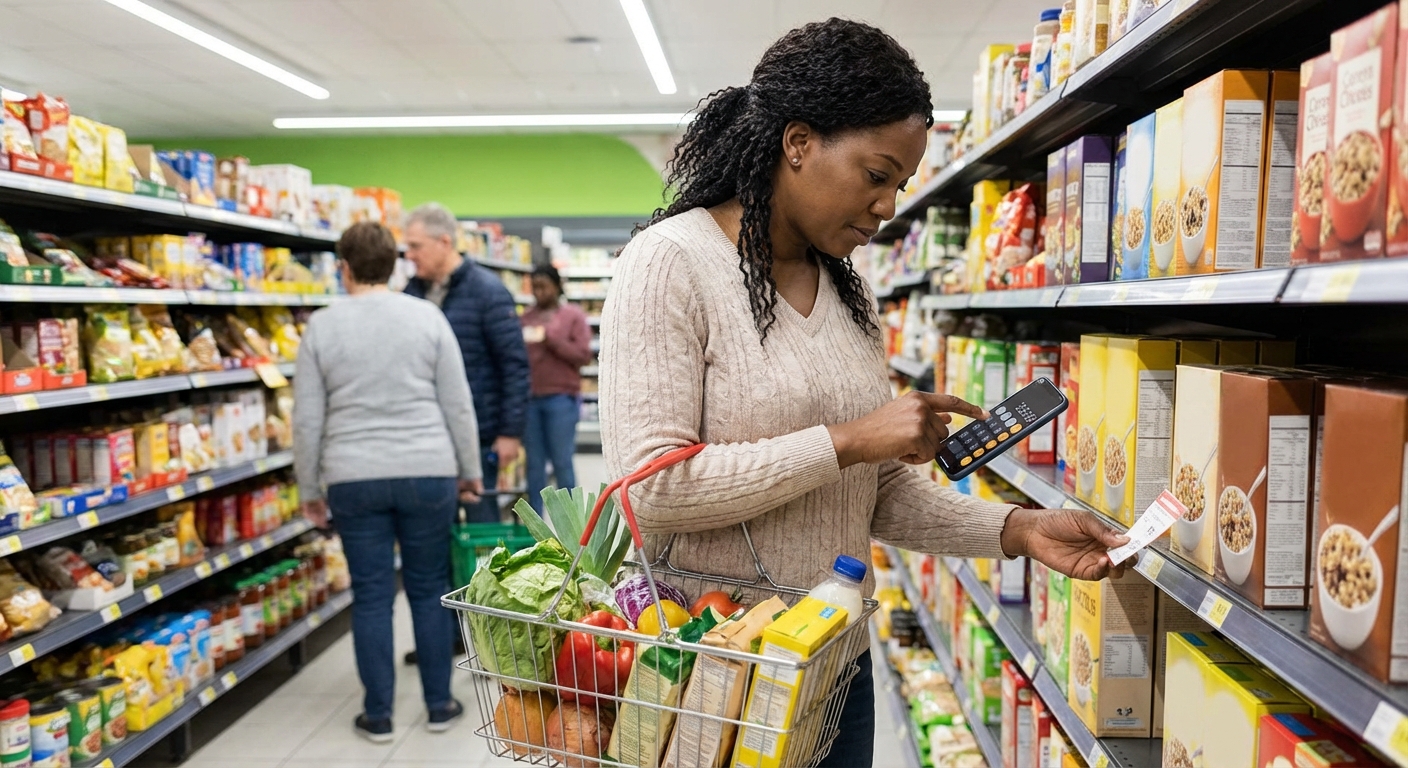
Below are 15 strategies that work in the real world. Pick two or three to start this week, then stack more as they become habits.
1) Build a default weekly meal plan
Decision fatigue is expensive. When you don’t know what’s for dinner, you buy random ingredients and end up ordering takeout.
Create 6 to 10 “default meals” your household likes (tacos, stir-fry, sheet pan chicken, pasta night, breakfast-for-dinner). Rotate them. This makes planning fast and keeps your cart predictable.
- Action step: Write down your top 8 dinners and keep them in your phone notes.
- Why it saves: Fewer impulse buys and fewer “we have nothing to eat” nights.
2) Shop your fridge and pantry first
This one feels obvious, but it’s the easiest money leak to miss. You buy a new bag of shredded cheese while another bag quietly expires behind the milk.
Do a two-minute scan:
- What proteins do I already have (chicken, ground turkey, beans)?
- What produce needs to be used soon?
- What “almost empty” staples should I finish (rice, pasta, tortillas)?
Action step: Plan 2 meals that use what you already have before adding new recipes.
3) Use a fresh, frozen, shelf rule
Food waste is money you don’t get back. A simple way to cut waste is to balance perishability.
- Fresh: salads, berries, herbs, fresh fish
- Frozen: vegetables, fruit, fish fillets, shrimp
- Shelf-stable: pasta, canned beans, sauce, rice, oats
If your week gets busy, frozen and shelf items still show up for you.
Action step: For your next shop, make sure at least 1 dinner uses mostly frozen items and 1 dinner uses mostly shelf-stable items.
4) Repeat breakfast and lunch
Dinner is where variety matters. Breakfast and lunch can be on autopilot.
When I was paying down debt, repeating meals was one of the quiet superpowers that helped me control spending without feeling deprived.
- Oatmeal with peanut butter and banana
- Greek yogurt with frozen berries
- Eggs and toast
- Turkey sandwich or a bean-and-rice bowl
Action step: Choose two breakfasts and two lunches to rotate this month.
5) Compare unit prices
The shelf tag usually shows a unit price (like per ounce). That’s the real number.
The bigger package isn’t always cheaper. Sometimes “family size” is just more money upfront. Unit pricing helps you buy the better deal without overbuying.
- Action step: Pick one category this week (coffee, cereal, yogurt) and only buy the best unit price.
6) Swap to store brands
Store brands have improved a lot. Some swaps are basically identical. Others aren’t worth it. The trick is to swap where you won’t notice.
- Usually safe to swap: canned beans, pasta, frozen vegetables, flour, sugar, oats, basic spices
- Test before committing: ketchup, cereal, coffee, chips, ice cream
Action step: Switch three staple items to store brand and see if anyone complains. If not, that’s recurring savings.
7) Cook once, eat twice
You don’t need five identical containers lined up in your fridge. Just double one component.
- Make extra taco meat and use it for quesadillas later
- Roast two sheet pans of veggies
- Cook a double batch of rice for stir-fry later in the week
This reduces the number of cooking nights, which reduces the number of “let’s just order” nights.
Action step: Pick one dinner this week and automatically double one thing (protein, rice, or roasted veggies).
8) Schedule a pantry night
Once a week, cook a meal using mostly what you already have. Pantry nights are the adult version of cleaning out your fridge, but in a good way.
Ideas:
- Pasta with whatever veggies and protein you have
- Egg scramble with leftover produce
- Bean chili using canned goods
- Soup with frozen vegetables and broth
Action step: Choose a day (Wednesday is popular) and label it “pantry night” on your calendar.
9) Shop the perimeter first
The perimeter has most of the fresh staples: produce, meat, dairy. The center aisles are where snacks and impulse buys tend to live.
I like to shop in two passes:
- Pass 1: perimeter essentials for your planned meals
- Pass 2: center aisle items that support those meals (rice, canned tomatoes, tortillas)
This keeps “fun extras” from taking over the cart.
Action step: Try one trip where you only allow yourself one center-aisle “extra,” and everything else has to match a planned meal.
10) Use grocery pickup
Walking the aisles is designed to tempt you into add-ons. Grocery pickup turns shopping into a checklist. Even if item prices are similar, your total often drops because you’re not tossing in “just one more thing.”
Quick caveat: some stores charge pickup fees, require minimums, or price a few items differently online, so check your store’s fine print.
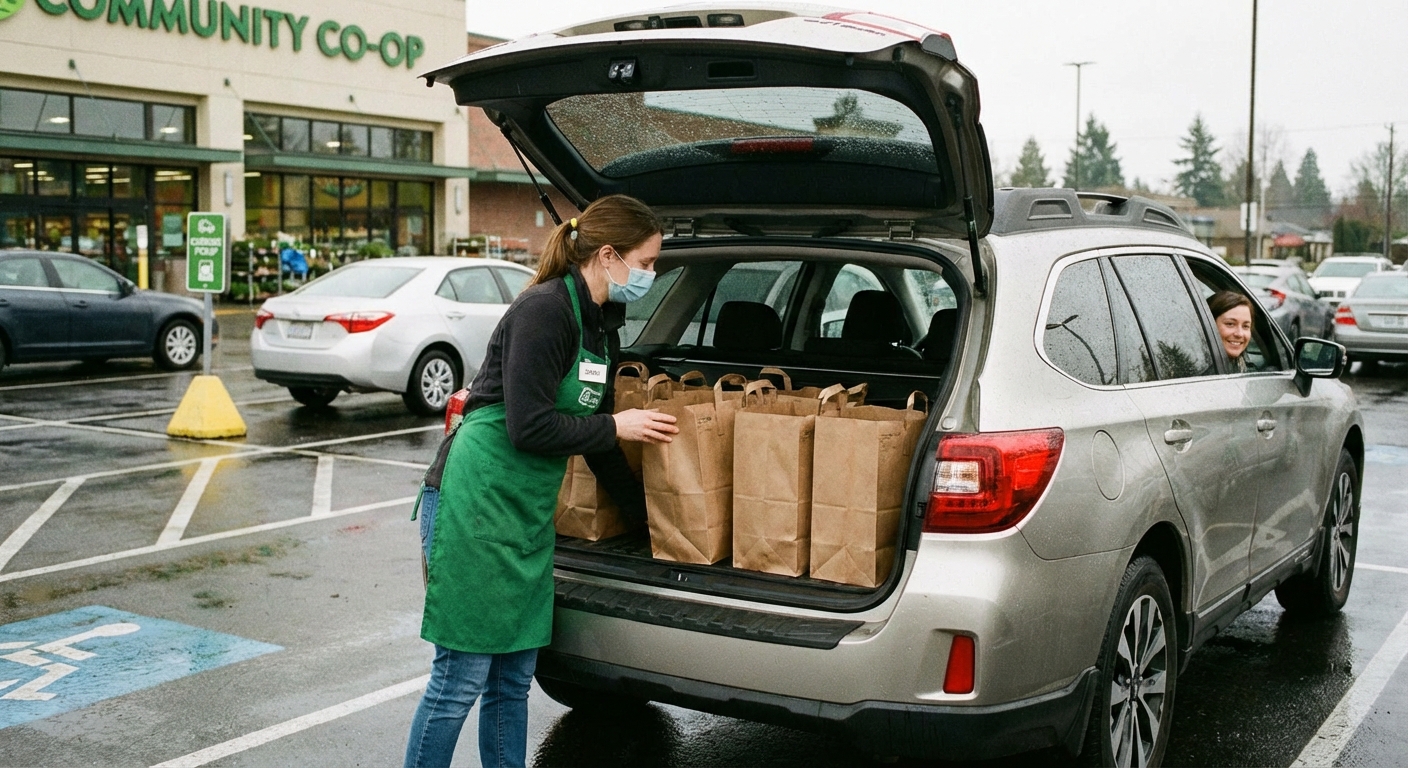
- Action step: Build your cart online, then wait 30 minutes before checking out.
11) Track 10 price anchors
Most people don’t need to memorize every price. You just need anchors for the stuff you buy constantly.
Pick 10 items and write down the price you consider a good deal in your area. Example format: “Eggs: $3.49 per dozen” or “Chicken: $2.49 per lb.”
- Eggs
- Milk
- Chicken
- Ground meat
- Rice
- Pasta
- Cereal
- Apples
- Onions
- Cheese
When something drops below your anchor, that’s when it’s worth stocking up a little.
Action step: Start with 5 anchors today, and add the other 5 over your next two shopping trips.
12) Buy produce with a rescue plan
Fresh produce is where good intentions go to die. Make a rescue plan when you buy it.
- Spinach: if it starts wilting, toss it into eggs or soup
- Bananas: if they brown, freeze for smoothies
- Soft berries: turn into yogurt topping or freeze
- Carrots and celery: chop and freeze for broth or chili
Action step: For each produce item, name one backup use that isn’t “salad.”
13) Plan one low-cost dinner
You don’t have to go full beans-and-rice forever, but one intentionally cheap dinner per week makes a noticeable dent over a month.
Examples:
- Chickpea curry over rice
- Breakfast-for-dinner
- Loaded baked potatoes
- Vegetable fried rice with eggs
- Black bean tacos
This also creates margin for the meals you care about most.
Action step: Put one low-cost dinner on your plan before you pick the “fun” meals, so it actually happens.
14) Stack cash-back apps
You can save real money with grocery cash-back apps without turning it into a second job. The key is to keep it simple and consistent.
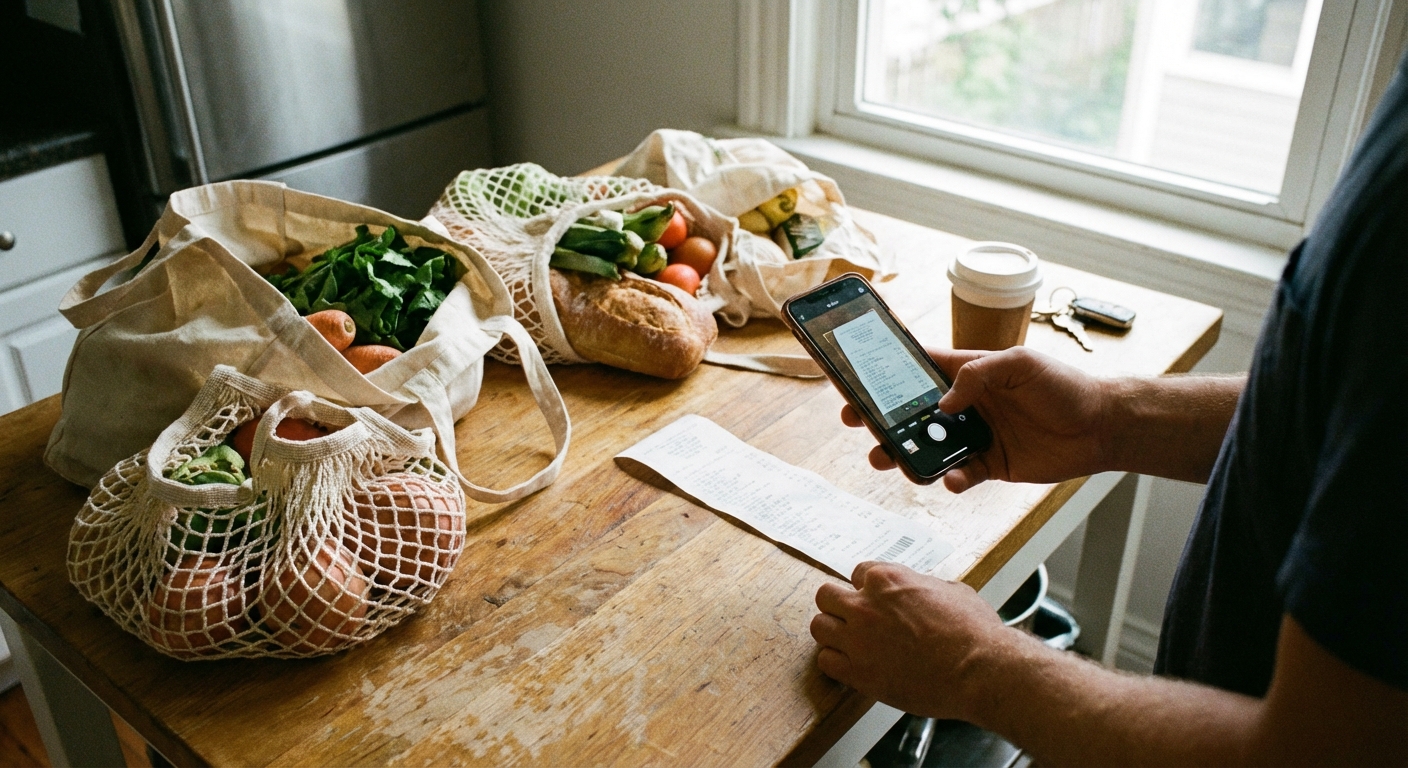
- Receipt-based: scan your receipt after each trip
- Offer-based: add offers before you shop for brands you already buy
- Store loyalty: clip digital deals in your grocery store app
Action step: Pick one receipt app and one store app. Use them for 30 days before adding anything else.
15) Set a snack budget
Snacks aren’t “bad.” But they’re easy to overspend on, and they often cost more per serving than your meal ingredients.
Instead of trying to ban snacks, give them a lane:
- Choose 2 to 3 snack items per week
- Buy larger sizes only when the unit price is clearly better and you’ll finish them
- Keep one quick option for busy days (granola bars, popcorn, fruit)
Action step: Put a line item in your grocery list called “snacks” with a dollar limit.
A simple weekly plan
If you want the lowest-effort way to start, here’s a routine that works for a lot of Smart Cent Guide readers:
- Friday: quick pantry scan + pick 4 dinners
- Saturday: make list by store section and add one pantry night
- Sunday: shop once and prep one thing (wash fruit, cook rice, or brown meat)
- Midweek: do a 10-minute “use it up” check to prevent waste
If your grocery spending feels out of control, don’t try all 15 tips at once. Start with meal planning plus one tactic that reduces waste. Those two moves alone often create the fastest wins.
Quick FAQ
How much can I realistically save?
Many households can trim 10% to 25% over a few months if impulse buys, food waste, or frequent takeout are currently driving the total. Consider that a general estimate, not a guarantee. Your results will depend on where you shop, how many people you feed, and your current habits.
Is it better to shop weekly or biweekly?
Weekly works better for most people because it reduces produce waste and keeps you from doing emergency trips (which tend to be expensive). If you go biweekly, lean more on frozen and shelf-stable foods.
Should I shop at multiple stores?
Only if it’s truly convenient. A second store run can erase savings through time, gas, and impulse purchases. A good compromise is one main store plus an occasional once-a-month stock-up trip.