
Bank fees are like tiny leaks in your financial boat. One here, one there, and suddenly you are wondering why your checking balance never seems to grow.
The good news: most “sneaky” fees are avoidable if you know the rules your bank is using to trigger them. Some fees are simply the cost of a specific service (like a wire or a cashier’s check), but you can still reduce how often you pay them and what they cost.
Quick note: Fee names, amounts, and policies vary by bank (and sometimes by state). When in doubt, look up your bank’s Schedule of Fees (often a PDF inside your app or website).
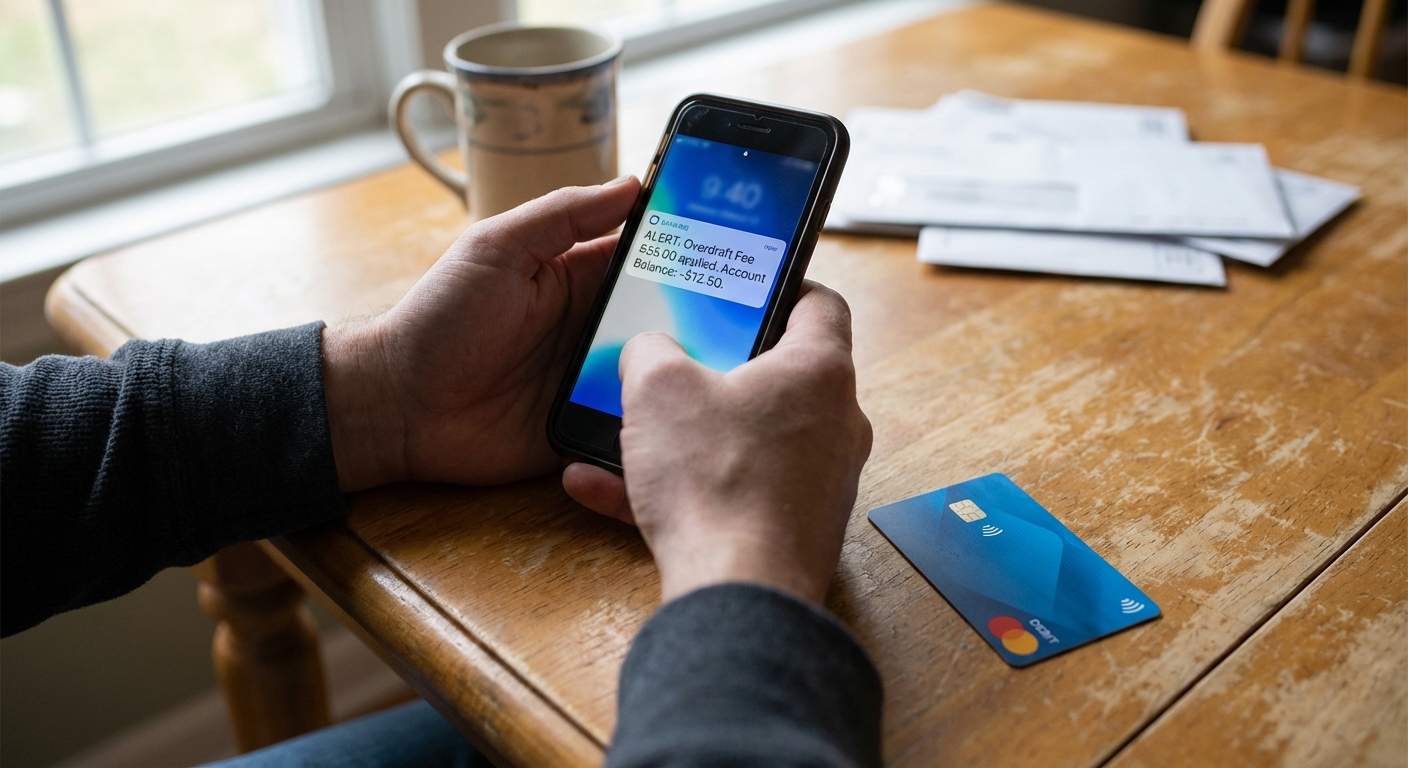
1) Monthly maintenance fees
This is the classic checking account fee that shows up when you do not meet certain requirements, like keeping a minimum balance or having a certain amount in direct deposits.
How it usually gets triggered
- Your balance dips below a minimum (example: $1,500).
- You do not have a qualifying direct deposit (example: $500+ per month).
- You do not meet a monthly activity requirement (example: 10 debit transactions).
Exactly how to avoid it
- Get the waiver rules in writing (or screenshot them in your app) so you know the exact thresholds.
- Switch to a no-fee checking account if your income or cash buffer is inconsistent. Many online banks and credit unions offer them.
- Set a “do not drop below” alert for the minimum balance amount so you get a warning before a fee hits.
2) Overdraft fees
Overdraft fees happen when a transaction goes through but you do not have enough money in your account. Banks may charge a flat fee per overdraft, and some also stack multiple fees in a single day (common range is roughly $30 to $40 per item, depending on the bank).
Exactly how to avoid it
- Turn off overdraft coverage for one-time debit card purchases and ATM withdrawals (this is often called “opt out”). If you are opted out, those transactions are typically declined instead of approved with a fee.
- Know what opt-out does not cover: checks, ACH transfers, and recurring payments can still overdraw your account depending on your bank’s policies and timing.
- Link overdraft protection to savings if your bank offers it. Some banks charge a per-transfer fee or limit transfers, so check the terms.
- Keep a small buffer (even $100) in checking that you do not touch. Treat it like a smoke detector, not spending money.
- Use low-balance alerts so you get a notification before you hit $0.
Smart Cent tip: If you get hit with an overdraft fee and it is not a frequent thing, call and ask for a one-time courtesy refund. Be polite, be brief, and ask directly.
3) Non-sufficient funds (NSF) fees
NSF fees typically happen when a payment is returned because there is not enough money, like a bounced check or a failed ACH payment. This is different from overdraft coverage, where the bank pays it anyway and then charges you.
Exactly how to avoid it
- Move due dates for bills to align with payday so your account is funded when drafts hit.
- Keep one bill-paying account and route autopay through it, so you are not guessing which account gets drafted.
- Turn on payment alerts where your bank notifies you when an ACH or check posts.
4) Out-of-network ATM fees
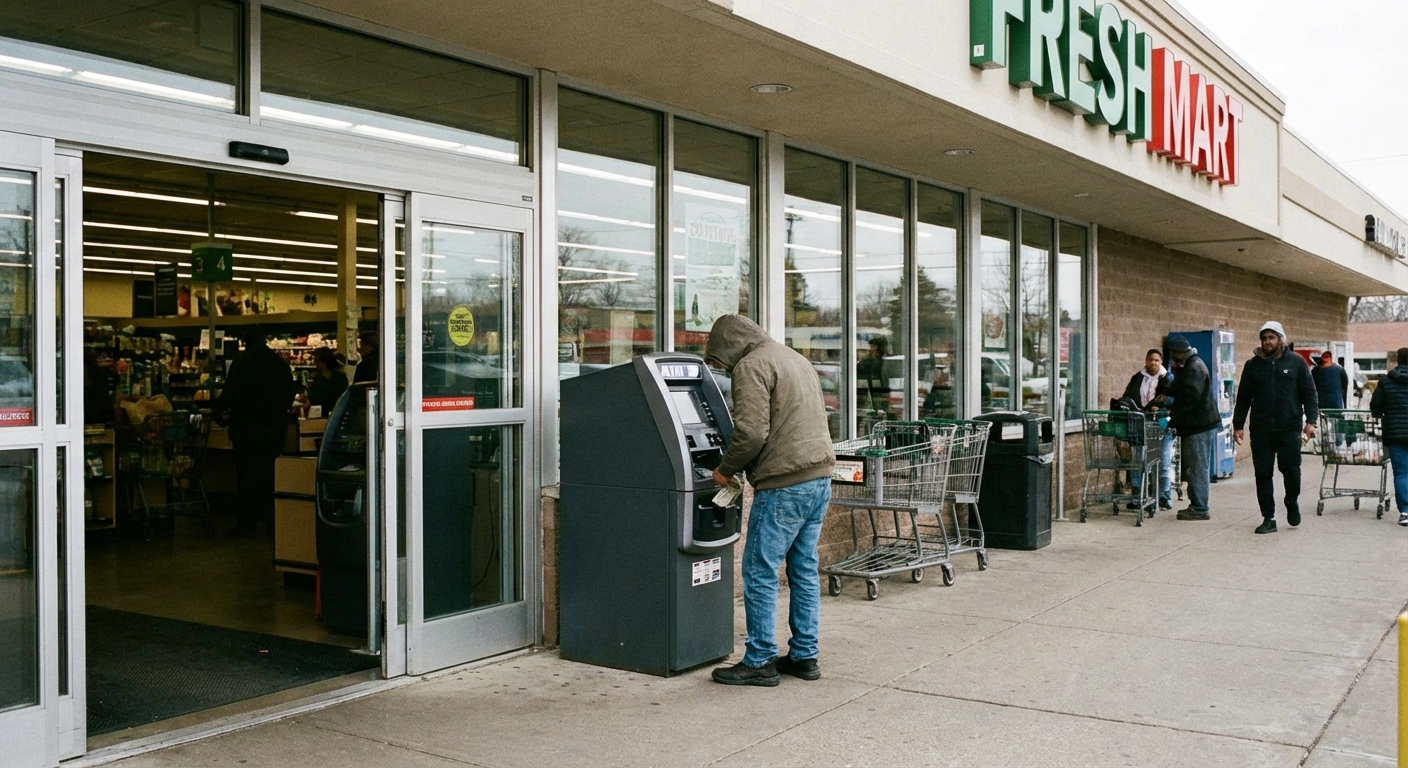
When you use an ATM outside your bank’s network, you can get charged twice: once by the ATM owner and once by your bank. A common pattern is a $2 to $5 operator fee plus your bank’s out-of-network fee.
Exactly how to avoid it
- Use your bank’s ATM locator in the app before you withdraw.
- Pick a bank that reimburses ATM fees if you withdraw cash often or travel frequently.
- Take cash back at the grocery store when it is free and you are already shopping.
- Withdraw less often by taking one larger withdrawal per month if you budget cash spending.
5) Paper statement fees
Some banks charge for mailed paper statements, especially for certain account types. It is a small fee that adds up for no real benefit for most people.
Exactly how to avoid it
- Go paperless in your account settings.
- Download PDFs monthly and save them to a folder (I do this for big life moments like moving or buying a car).
- If you need paper records, print statements at home or at a library rather than paying monthly forever.
6) Savings withdrawal fees
Some banks charge fees if you make too many withdrawals or transfers from savings in a month. Rules vary by bank. Regulation D’s old six-transfer limit was suspended in 2020, but many banks still set their own limits and fees.
Exactly how to avoid it
- Use checking for frequent spending and keep savings for less frequent transfers.
- Batch your transfers (example: one transfer per week instead of daily mini transfers).
- Open a separate “spending buffer” checking if you are constantly moving money back and forth.
- Look up your bank’s monthly limit and set a mid-month reminder to review activity.
7) Wire transfer fees
Wires can be expensive, especially outgoing domestic wires and international wires. With some international wires, intermediary bank fees can reduce what the recipient receives, depending on the wire type and fee option.
Exactly how to avoid it
- Use ACH or bill pay when timing is not urgent. ACH is often free.
- For large purchases (like real estate), ask if a cashier’s check is acceptable and compare fees.
- Before sending international money, compare your bank’s wire cost to reputable money transfer services and check the total delivered amount.
8) Foreign transaction fees
If you use your debit card abroad or with an overseas merchant, your bank may tack on a foreign transaction fee. Some banks also add a separate international ATM fee on top of out-of-network charges.
Exactly how to avoid it
- Use a credit card with no foreign transaction fees for travel purchases when possible (and pay it off like a debit card).
- Consider a checking account that waives foreign transaction fees if you travel regularly.
- Decline dynamic currency conversion when a terminal asks if you want to pay in USD. Paying in local currency is often cheaper.

9) Dormant account fees
Some banks charge a fee if you do not use an account for a long time. This often hits old checking accounts, small savings accounts, or accounts you opened for a promo and forgot about. In some cases, long inactivity can also lead to escheatment, where funds are turned over to the state as unclaimed property (timelines vary by state).
Exactly how to avoid it
- Close unused accounts once you are sure you do not need them.
- Set one tiny recurring transaction (like a $5 monthly transfer) if you want to keep the account open, then confirm it counts as activity.
- Consolidate accounts so you are not managing six mini balances that are easy to forget.
10) Cashier’s check fees
Need an official form of payment for a landlord, a DMV, or a big purchase? Banks may charge for cashier’s checks or money orders, even if you are a long-time customer.
Exactly how to avoid it
- Ask if your account includes free official checks. Some credit unions and premium checking tiers waive them.
- Compare alternatives the recipient accepts, like ACH bill pay, Zelle, or other bank-to-bank transfers (acceptance varies).
- If you need a cashier’s check rarely, it can still be worth paying once. The key is to avoid making it a repeated habit due to poor planning.
Other fees to watch
Depending on your bank and how you use your account, you might also run into:
- Stop-payment fees (when you ask the bank to block a check or ACH payment).
- Returned deposit fees (if a deposited check bounces).
- Card replacement or rush card fees.
- Early account closure fees (sometimes tied to promos or new accounts closed quickly).
- Convenience fees for paying certain bills with a card.
This is why the Schedule of Fees is your best friend. Banks use different names for the same charge.
A 5-minute fee audit
If you want the fastest win, do this quick audit right now. This is the exact kind of boring little task that saves real money.
- Open your bank app and scan the last 60 days for any line item with “fee” in it.
- List each fee and what triggered it (overdraft, ATM, maintenance, etc.).
- Open your Schedule of Fees and your account requirements for minimum balance and direct deposit rules.
- Turn on alerts: low balance, large transaction, and daily balance if you want extra visibility.
- Schedule one fix for the biggest fee you are paying. Not ten fixes, just one.
Most bank fees are not a money problem. They are a systems problem. Once your account is set up with the right alerts and the right account type, you stop bleeding cash.
How to ask for a refund
Refunds are never guaranteed, but many banks will reverse a fee as a courtesy if you have a solid history and it is not a repeat issue. Keep it simple:
- Be specific: “I was charged a $35 overdraft fee on Tuesday.”
- Own the situation: “I made a mistake and I have corrected it.”
- Ask directly: “Can you waive this as a one-time courtesy?”
- Follow up: “What setting or account change would prevent this next time?”
If they say no, you can still ask if changing account types would eliminate the fee going forward. Sometimes the best “refund” is making sure it never happens again.

The bottom line
You do not need to become a finance nerd to stop paying bank fees. You just need two things: the right account setup and a couple of guardrails like alerts and a small buffer.
If you want, tell me which fees you are seeing and what bank account type you have. I can help you figure out the most likely trigger and the cleanest fix.