
If your utility bills have been giving you that tight-chest feeling lately, you're not alone. When I was digging out of debt, I treated every recurring bill like a tiny leak in my budget. Fix enough leaks and suddenly you can breathe again.
The good news is you don't need solar panels or a full remodel to see real savings. The fastest wins come from small home adjustments that cut wasted electricity, water, and heating or cooling. Pick two or three to do this weekend, then stack the rest over the next month.
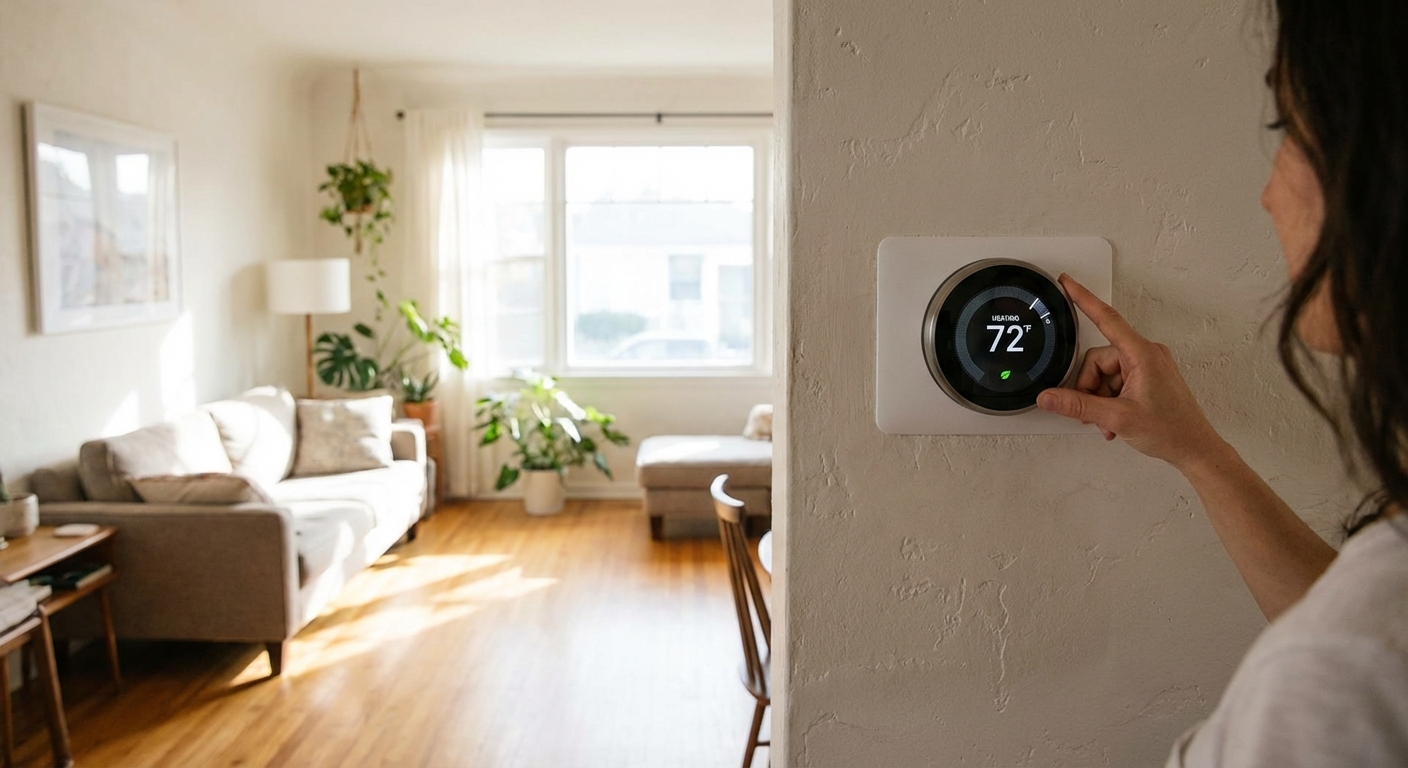
1) Adjust your thermostat a few degrees
Heating and cooling are often the biggest slice of the utility pie. The simplest adjustment is also the most boring, and it works: nudge the thermostat instead of fighting the seasons.
- In winter: set it a little lower when you're asleep or out of the house.
- In summer: set it a little higher when you're asleep or away.
- Make it automatic: if you have a programmable thermostat, set a schedule once and let it run.
Even a small change can add up over a month because you're reducing how long your system runs. If you like a benchmark, many energy-saving guides point to tweaks around 1 to 3 degrees as a reasonable place to start, then adjust for comfort.
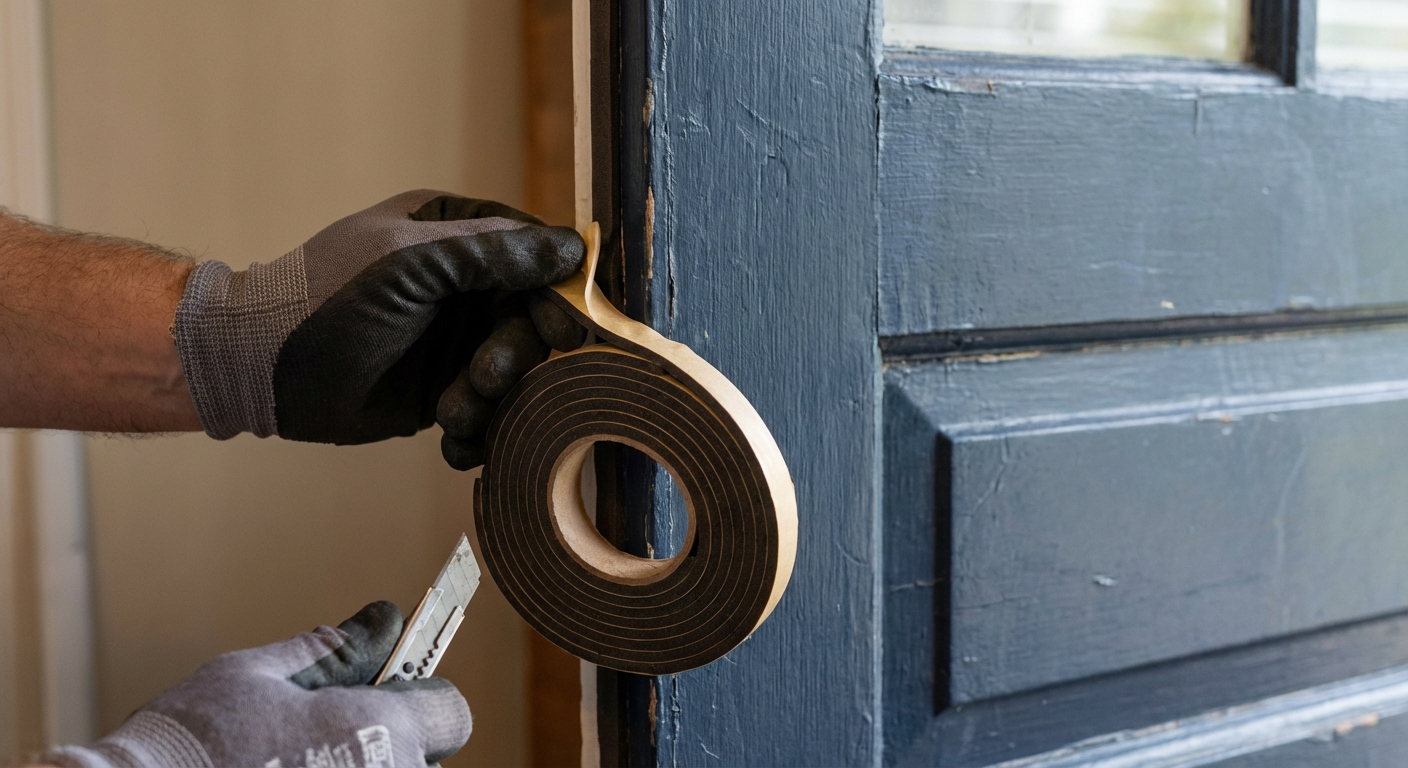
2) Seal air leaks at doors and windows
If your home is drafty, you're paying to heat or cool the outdoors. A basic weatherstripping kit and a door sweep can be one of the highest-payoff fixes you can do.
- Check exterior doors first, especially the gap at the bottom.
- Look for visible light around door frames and window edges.
- Try the dollar bill test: close the door on a bill. If it slides out easily, that spot likely needs weatherstripping.
- Use removable caulk for seasonal sealing if you're renting and need a reversible option.
3) Switch to LEDs in high-use spots
LEDs use significantly less electricity than older incandescent bulbs and they last much longer. You don't have to replace every bulb today. Start with the lights that are on the most.
- Kitchen ceiling lights
- Living room lamps
- Porch light that runs nightly
- Bathroom vanity lights
If you have a fixture you keep on for hours, that's your first target.
4) Cut standby power with a smart strip
A lot of electronics sip electricity even when they look “off.” Think TVs, game consoles, set-top boxes, soundbars, and computer setups. A smart power strip makes it easy to cut power to the extras when the main device turns off.
- Best spots: entertainment center and home office.
- Quick win: put groups of devices on a switchable strip so they aren't drawing power all day. (Some modern chargers use very little when not actively charging, so focus on the bigger offenders first.)
This is one of those set-it-and-forget-it adjustments that can keep paying you back.
5) Lower your water heater temperature
Many water heaters are set hotter than most households need. Lowering the set point reduces the energy used to maintain that temperature all day.
- If your water is uncomfortably hot at the tap, that's a clue it may be set higher than necessary.
- Make small adjustments and test for comfort over a day or two.
- Many homes do well around 120°F (49°C) for a balance of comfort, energy savings, and scald prevention, but check local guidance and your household needs.
- If you're unsure, check your heater manual or ask your utility provider for guidance. If someone in your home is immunocompromised, or you've been advised to keep it hotter for health reasons, follow that guidance.
Bonus: slightly cooler water can reduce the risk of accidental scalding, especially in homes with kids.
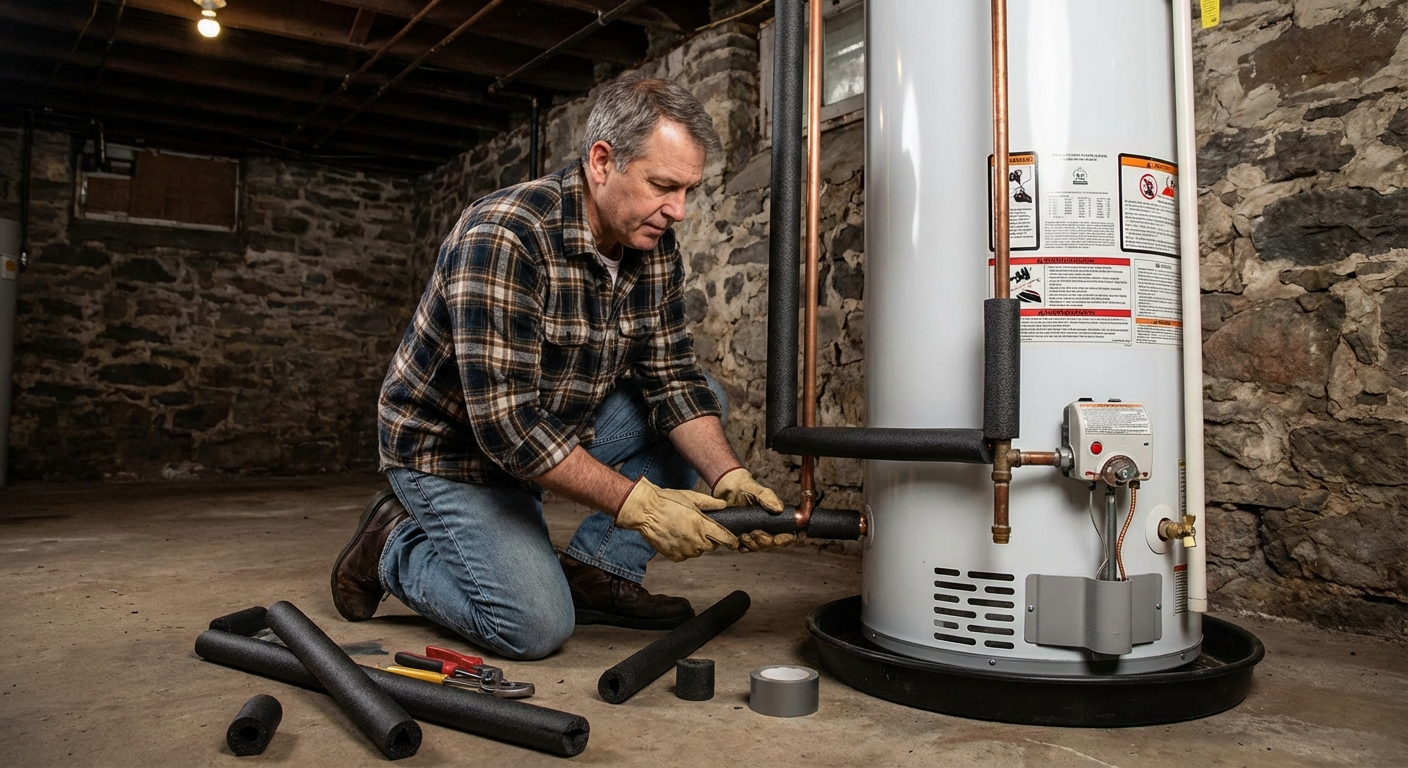
6) Insulate pipes and the water heater
This isn't a glamorous Saturday project, but it's a strong one. Insulating hot water pipes (especially the first few feet coming off the heater) helps water stay warmer on the way to your shower or sink, so you waste less heat.
- Foam pipe insulation is inexpensive and usually installs in minutes.
- A water heater blanket can help in some situations, especially for older tanks in cool, unconditioned spaces.
- Safety note: follow the manufacturer instructions and make sure it's compatible with your unit. Blankets aren't appropriate for some gas water heaters if they block airflow, vents, or controls.
7) Reduce shower and faucet flow
Low-flow showerheads and faucet aerators are classic utility savers because they reduce water use and the energy needed to heat that water.
- Showerheads: look for efficient models designed to maintain strong pressure.
- Aerators: a simple screw-on part for kitchen and bathroom faucets.
- Renters: keep the old parts and swap them back when you move.
If your household takes daily showers, this one can show up on both your water and gas or electric bill.
8) Run appliances efficiently
Small behavior tweaks can rival “product upgrades” when it comes to savings.
- Laundry: wash with cold water when possible and run full loads.
- Dryer: clean the lint trap every time and consider wool dryer balls to shorten dry time.
- Dishwasher: run full loads and skip the heated dry setting if your model allows it.
This is my favorite kind of frugal because it doesn't require buying anything new.
9) Replace HVAC filters on a schedule
A clogged air filter makes your HVAC system work harder than it should. That can mean higher energy use and more wear on the system.
- Check your filter monthly the first few months so you learn how fast it gets dirty in your home.
- Set a calendar reminder to replace it on a realistic cadence.
- If you have pets, construction nearby, or allergies, you may need to replace it more often.
- Tip: use the filter type and rating your system supports. Some very high-MERV filters can restrict airflow on certain systems.
This is a small maintenance habit that protects your comfort and your wallet.
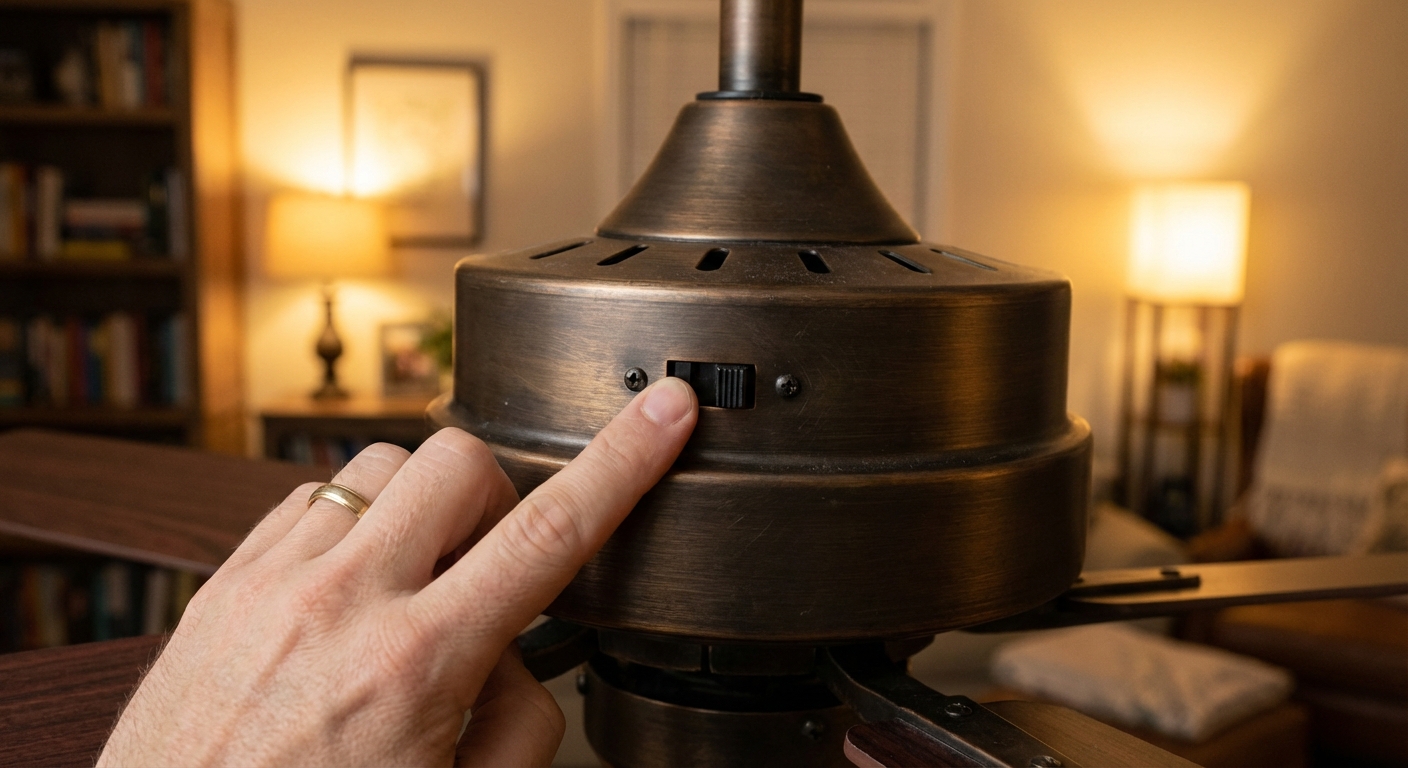
10) Use ceiling fans correctly
Ceiling fans don't change the temperature, but they change how it feels. That lets you rely less on heating and cooling.
- Summer: fans should push air downward for a wind-chill effect.
- Winter: reverse the direction so it gently circulates warm air without a breeze.
- Big rule: turn fans off when you leave the room, since they cool people, not spaces.
- Note: not all fans have a reverse switch, and some are labeled differently. If you're not sure, check the manual.
Quick weekend plan
If you want the fastest payoff without overthinking it, here's a simple order I recommend:
- Swap the highest-use bulbs to LEDs.
- Weatherstrip the leakiest exterior door.
- Install a low-flow showerhead or faucet aerators.
- Set a thermostat schedule.
- Replace your HVAC filter.
Then, when your next utility bill arrives, compare it to the same month last year if you can. Utilities are seasonal, so that year-over-year comparison is the cleanest way to see whether your adjustments are working.
Smart spending isn't about living in the dark or taking miserable showers. It's about keeping the comfort you love and cutting the waste you don't even notice.
If you want to go further
If you've already handled the basics above, these extra tweaks can help too:
- Check for silent water leaks: a running toilet or a slow drip can quietly jack up your bill. If your water provider shows hourly or daily usage, look for steady use when nobody's home.
- Help your fridge run easier: keep door seals clean, don't block vents inside, and vacuum dusty coils if you can access them safely.
- Use curtains and vents wisely: close blinds on hot afternoons, open them for winter sun, and keep supply and return vents clear.
- Look for rebates and rate plans: many utilities offer discounts on LEDs, smart thermostats, and efficient showerheads. It's also worth checking whether time-of-use rates, budget billing, or a free home energy audit could lower your costs.
Common questions
Which adjustment saves the most?
For many households, the biggest wins come from heating and cooling: thermostat tweaks, sealing drafts, and regular HVAC filter changes. If your water heater is doing a lot of work, low-flow fixtures and a smarter water heater temperature can also be major.
What if I rent?
You can still do a lot: LED bulbs, smart power strips, faucet aerators, a low-flow showerhead, draft stoppers, and removable weatherstripping. Just keep the original parts and put them back when you move out.
How do I know what's driving my bill?
Most utility companies let you view usage by day or month online. Look for spikes, then match them to weather changes, guests visiting, or appliances running more often. If your provider offers a free home energy audit, take it. It's basically a shortcut to the biggest leaks in your home.
Quick safety note: if you're adjusting gas appliances or anything you're unsure about, follow the manufacturer guidance and call a pro when in doubt.